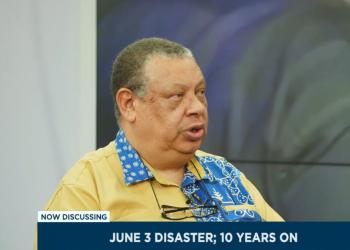

Environmental scientist Professor Chris Gordon has issued a stark warning, predicting that 2024 will be hotter than preceding years as temperatures continue their upward trend in Ghana.
Highlighting the concerning trend of escalating temperatures both globally and nationally, Prof. Gordon expressed his apprehension on the impact these temperatures would have on Ghanaians, particularly in light of the ongoing power outages plaguing Ghanaian communities.
During an interview on the Citi Breakfast Show on Monday, April 8, 2024, Professor Gordon underscored the profound impact of rising temperatures on the populace.
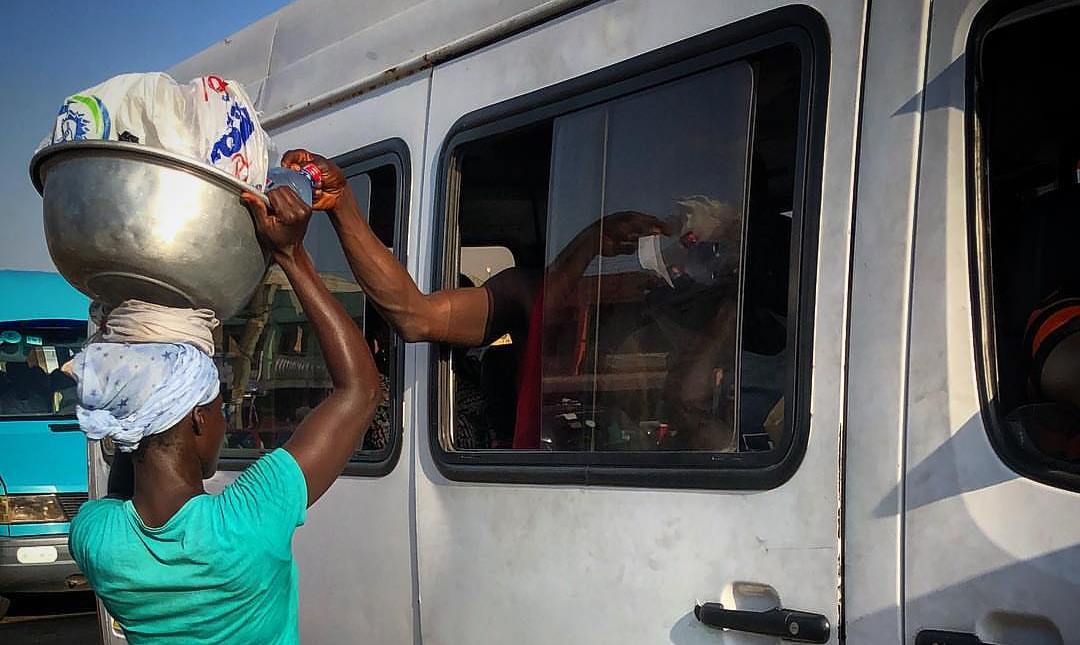
He cited a notable instance in January 2021 when Accra recorded a scorching temperature of 39.5 degrees Celsius, significantly surpassing the typical average for Accra. Such spikes in temperature present a grave concern, especially for residents of informal settlements grappling with substandard housing and inadequate ventilation.
Professor Gordon stressed the urgent imperative for real action to confront the mounting challenges of climate change.
He pointed out issues in building infrastructure, noting insufficient spacing between structures, poor orientation, inappropriate design and a lack of proper ventilation, rendering them ill-equipped to withstand climatic pressures.
Moreover, Professor Gordon highlighted the glaring disparity between different tiers of housing, with occupants of air-conditioned residences encountering fewer adversities than those inhabiting informal lower-income settlements.
He indicated that the temperature for 2024 is expected to rise because that has been the trend in previous years.
“Well, unfortunately, 2024 is going to be hotter than 2023. That is the trend globally and nationally.
“Every year is hotter than the previous year on average. I should point out that I just checked the record. In January 2021, Accra had a temperature of 39.5 degrees Centigrade, which is almost 5 to 7 degrees higher than normal – and it is those spikes which are the problem, especially on the daily water requirements.”
“Yes, we have made a mess, and we need to fix that mess as soon as possible. I was listening to the Citi News programme before your call. All the points made today by your people in the studio, the people who have phoned in and the messages that have been read out are all valid. The way we design our buildings, we just decimate the space in between buildings. Back in the day, we are supposed to leave 10 feet between your fence wall and the building. ”
“Now people are building one foot away from the fence wall. We have problems with glass structures that become ovens when there is no power. Everything that would make our buildings climate-resilient, we are not doing. This is something that we at my institute, the Institute for Environment and Sanitation Studies, started to consider about five, or six years ago, and we have developed two projects currently, looking at urban heat and health. The first is Heat Adaptation Benefits for Vulnerable Groups in Africa (HABVIA) and the second is Cascading Climate and Health Risks in African Cities (CASCADE) with the University of Cape Town partners in both projects.”
Prof Gordon concluded with the admonition that every little thing we can do, from planting a few trees in our compounds to conserving energy use at home will help in the global fight to minimise the impacts of Climate Change.
Explore the world of impactful news with CitiNewsroom on WhatsApp!
Click on the link to join the Citi Newsroom channel for curated, meaningful stories tailored just for YOU: https://whatsapp.com/channel/0029VaCYzPRAYlUPudDDe53x
No spams, just the stories that truly matter! #StayInformed #CitiNewsroom #CNRDigital