




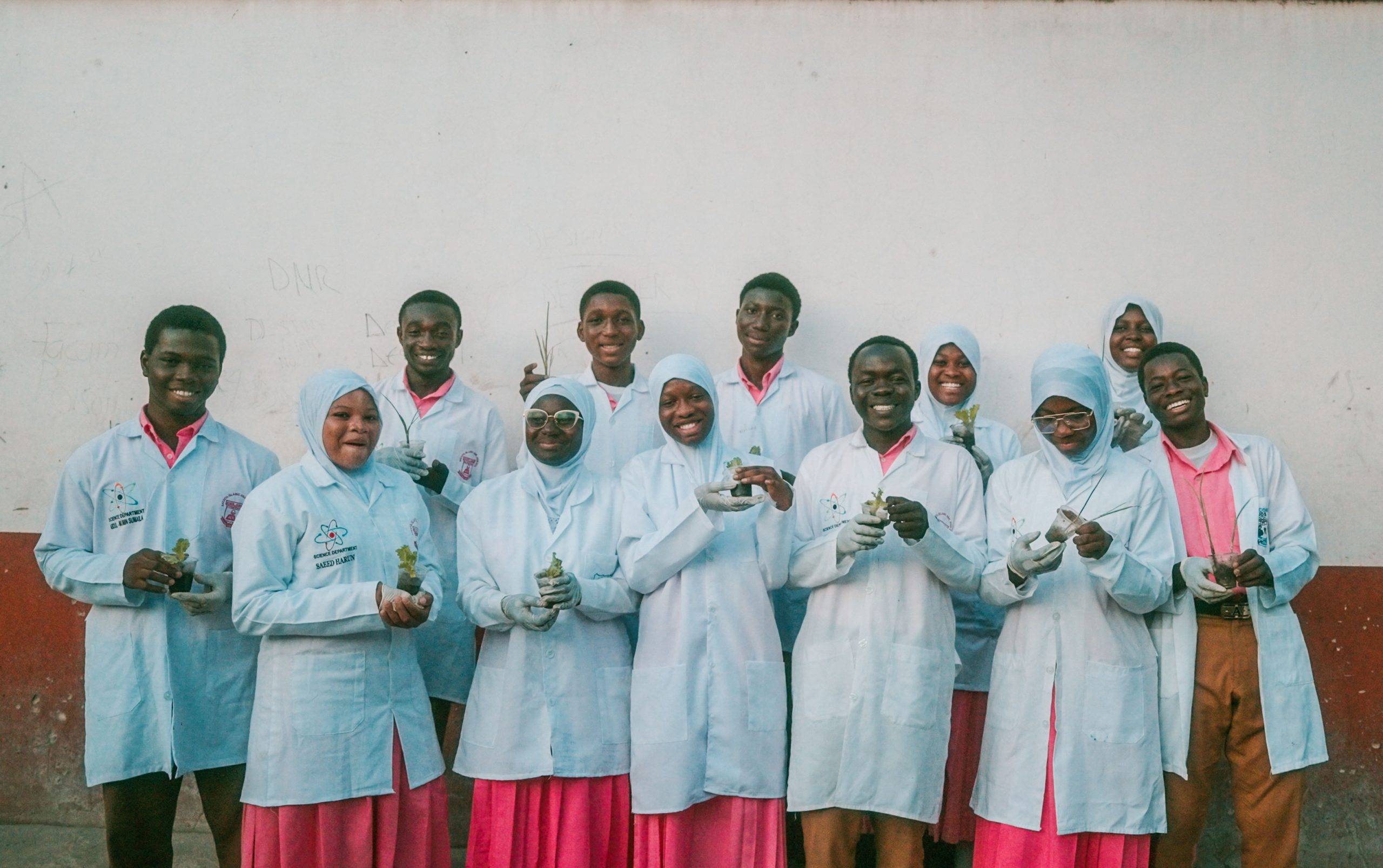
Sakafia Islamic Senior High School has made Ghana proud by clinching the prestigious 2025 Zayed Sustainability Prize in the Global High Schools – Sub-Saharan Africa category.
The school’s innovative project, “Aquaponic Farming for All,” impressed judges with its sustainable approach to combating food insecurity while educating and empowering students and the wider community.
At the heart of Sakafia’s award-winning initiative is a self-sustaining aquaponics system that simultaneously cultivates fish and vegetables using a water-based method, eliminating the need for soil.
“Our project grows fish and vegetables together using water instead of soil. It helps fight hunger by giving people fresh, healthy food all year,” explained the student team.
The project merges aquaculture and hydroponics into a closed-loop ecosystem.

Fish live in tanks, and their waste enriches the water with nutrients. This nutrient-rich water is then used to grow plants, which in turn clean the water before it is cycled back to the fish tanks.
The method is environmentally friendly, conserves water, and delivers consistent food production — a valuable asset in regions vulnerable to climate change and resource scarcity.
Sakafia Islamic SHS’ journey to success was not without challenges. Initially, the student-led idea struggled to gain traction.
“Students came up with the idea to help their community grow food in a better way. At first, we didn’t get much support, but some teachers helped, and we found people outside the school to support us,” the team shared.
Looking ahead, the winning team has ambitious plans to expand the project’s reach and impact.
“We want to grow more food, add solar power, and create a small learning center for farming and sustainability,” said the team.
Sakafia’s aquaponics initiative is already having a tangible effect on the local community. It provides fresh produce, educates students in practical agriculture, and promotes environmentally responsible farming.
The project also aligns with several United Nations Sustainable Development Goals, including Zero Hunger (SDG 2), Quality Education (SDG 4), Clean Water and Sanitation (SDG 6), and Climate Action (SDG 13).
In the classroom, the project is integrated into science and agriculture lessons, giving students firsthand experience in sustainable farming.
Beyond the school grounds, Sakafia Islamic is engaging the wider community by offering training sessions and public demonstrations of aquaponics farming.
The students hope their success story will serve as a blueprint for other schools and communities in Ghana and across Africa.
The school is already exploring partnerships with NGOs, tech firms, and other educational institutions to enhance the project’s capacity and outreach.
“We are speaking to NGOs, tech companies, and schools to get support, training, and new ideas,” the team shared.
Explore the world of impactful news with CitiNewsroom on WhatsApp!
Click on the link to join the Citi Newsroom channel for curated, meaningful stories tailored just for YOU:
https://whatsapp.com/channel/0029VaCYzPRAYlUPudDDe53x
No spam, just the stories that truly matter! #StayInformed #CitiNewsroom #CNRDigital










