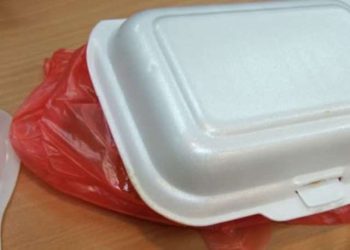




Styrofoam, a brand name for expanded polystyrene (EPS), has long been a popular choice for food packaging due to its lightweight, insulating properties, and low cost. However, the widespread use of Styrofoam for food and food ingredients comes with significant health risks and environmental consequences that are often overlooked.
In Ghana, the debate over the use and potential ban of Styrofoam packaging has intensified, with manufacturers calling for proper consultations before any outright ban is implemented. This article explores the potential dangers of Styrofoam packaging to both human health and the planet, while also addressing the perspectives of manufacturers in the Ghanaian context and the potential impact on the health bill of the state.
Health Risks of Styrofoam Packaging
Chemical Leaching:
One of the primary health concerns associated with Styrofoam is the leaching of harmful chemicals into food, especially when exposed to heat. Styrofoam contains styrene, a chemical classified as a possible human carcinogen by the International Agency for Research on Cancer (IARC). When hot or acidic foods are placed in Styrofoam containers, styrene can migrate into the food, potentially increasing the risk of cancer, neurological issues, and hormonal disruptions over time.
Endocrine Disruption:
Styrofoam also contains other additives, such as benzene and ethylene, which are known endocrine disruptors. These chemicals can interfere with the body’s hormonal systems, potentially leading to developmental, reproductive, and immune system disorders.
Microplastic Ingestion:
Over time, Styrofoam can break down into tiny particles known as microplastics. These particles can contaminate food and beverages, posing a risk of ingestion. The long-term health effects of microplastic consumption are still under investigation, but early studies suggest they may contribute to inflammation, oxidative stress, and other health issues.
Environmental Impacts of Styrofoam Packaging
Non-Biodegradability:
Styrofoam is not biodegradable, meaning it can persist in the environment for hundreds of years. Unlike organic materials, it does not break down naturally, leading to long-term pollution.
Marine and Wildlife Hazards:
Styrofoam waste often ends up in oceans and waterways, where it poses a significant threat to marine life. Animals such as turtles, fish, and seabirds can mistake Styrofoam pieces for food, leading to ingestion, choking, and even death. Additionally, the chemicals in Styrofoam can leach into water, contaminating ecosystems and harming aquatic organisms.
Resource-Intensive Production:
The production of Styrofoam is energy-intensive and relies on non-renewable fossil fuels, contributing to greenhouse gas emissions and climate change. The manufacturing process also releases harmful pollutants into the air, further exacerbating environmental degradation.
Recycling Challenges:
While Styrofoam is technically recyclable, the process is complex and costly. Many recycling facilities do not accept Styrofoam due to its low density and the difficulty of processing it efficiently. As a result, a significant portion of Styrofoam waste ends up in landfills or as litter, compounding its environmental impact.
The Debate Over a Ban on Styrofoam Packaging in Ghana
In recent years, there has been growing advocacy for a ban on Styrofoam packaging in Ghana due to its detrimental health and environmental effects. Environmentalists and public health advocates argue that such a ban would reduce pollution, protect wildlife, and safeguard public health. However, manufacturers of Styrofoam products have raised concerns about the potential economic impact of an outright ban, particularly on small businesses and the packaging industry.
Manufacturers argue that a ban without proper consultations and a phased implementation could lead to job losses, increased costs for businesses, and disruptions in the supply chain. They emphasize the need for a collaborative approach that includes stakeholders from the packaging industry, government, and environmental organizations to develop sustainable alternatives and ensure a smooth transition.
Potential Impact on the Health Bill of the State
The health risks associated with Styrofoam packaging have significant implications for the health bill of the state. The leaching of harmful chemicals such as styrene and benzene into food can lead to a range of health issues, including cancer, endocrine disorders, and neurological problems. These health conditions often require long-term medical treatment, placing a substantial financial burden on the healthcare system.
Increased Healthcare Costs:
The treatment of chronic illnesses linked to chemical exposure from Styrofoam can lead to increased healthcare costs. Hospitals and clinics may see a rise in patients requiring specialized care, which can strain healthcare resources and increase the overall health bill.
Public Health Campaigns:
Addressing the health risks associated with Styrofoam may necessitate public health campaigns to educate the population about the dangers of using Styrofoam for food packaging. These campaigns require funding and resources, adding to the financial burden on the state.
Environmental Health Costs:
The environmental impact of Styrofoam, such as pollution and harm to marine life, also has indirect health implications. Contaminated water sources and ecosystems can lead to public health issues, requiring additional investments in environmental cleanup and health interventions.
Alternatives to Styrofoam Packaging
Given the health and environmental risks associated with Styrofoam, it is crucial to explore and adopt safer, more sustainable alternatives. Some viable options include:
Biodegradable Packaging: Materials such as plant-based plastics, molded fiber, and compostable containers offer eco-friendly alternatives that break down naturally without harming the environment.
Reusable Containers: Encouraging the use of reusable food containers made from glass, stainless steel, or other durable materials can significantly reduce waste.
Paper-Based Packaging: Paper and cardboard are renewable, recyclable, and biodegradable, making them a more sustainable choice for food packaging.
Conclusion
The convenience of Styrofoam packaging comes at a steep cost to both human health and the environment. From chemical leaching and microplastic ingestion to long-term pollution and wildlife hazards, the negative impacts of Styrofoam are far-reaching. In Ghana, the debate over its ban highlights the need for a balanced approach that considers both the environmental and economic implications. While manufacturers call for proper consultations and a phased transition, the shift towards safer, more sustainable packaging solutions is essential. By fostering collaboration among stakeholders and promoting eco-friendly alternatives, Ghana can protect public health, preserve its natural environment, and support sustainable economic growth. Additionally, addressing the health risks associated with Styrofoam can help reduce the potential impact on the health bill of the state, ensuring a healthier future for all citizens