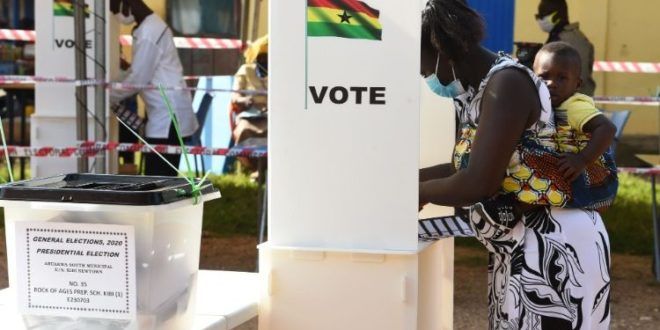
In Ghana, the rhythm of politics has become all too familiar. Every election season, the country bursts into life. Politicians promise change, development, and a brighter future. We cheer them on, celebrating their vision as if it holds the key to unlocking Ghana’s potential.
Campaign rallies fill stadiums, social media campaigns trend for weeks, and slogans like “Change is Coming” or “Better Ghana” dominate the national conversation.
During campaigns, citizens are often promised that corruption will be rooted out and embezzlers from previous administrations will be investigated and prosecuted. These pledges excite voters and become central to political campaigns.
Yet, history shows that once these leaders assume power, concrete action is rarely taken. Promises of accountability fade, investigations stall, and in some cases, the new leaders cover up past misdeeds. This betrayal is more than political; it is a complete insult to citizens who believed in the commitment to justice and transparency.
Take, for example, the excitement during the 2016 and 2020 elections. Citizens rallied behind manifestos promising industrialisation, improved roads, healthcare expansion, job creation, and a crackdown on corruption.
We celebrated new leaders with hope that Ghana would finally overcome systemic challenges. But soon after the ballots are counted, the pattern repeats. Projects stall, promises fade, and leaders we once praised are criticised for failing to deliver.
Meanwhile, corruption often continues unchecked, and citizens’ faith in the system is further eroded.
The deeper issue is not only the politicians but also us, the citizens. Our minds have been conditioned to accept this cycle. We focus on personalities, not policies. We celebrate charisma rather than competence. We cheer slogans but rarely follow up on accountability.
Real development requires more than hope; it requires sustained pressure, civic engagement, and the willingness to demand results.
Consider grassroots movements like the Fix the Country protests. Citizens finally voiced frustration over corruption, mismanagement, and poor service delivery. The movement demonstrated that Ghanaians could hold leaders accountable when mobilised, but such engagement is still largely reactive, not proactive.
Too often, participation is limited to election season, and citizens retreat into passive acceptance once campaigns end.
In effect, politicians and citizens share responsibility for Ghana’s slow development. If we want a Ghana that truly progresses, we must look beyond political theatre and start building institutions, systems, and a culture of accountability that survives beyond elections.
Leadership alone cannot drive progress; citizens must demand transparency, follow through on civic duties, and participate continuously in governance. Development is not a one-off act; it is a continuous process that requires collective action, vigilance, and long-term thinking.
Commentary: This is not a blame game; it is a wake-up call. Too often, we confuse leadership with change,
expecting one person to fix what requires collective responsibility. Real development is not about swapping governments every four years; it is about cultivating a society that values long-term solutions over short-term victories.
Politicians can provide direction, policies, and vision, but citizens must engage, question, and participate meaningfully. Ghana’s growth will depend as much on our mindset as on our leadership. When citizens refuse to accept mediocrity, demand transparency, and actively monitor progress, the cycle of disappointment can finally be broken.
Discussion Prompt for Readers:
1. Do you agree that citizens share responsibility for Ghana’s political stagnation? Why or why not?
2. How can Ghanaians hold politicians accountable beyond election season?
3. What practical steps can ordinary citizens take to foster a culture of development and progress?
4. How can we ensure that campaign promises, especially on corruption and prosecution of offenders, are followed through?
5. Can Ghana break free from the cycle of short-term politics and cultivate long-term nation-building? If so, how?
6. Which citizen movements or initiatives have you seen make a real impact in Ghana?
7. How can these voices be heard by the government?
Written by: Isaac Yaw ASIEDU on August 31, 2025