
Local rice farmers and millers are calling for increased investment in rice fortification as a way to reverse Ghanaians’ growing apathy towards locally produced rice.
They believe that adding essential nutrients to Ghanaian rice will not only make it more attractive to consumers but also help address persistent nutritional deficiencies and the growing rice glut that is gradually forcing many of them out of business.
Rice fortification involves enriching rice with essential vitamins and minerals during the milling and processing stages. Farmers and millers argue that this process is largely absent in most imported rice, which they describe as largely starchy with little nutritional value.
They insist that fortifying locally produced rice is an effective way to compete with imported brands and gain a stronger foothold in the Ghanaian market.
The issue of rice glut has remained a major concern for local farmers, largely due to consumers’ preference for cheaper imported rice. While there have been calls to ban rice imports to encourage the consumption of locally produced rice, many farmers and millers believe fortification offers another sustainable solution.
According to them, nutrient-enriched local rice would give them a competitive edge, especially as most imported rice lacks added nutritional value.
Farmers and millers also shared other concerns about the challenges pushing them out of business, noting that continued losses are gradually eroding their interest in rice farming.
They say they lack the financial capacity to independently establish rice fortification structures and equipment, and are therefore appealing for strategic government intervention.
These concerns were raised during visits to rice farmers, millers, and beneficiary schools participating in the World Food Programme’s rice fortification initiative on Wednesday, January 14, which aims to address micronutrient deficiencies among students.
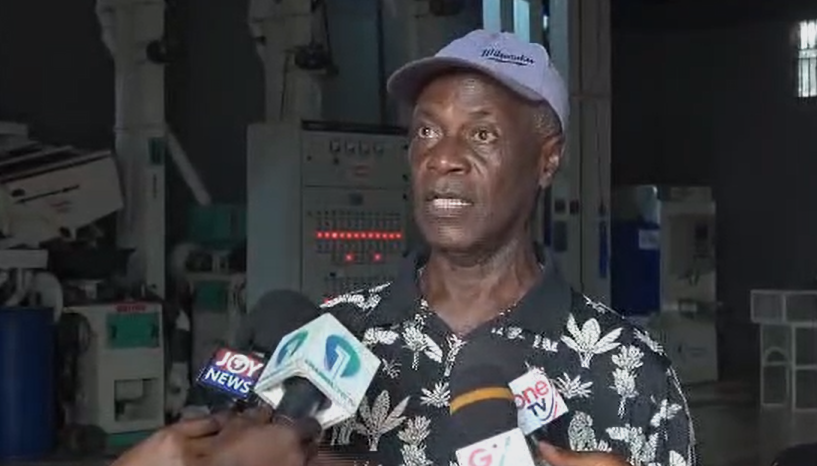
In an interview with Citi News, Rice Miller, Franco Obour of Franco Food Processing and Farms, said, “Our local farmers in the rice business are dying. In this area, the Ejisu area, you can go to Ampabame, Koforidua, or New Koforidua.
“The amount of rice they produce here can feed all the secondary schools around. But because of the competition from foreign rice, we have glut. So you see that there’s a glut of local rice here, but it’s not going because of the foreign rice. And unfortunately, the kind of foreign rice that they are buying is not the quality ones. I mean, the prices have reduced. In our markets, our wives, when they go to the market, the rice they want is the white one.
“It’s not been easy, but with the World Food Programme, the way I see it, they are determined to make sure that they go ahead and feed our local descent.”