Ghana has failed to break into Africa’s top 10 most powerful passports, ranking 69th globally in the latest Henley Passport Index 2026, a reminder that mobility which is an economic asset remains limited for many Ghanaians despite the country’s growing regional influence.
The ranking, released by global citizenship advisory firm Henley & Partners, places Seychelles firmly at the top in Africa, underscoring the widening gap in global access between African economies.
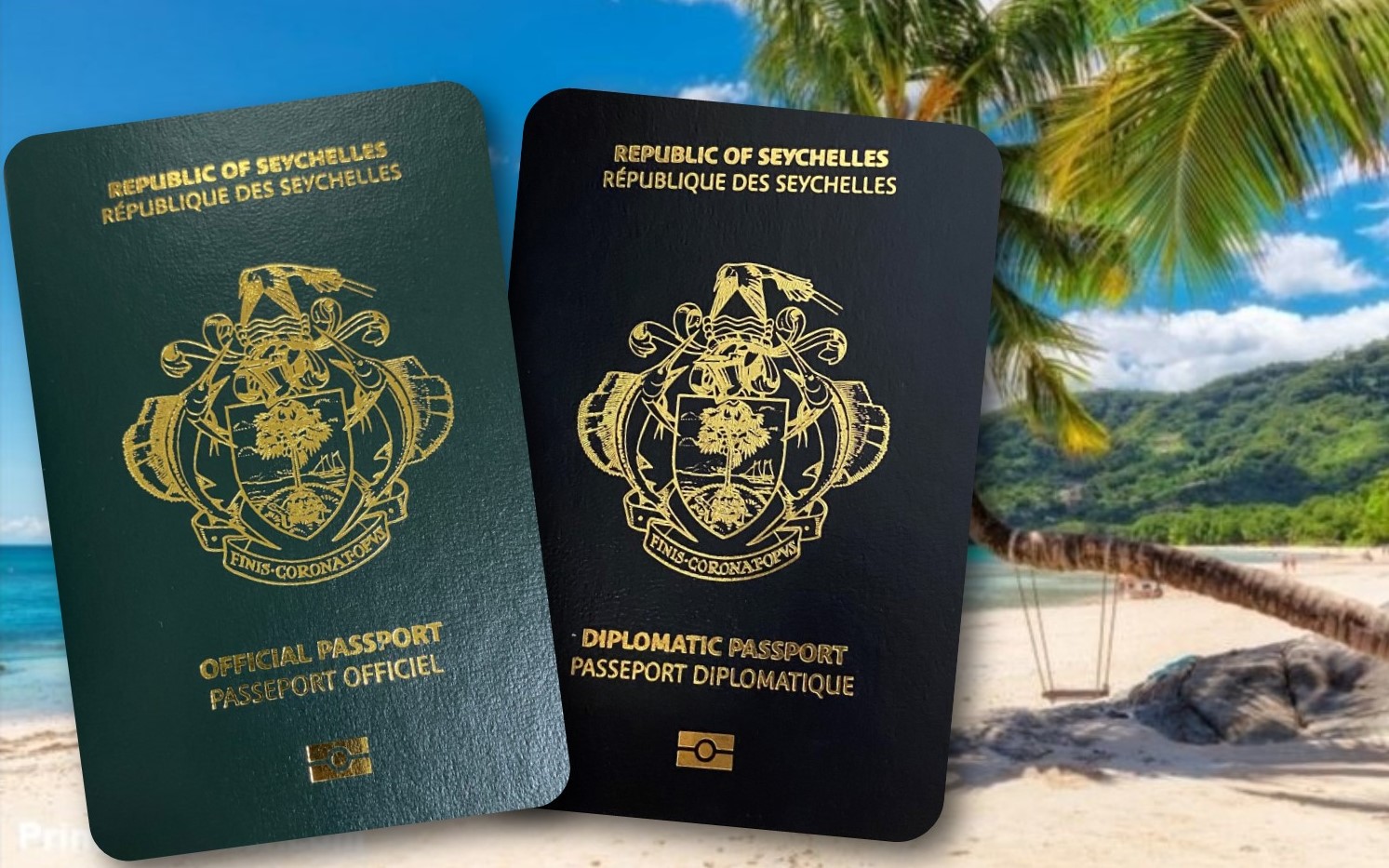
According to the index, Seychelles ranks 24th globally, giving its passport holders visa-free or visa-on-arrival access to 154 destinations, making it Africa’s most powerful travel document.
It is followed by Mauritius at 27th globally with access to 147 destinations, while South Africa ranks 48th and Botswana comes in at 59th, rounding out Africa’s strongest performers.
These countries benefit from long-standing diplomatic ties, stable travel regimes, and reciprocal visa arrangements — factors increasingly tied to trade, investment flows, and business expansion.
Ghana’s position: modest mobility in a global race
Ghana ranks 69th globally, with its passport offering access to 68 destinations without a prior visa. While this places the country ahead of some regional peers, it keeps Ghana well outside the continent’s top tier and far from global leaders.
The ranking puts Ghana on par with Kenya and The Gambia, and below countries such as Rwanda, Tunisia, Cape Verde, and Zambia, highlighting the competitive disadvantage faced by Ghanaian entrepreneurs, professionals, and investors who rely on cross-border movement.
Why passport power matters for business
In today’s global economy, passport strength is no longer just about tourism. It affects:
Ease of doing business
Access to new markets
Speed of deal-making
Cost of travel for entrepreneurs and investors
Business leaders argue that limited mobility increases transaction costs, delays partnerships, and weakens competitiveness — especially for SMEs and startups trying to scale beyond West Africa.
Global leaders widen the gap
Globally, Singapore retains its position as the world’s most powerful passport, offering access to 192 destinations, followed by Japan and South Korea . European and Asian economies continue to dominate the top 10, reflecting decades of strategic diplomacy and economic integration.
The widening gap between top-tier passports and those lower down the ranking highlights how mobility has become a form of soft economic power — one that directly supports trade, investment, and innovation.
What this means for Ghana
For Ghana, the ranking raises critical policy questions around:
Visa reciprocity
Diplomatic engagement
Regional and global mobility agreements
The economic cost of restricted travel
As Ghana positions itself as a hub for investment, fintech, tourism, and the African Continental Free Trade Area (AfCFTA), analysts say improving passport strength could become a quiet but powerful lever for long-term growth.
For now, however, the 2026 index shows that while Ghana’s influence in Africa is growing, its passport power still has a long journey ahead.