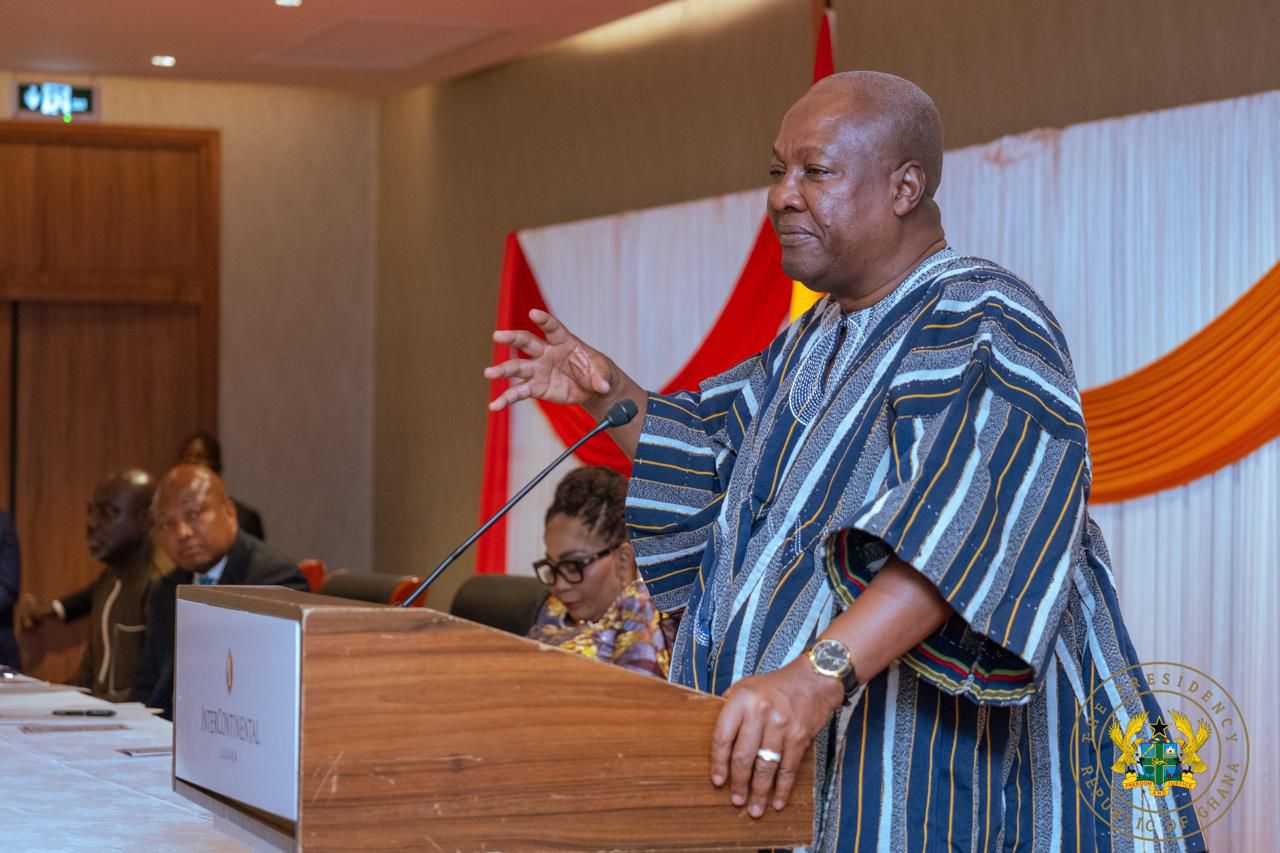
What began as a ‘careless’ comment about a traditional Ghanaian garment has ignited a continent-wide conversation about culture, identity, and African pride. During his state visit to Zambia on February 3, 2026, President John Dramani Mahama wore a fugu, also known as a smock or batakari, a traditional outfit from northern Ghana.
The attire, steeped in history and symbolism, unexpectedly became the centerpiece of an international cultural debate.
The Fugu: More Than Just a Garment
In an interview with journalists in Zambia, President Mahama explained that the fugu is more than clothing—it is a cultural emblem. Worn historically by kings, warriors, and freedom fighters, the smock has long signified courage, identity, and heritage.
During Ghana’s independence celebrations in 1957, President Kwame Nkrumah and other leaders wore smocks, embedding the garment into the nation’s historical consciousness.
“Our warriors believed the smocks were soaked in herbs and spiritual blessings, making them invincible in battle. Today, it remains a symbol of our identity and pride,” Mahama said. “I wore the smock to the United Nations, the highest platform in the world.”
From Blouse to Global Buzz
The cultural moment escalated when some Zambian social media users mockingly referred to the fugu as a “blouse.” The comment, seemingly trivial, triggered a wave of online engagement. Ghanaians across the diaspora and celebrities joined in, sharing posts, images, and videos celebrating the fugu’s beauty and significance.
Mahama reflected on the unexpected impact: “I have given smock weavers marketing they could never have dreamed of. By the power of social media, the world is now searching for fugu, batakari, and smock. It all started because someone asked, ‘What blouse is he wearing?’”
A Cultural Exchange Between Leaders
The lighthearted debate caught the attention of Zambian President Hakainde Hichilema, who humorously noted at the Ghana–Zambia Business Forum that Zambia would be ordering more Ghanaian fugu.
“I am very happy that the foreign minister is wearing that,” he said. “I have asked my team to post online that the president of Zambia will be ordering more for himself.”
Mahama’s gift of a fugu to President Hichilema further cemented the exchange, turning a simple fashion choice into a diplomatic gesture. The Zambian leader expressed interest in distributing additional fugu to his citizens, highlighting how cultural symbolism can transcend borders.
Reclaiming African Identity
Ghana’s Minister for Foreign Affairs, Samuel Okudzeto Ablakwa, noted that the conversation about the fugu is more than fashion. “This is about reclaiming African identity, dignity, and culture,” he said. “It triggers a renaissance of what Kwame Nkrumah described as the African personality. Restitution is not just about historical compensation—it is about reconnecting with our roots.”
Mahama emphasized that all his clothing is made in Ghana by local designers, reinforcing his commitment to promoting domestic industries and showcasing African creativity globally. “We need clothes that make us comfortable in our climate and reflect who we are as Africans,” he said.
A Symbol of Pride, Unity, and Opportunity
What started as a ‘careless’ comment has become a cultural awakening. The fugu is now a talking point in Africa and beyond, showcasing Ghanaian heritage and sparking discussions on identity, fashion, and history. More than just a garment, it has become a symbol of continental pride, creative enterprise, and Africa’s shared heritage.
From social media firestorm to diplomatic exchange, the episode demonstrates the power of culture to unite, educate, and promote local industries while reminding Africans of the richness of their identity. The fugu, once a regional tradition, now has global resonance—proof that culture, when proudly worn, speaks louder than words.