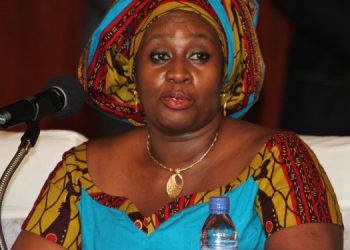
The World Health Organisation (WHO) says wastewater surveillance can help Ghana target public health resources more effectively by identifying gaps in disease monitoring.
The WHO’s Technical Lead for Sanitation and Wastewater, Kate Medlicott, said the country must first identify priority diseases and weaknesses in its clinical surveillance systems.
Speaking to Citi News on the sidelines of the Wastewater and Environmental Surveillance Meeting 2026 on Tuesday, April 14, Kate Medlicott explained that wastewater data can complement existing systems by tracking disease spread and identifying the most affected communities.
“This is important for Ghana to look into the diseases that are really a problem for this country, and the gaps are in the clinical surveillance. If there are serious gaps, you need to find out how diseases are spreading and which communities are affected.
“You can use waste data to complement the clinical surveillance to fill the gaps. So that we can direct the resources to respond to the public health needs,” she said.