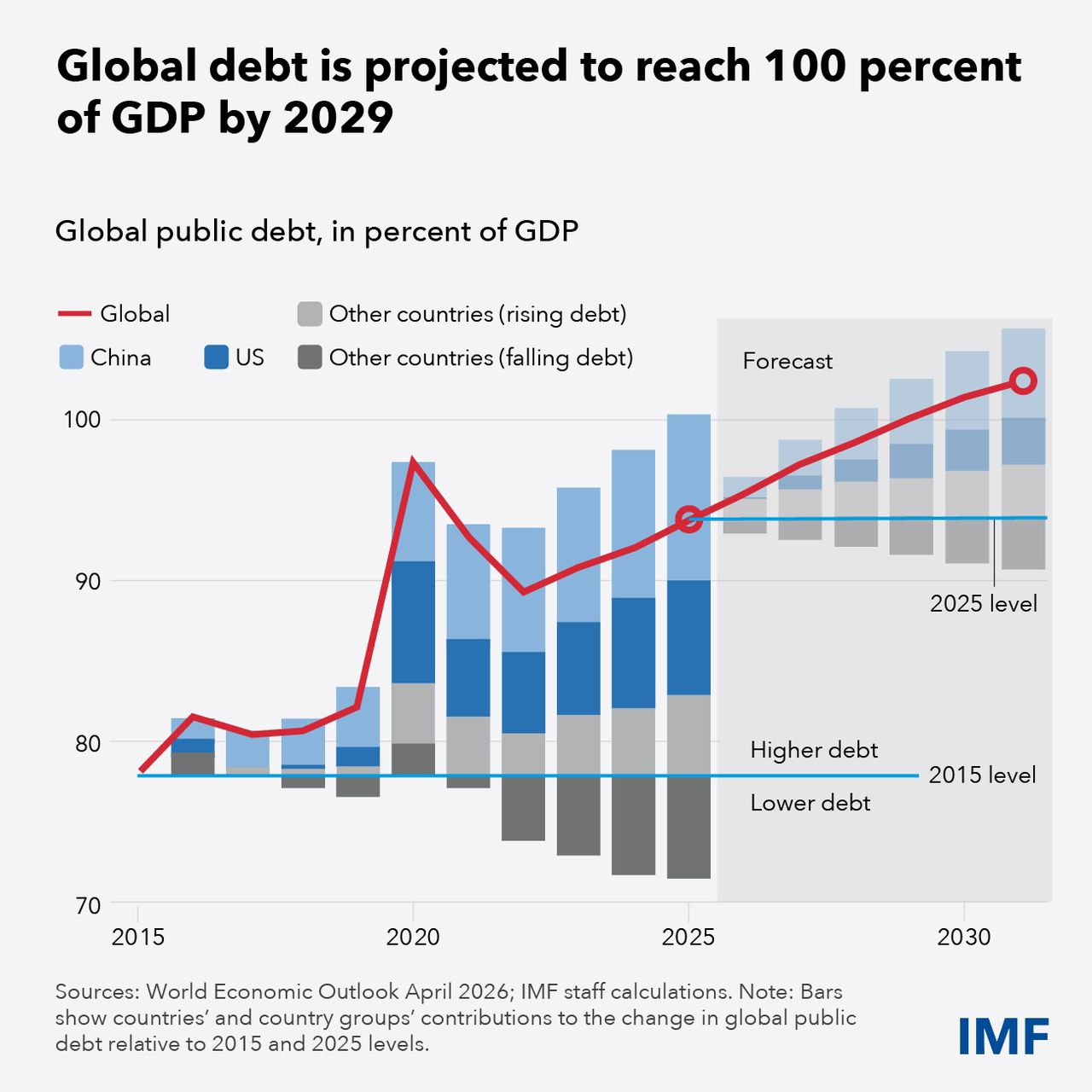
Mounting debt burdens and limited access to affordable financing have emerged as the central concern for African policymakers, as global shocks continue to tighten fiscal space across the continent.
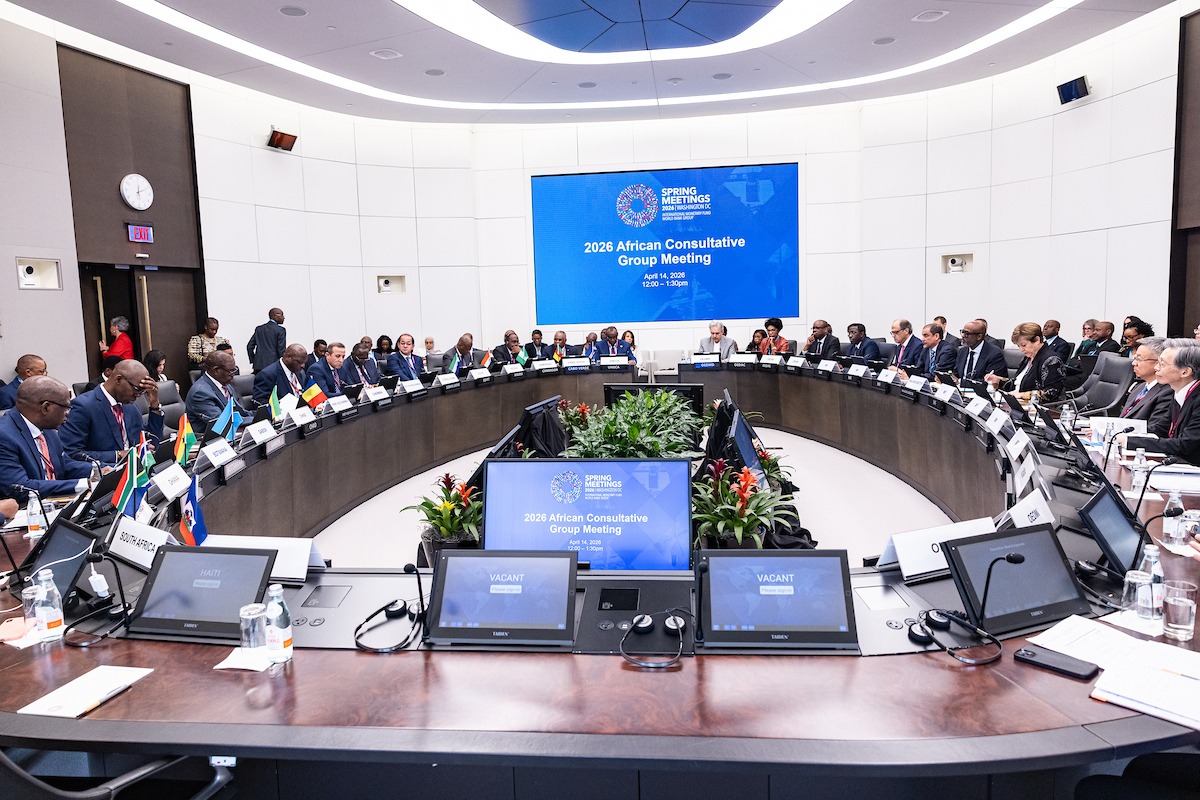
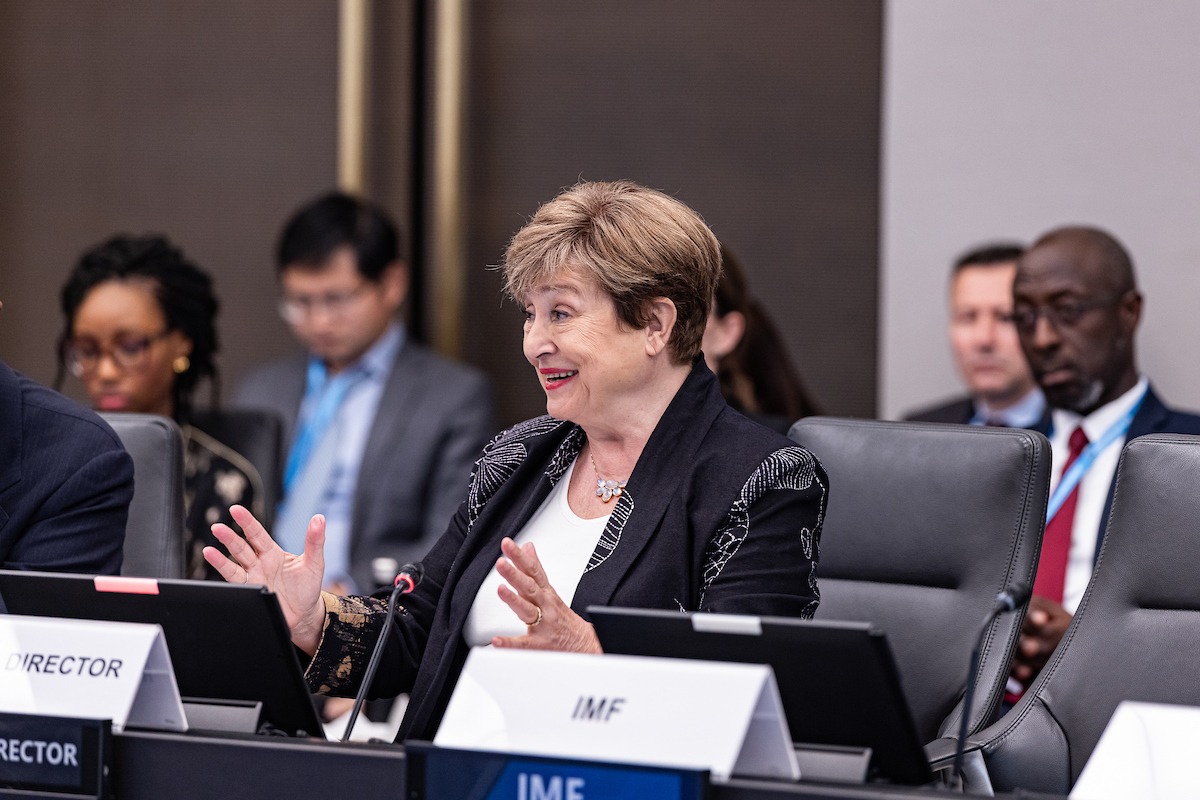
This formed the core of discussions at the African Consultative Group meeting held on the sidelines of the IMF-World Bank Spring Meetings, convened by Seedy Keita, Chairman of the African Caucus and Minister of Finance and Economic Affairs of The Gambia, together with Kristalina Georgieva, Managing Director of the International Monetary Fund.
Finance ministers and central bank governors used the platform to highlight the growing strain rising debt service obligations are placing on already constrained government budgets.
The discussions come at a time when many African economies are grappling with elevated borrowing costs and reduced access to international capital markets, forcing governments to make difficult trade-offs between servicing debt and funding critical development needs.
The situation is further complicated by external shocks, including geopolitical tensions and supply chain disruptions, which are increasing macroeconomic vulnerabilities and heightening the risk of inflationary pressures and food insecurity.
In response, policymakers are pushing for stronger and more transparent debt sustainability assessments to better guide borrowing decisions and reduce risks.
Ongoing reforms to the joint IMF-World Bank debt sustainability framework are expected to play a key role in improving how countries evaluate and manage their debt exposure.
There is also a renewed emphasis on strengthening public financial management systems, improving spending efficiency, and mobilising domestic revenue to reduce reliance on costly external borrowing.
Beyond debt management, African leaders are advocating for more tailored policy support from the IMF, particularly in navigating external shocks and addressing cross-border spillovers that impact domestic economies.
With fiscal buffers stretched and global conditions remaining uncertain, the talks signal a shift toward rebuilding policy credibility and safeguarding economic stability across the continent.`