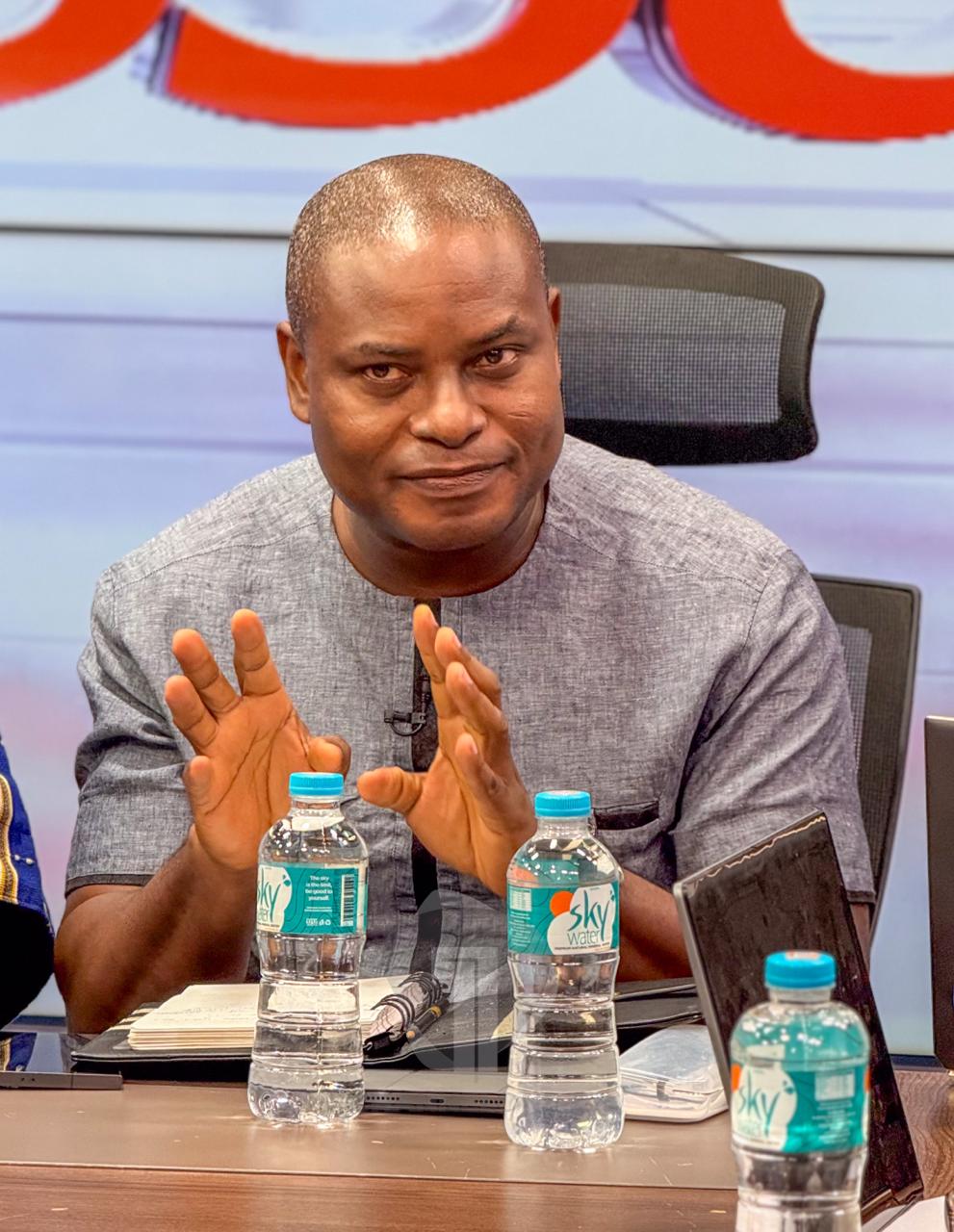
The Director of Communications of the New Patriotic Party (NPP), Richard Ahiagbah, has raised concerns over what he described as “jobless growth” in Ghana’s economy, arguing that recent macroeconomic gains have not translated into meaningful employment creation.
He also maintained that Ghana continues to operate within the influence of an International Monetary Fund (IMF) framework despite government’s announcement on May 15, 2026, that the country’s three-year Extended Credit Facility (ECF) programme with the IMF had concluded.
Speaking on The Big Issue on Saturday, May 16, Mr Ahiagbah said IMF-backed arrangements play a critical role in shaping investor confidence by signalling fiscal discipline and consistency in economic management.
According to him, countries that sign onto such programmes are bound by agreed conditions and are expected to fully implement reforms within the stipulated period, adding that Ghana’s current policy direction still reflects those commitments.
“These reviews signal to the market what your discipline is in terms of fiscal management and monetary policy. So we need to first of all ensure that whatever the programme becomes, we operate by it,” he said.
Mr Ahiagbah further underscored the need to address the country’s productivity challenges, describing them as central to ensuring that economic growth translates into sustainable job creation.
He called for a more coordinated national effort to bridge the gap between economic growth and employment opportunities.
In a statement issued by Presidential Spokesperson and Minister for Government Communications, Felix Kwakye Ofosu, government said the conclusion of the programme reflects the restoration of macroeconomic stability and progress towards debt sustainability ahead of schedule.
According to the statement, the economic turnaround followed a series of aggressive fiscal and structural reforms implemented after setbacks experienced at the end of 2024.