Parliament is set to take a leading role in Ghana’s renewable energy transition with plans to install solar panels within the Parliamentary enclave as part of broader efforts to promote clean energy adoption across the country.
The initiative is expected to demonstrate Parliament’s commitment to sustainable energy while encouraging constituencies nationwide to embrace renewable energy solutions.
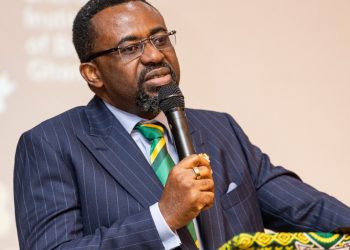
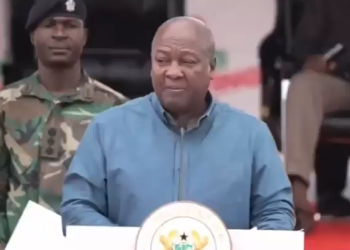
Chair of the Committee on Environment, Science and Technology, Yaw Addo Frimpong, announced the plan while speaking at the Ghana Green Investment Dialogue in Accra, where he called for a shift from awareness creation to concrete action in addressing the country’s energy challenges.
“There has been enough awareness creation about renewable energy and sustainability. The time has come for practical action,” Mr. Frimpong said.
The dialogue, organised by the Climate Parliament in partnership with the United Nations Industrial Development Organisation (UNIDO) and the Parliament of Ghana, brought together policymakers, legislators, investors, financial institutions and development partners to explore ways of mobilising green investment and climate finance.
Mr. Frimpong said Parliament was prepared to support the passage of laws and regulations needed to create a favourable environment for renewable energy investments, particularly constituency-based energy projects.
He stressed the need for collaboration among government ministries, investors, financial institutions and energy providers to scale up renewable energy infrastructure across the country.
Citing Zambia’s experience during its energy crisis, he noted that legislators there were allowed to use constituency development funds to invest in alternative energy solutions at the community level, helping to ease pressure on the national power supply.
“If such initiatives had been implemented earlier in Ghana, the impact of some of our past energy crises could have been reduced,” he said.
Mr. Frimpong further called for similar constituency-level renewable energy interventions in Ghana, saying they could improve energy security, create jobs and support sustainable development.
At the same event, Dr. Robert Sogbadji, Deputy Director for Renewable Energy and Green Transition at the Ministry of Energy and Green Transition, said Ghana had reached a critical point where it must move beyond pilot projects and policy frameworks into large-scale implementation.
He said the government had already made progress under the Scaling-Up Renewable Energy Programme (SREP), which has supported the installation of solar mini-grids in island and lakeside communities.
According to him, the mini-grids are providing clean and reliable electricity to thousands of previously underserved residents, powering homes, schools, health facilities and small businesses.
Dr. Sogbadji added that the Ministry is preparing a national net-metering framework that will allow households and businesses with rooftop solar systems to feed excess electricity into the national grid, further strengthening the country’s renewable energy push.
Source: GNA