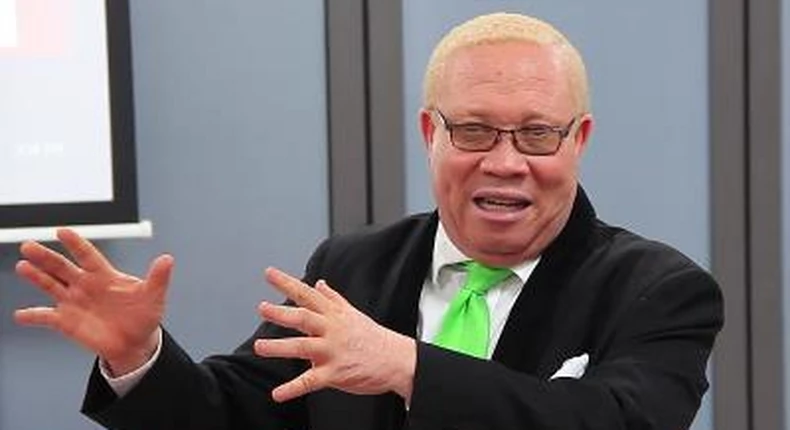
The Executive Secretary of the National Coalition for Human Sexual Rights and Family Values Bill, Moses Foh-Amoaning, has called on African legislators to resist advocacy for LGBTQ+ rights, arguing that claims linking such rights to international human rights law are misleading.
Speaking at the 4th Inter-Parliamentary Conference on Family, Sovereignty and Values on Thursday, June 4, 2026, Mr. Foh-Amoaning urged African lawmakers not to be swayed by arguments suggesting that LGBTQ+ rights are protected under international legal frameworks.
“Don’t be fooled by the human rights argument. It is a lie from hell,” he told participants at the conference.
He described LGBTQ advocacy groups as pursuing a deliberate agenda and accused them of using deceptive narratives to advance their objectives.
“This is an agenda-seeking set of people who are clear on what they want and their hallmark is deception and that’s what I want to expose,” he said.
Mr. Foh-Amoaning further argued that references to sexual rights, constitutional rights and human rights in support of LGBT issues were not grounded in international law.
“So when you hear them talking about human rights, sexual rights, constitutional rights, it’s all false,” he said.
He urged participants at the conference not to fear that opposition to LGBTQ rights would place them in conflict with international legal obligations.
“I want this conference not be fooled by anybody and say okay we’re afraid because we’re going to be fighting or conflicting with some international law framework,” he said.
According to him, LGBTQ rights were never formally incorporated into international legal instruments and had instead been introduced through interpretation and external pressure.
“My point is LGBTQ rights have never been part of the international legal framework. They were implied and they were forced into our laws,” Mr. Foh-Amoaning said.
The conference brought together parliamentarians, policymakers and advocates from various countries to discuss issues relating to family values, national sovereignty and social policy.