



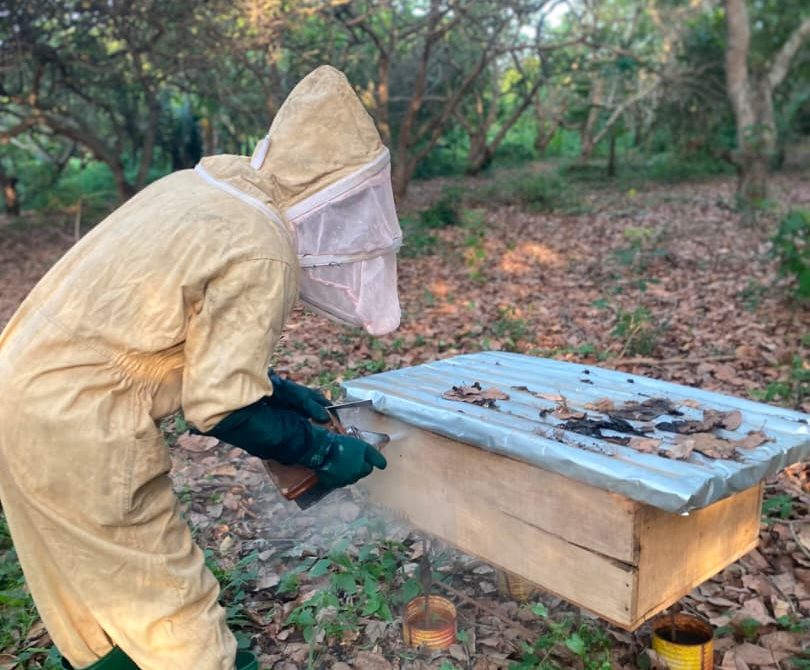
Some farmers in the Bono and Bono East regions are turning to beekeeping as a climate adaptation strategy and an alternative source of income, as climate change continues to reduce crop yields.
The Bono and Bono East regions are among Ghana’s major food-producing areas. However, erratic rainfall, prolonged dry spells and declining crop yields—particularly in 2024—have forced many farmers to rethink their livelihoods.
In response, some farmers are diversifying into beekeeping, a climate-resilient venture that requires less land and water than traditional farming while supporting pollination and biodiversity.
The changing climate has affected the production of staple crops such as maize, yams, and cassava, prompting farmers to seek alternative means of sustaining their families.
In an interview with Citi News, a cashew farmer and beekeeper from Nsawkaw in the Tain District of the Bono Region, Joseph Nizelle, encouraged fellow farmers, especially those engaged in tree crop cultivation, to venture into beekeeping as a reliable supplementary source of income.
“I have been keeping bees for about 10 years, and it is very lucrative. Sometimes, I earn more from beekeeping than from cashew farming itself. The income helps support my family and provides capital for other businesses and projects,” he said.
According to Nizelle, climate change has become a major factor affecting cashew production, making income diversification increasingly necessary.
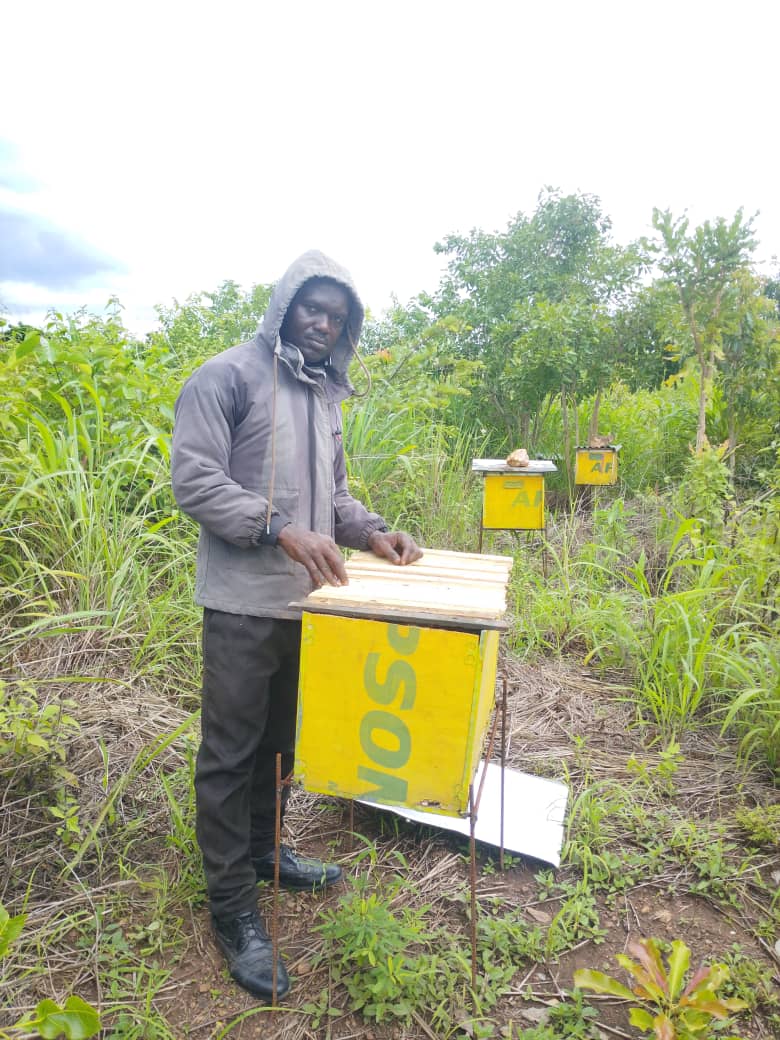
“I can confidently say that climate change greatly influences whether a cashew season is successful or not. Beekeeping helps farmers balance their income when crop production is affected,” he added.
He disclosed that he earns no less than GH¢10,000 annually from just 10 beehives and is expanding his apiary to accommodate about 50 hives this year. However, he noted that theft of mature honey remains a challenge.
Faustina Owusu, a cashew farmer from Agosa in the Techiman Municipality of the Bono East Region, said venturing into beekeeping four years ago has significantly improved her livelihood.
“Through beekeeping, I have been able to establish a provisions shop, support my children’s education and contribute to my household income,” she said.
She encouraged other farmers and young people to consider beekeeping, describing it as a profitable venture.
“The beekeeping business is rewarding. I want to encourage other farmers and the youth to venture into it because it is profitable. I have never regretted my decision,” she stated.
Nana Amo Aborah, Adontenhene of Agosa, also said beekeeping has provided him with an alternative livelihood after his cashew farming activities were affected by erratic rainfall.
“My interest in beekeeping is growing by the day. I am gradually shifting from cashew farming because of the benefits I have derived from the business,” he said.
He added that continued support would be needed to help sustain and expand the sector.