



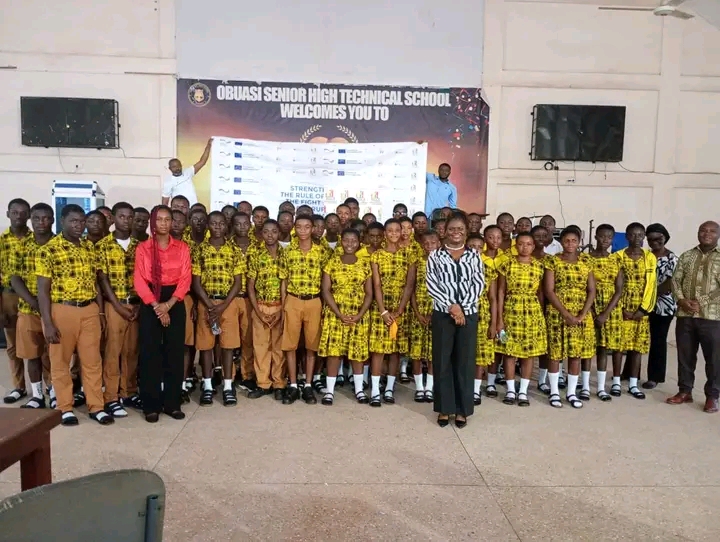
The Obuasi Municipal Directorate of the National Commission for Civic Education (NCCE) has called on students to uphold the highest standards of integrity, accountability and ethical leadership while actively supporting efforts to combat corruption in society.
The call was made during a civic education engagement organised for students, where officials of the Commission highlighted the importance of responsible leadership, public accountability and the role of young people in promoting good governance.
Addressing the students at the Obuasi Senior High Technical School on June 10, 2026, Mrs Gertrude Kwofie, Director, Obuasi Municipal Legal Aide Authority, emphasised the importance of Ghana’s anti-corruption legal framework, particularly the Whistleblowers Act, which protects individuals who report acts of corruption and wrongdoing.
She explained that the law guarantees confidentiality for whistleblowers and provides legal protection against victimisation.
According to her, the government has also established a Whistleblowers Fund to reward individuals whose reports lead to the recovery of public funds or state property.
Mrs Kwofie, however, cautioned students against making malicious allegations, stressing that reports of corruption should be made in good faith and based on credible information.
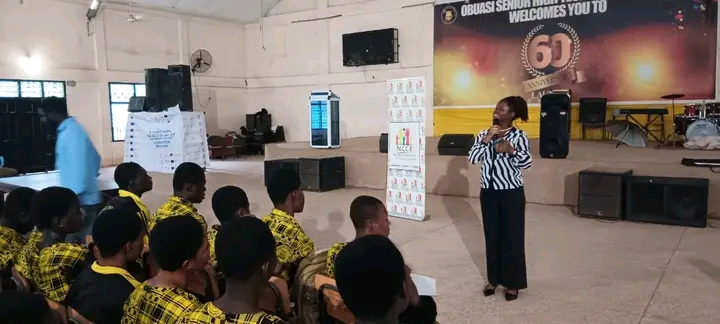
She encouraged the students to reject all forms of corruption and instead become agents of positive change by exposing wrongdoing and promoting integrity in their schools and communities.
Speaking on the themes of ethical leadership and public accountability, the Obuasi Municipal Director of the NCCE, Mr Lawrence Nyame, urged students to live above reproach and cultivate values that would prepare them for future leadership responsibilities.
He noted that many of the students would occupy influential positions in society in the years ahead and, therefore, needed to develop strong moral character and leadership qualities.
Mr Nyame advised student leaders to use their positions to promote the image and development of their schools, while demonstrating honesty, fairness and integrity in all their dealings.
“Leadership is about service, responsibility and accountability. Those entrusted with leadership positions must always act in the interest of the people they serve,” he stated.
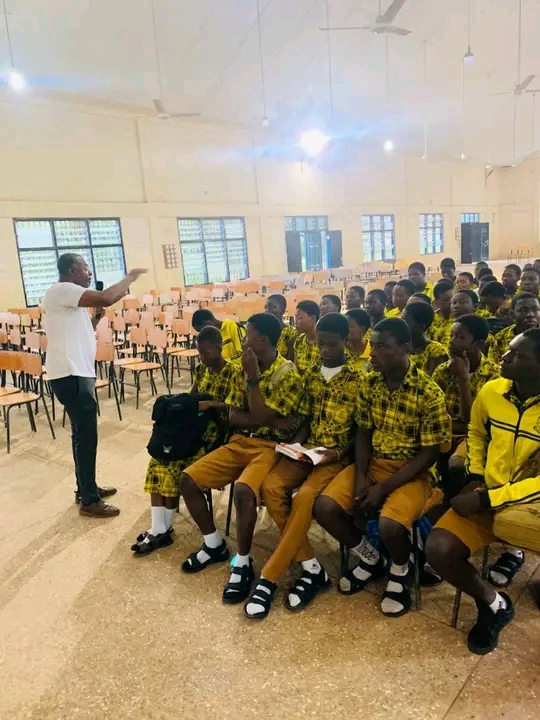
Mr Nyame further stressed that accountability remains one of the fundamental pillars of democratic governance and should be embraced at all levels, including within educational institutions.
He urged student leaders to be transparent in the discharge of their duties and to account for their stewardship whenever called upon by their colleagues or school authorities.
According to him, accountability helps build trust, promotes responsible leadership and strengthens democratic values.
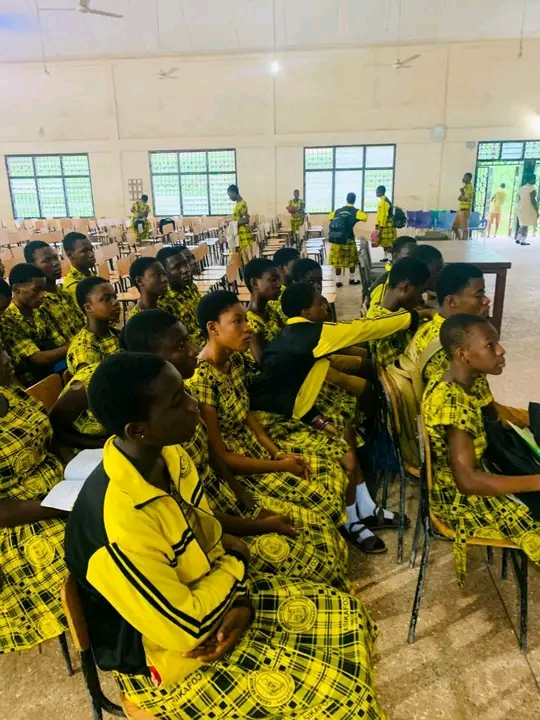
The engagement formed part of the NCCE’s ongoing efforts to promote civic responsibility, ethical conduct and active citizenship among young people, while equipping them with the knowledge and values necessary to contribute positively to national development.