


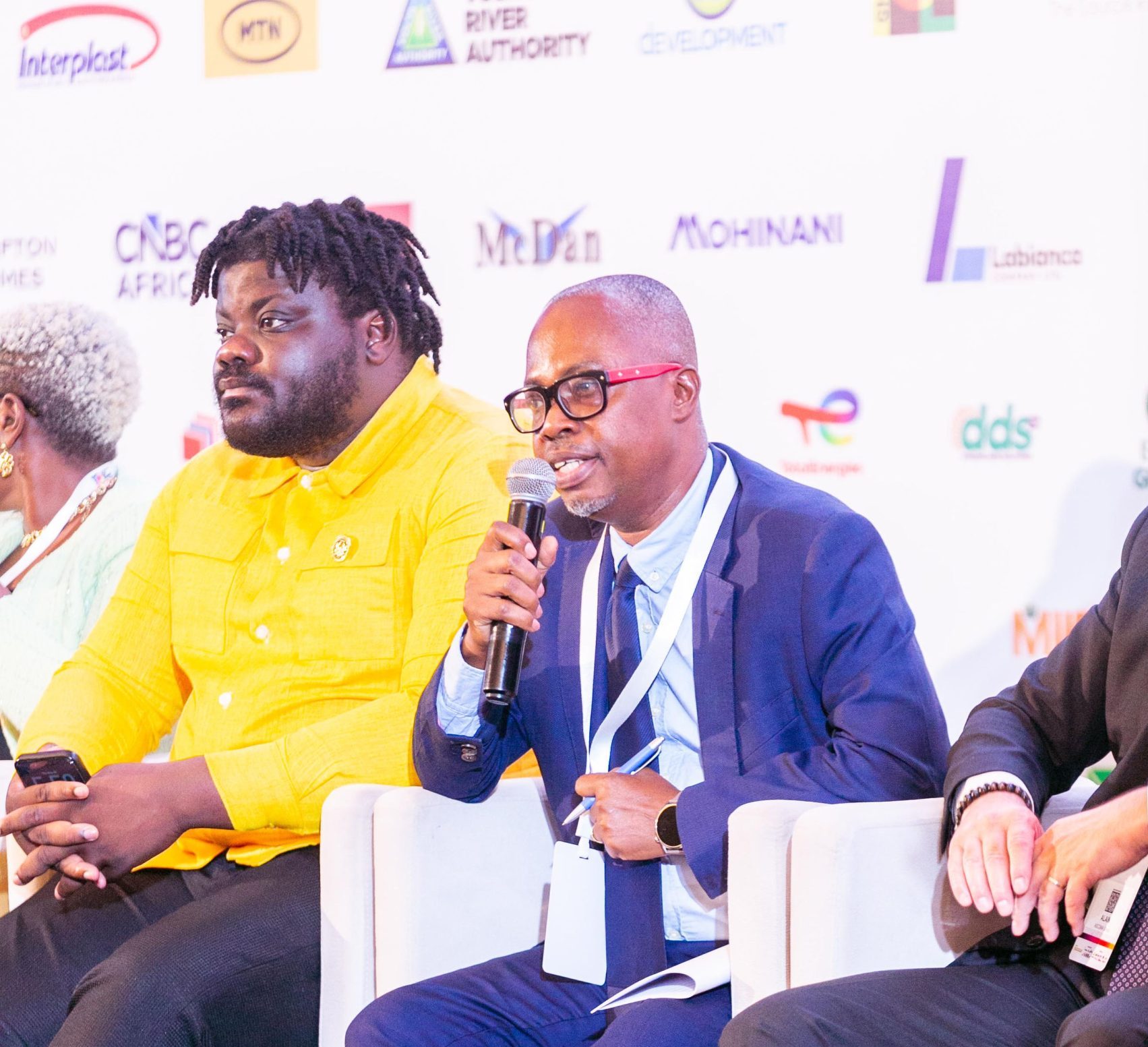
Managing Director of Telecel Cash and Digital Transformation, Philip Amoateng, delivered a pointed message at the 10th Ghana CEO Summit: internet connectivity should be treated as a fundamental human right because Ghana cannot transform into a leading and inclusive digital economy without first treating digital infrastructure as a national priority.
Mr. Amoateng spoke at the summit’s opening high-level leadership dialogue on the theme ‘From Vision to Action: Leadership, Technology and Industrialisation as Catalysts for Ghana’s Economic Transformation,’ with President John Mahama delivering the keynote address as Special Guest of Honour.
Mr. Amoateng argued that roads and bridges alone will not drive the economic transformation Ghana needs; hence, internet connectivity setup must be planned alongside every major infrastructure project in the country.
“As a nation, we tend to focus on only physical highways in building national infrastructure, without thinking about incorporating internet connectivity from the foundation. If we are serious about connecting every community in Ghana, our national focus must be to prioritise digital infrastructure in every single development plan,” Mr. Amoateng said. “Additionally, connecting all second-cycle educational institutions to the internet should be a priority.”
Telecel Ghana’s Chief Executive, Ing. Patricia Obo-Nai, received the ‘CEO of the Year – Telecom’ honour, recognising her leadership in the sector as the telecom operator continues to grow in revenue, profit, and customer base.
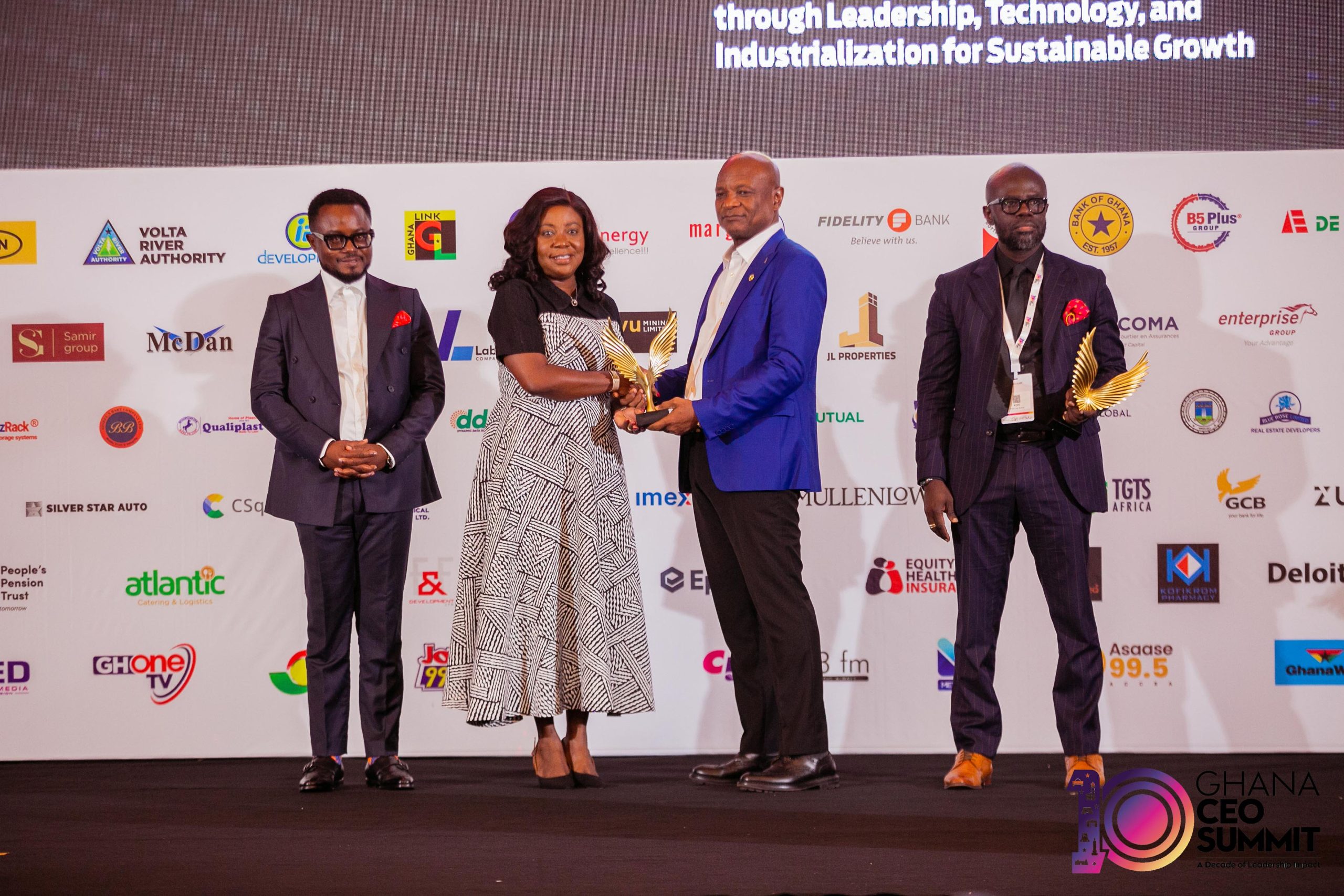
On spectrum licensing, Mr. Amoateng urged caution, saying that while upfront licence fees bring governments quick revenue, they can slow down the very connectivity that drives long-term growth. He used Ghana’s 5G licensing process as an example of where that balance must be carefully managed, calling for favourable financing arrangements and incentives that reward telecom operators for connecting public institutions and reaching rural communities.
Launching the CEO-Government Compact 2026, a high-level accountability and innovation framework for public-private partnerships, President Mahama said the collaboration between the Government and the private sector must be reflected in investment, innovation, industrial growth, and jobs.
“Our relationship between the private sectors should move beyond annual conversations to a more structured framework for accountability, competitiveness, and innovation. Ghana’s future depends on a strong and confident private sector working alongside a responsive and reform-minded state,” President Mahama said.
The Ghana CEO Summit is a leading annual gathering of business and government leaders. Now in its tenth year, the summit brings together chief executives, ministers, policymakers, investors, and industry experts to produce practical recommendations and stronger partnerships to accelerate Ghana’s economic transformation.