



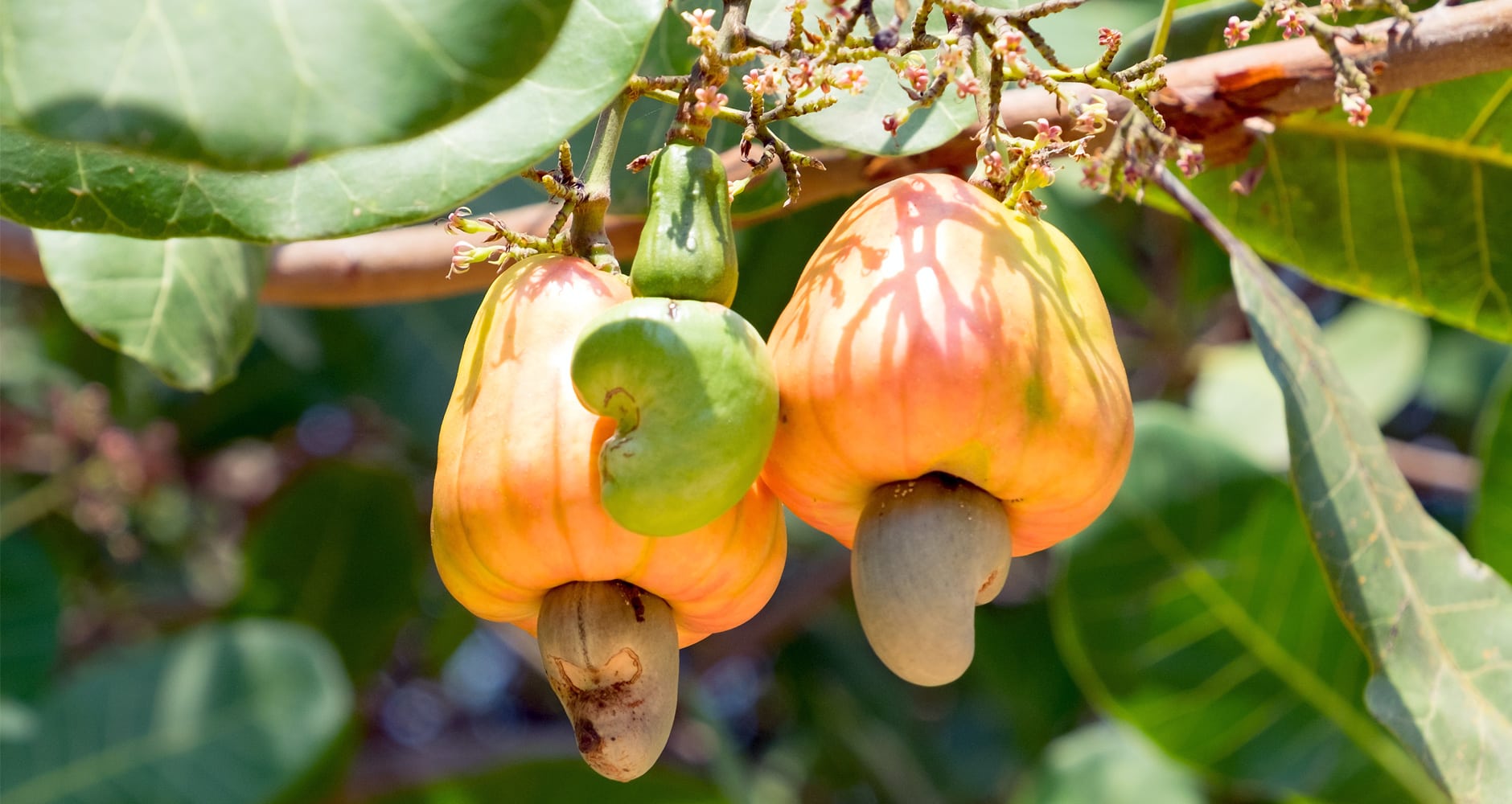
The Association of Cashew Processors Ghana (ACPG) has called for greater support for local cashew processing, stressing that increasing domestic value addition is critical to creating jobs, boosting export earnings, and maximising the economic benefits of Ghana’s growing cashew industry.
In a statement dated Saturday, June 13, the President of the Association, Mr Antonio Manuel Caramelo Raposo, said Ghana has built one of Africa’s strongest cashew industries over the past two decades, with more than 300,000 farmers directly engaged in cashew cultivation and hundreds of thousands of others deriving their livelihoods from trading, transportation, and processing activities along the value chain.
Despite producing approximately 200,000 metric tonnes of raw cashew nuts annually and maintaining its position as one of West Africa’s leading cashew-producing countries, Mr Raposo noted that only a small proportion of the crop is processed locally.
He explained that this situation limits the country’s ability to capture the full economic value of the commodity, as significant opportunities for value addition continue to be lost through the export of raw nuts.
“Ghana has already invested, with the support of partners such as GIZ, the World Bank and NAIRAS, in developing processing capacity, skilled labour and export expertise. However, much of the existing processing infrastructure remains underutilised due to limited access to raw materials,” he stated.
Mr Raposo indicated that unlocking the country’s processing potential could generate thousands of additional jobs while increasing export revenues through the production and export of higher-value cashew products.
The ACPG further cited estimates from the Tree Crops Development Authority (TCDA), which suggest that Ghana’s cashew sector could generate more than US$660 million annually through stronger regulation, increased processing, and expanded value addition.
The association also pointed to evidence from other African countries, where local processing has proven to create significantly more employment and economic activity than the export of raw nuts.
Studies supported by international development organisations have shown that processing cashew within producing countries generates substantial employment opportunities and stimulates broader economic growth. Across Africa, full local processing of production volumes has been estimated to support hundreds of thousands of direct jobs.
According to the association, Ghana is well-positioned not only to remain a major producer of raw cashew nuts but also to become a regional hub for cashew processing, food manufacturing and agricultural industrialisation.
Such a transformation, the ACPG said, would strengthen rural economies, create sustainable employment opportunities, particularly for women and young people and increase the share of export value retained within the country.
The association emphasised that the discussion should not be viewed as an attempt to restrict trade but rather as a strategy to strike the right balance between exports and domestic value addition.
“By encouraging local processing alongside a competitive and transparent market, Ghana can maximise the benefits of its cashew industry for farmers, businesses, communities and future generations,” Mr Raposo stated.
The ACPG is therefore urging policymakers and stakeholders to implement measures that support local processors and ensure that the country derives greater economic returns from its cashew sector.