


David Ofosu-Dorte, founder of AB & David Africa, has warned that Ghana’s rapid urbanisation is not being matched by the infrastructure needed to support growing populations in major cities, resulting in congestion, inadequate services and poor urban planning outcomes.
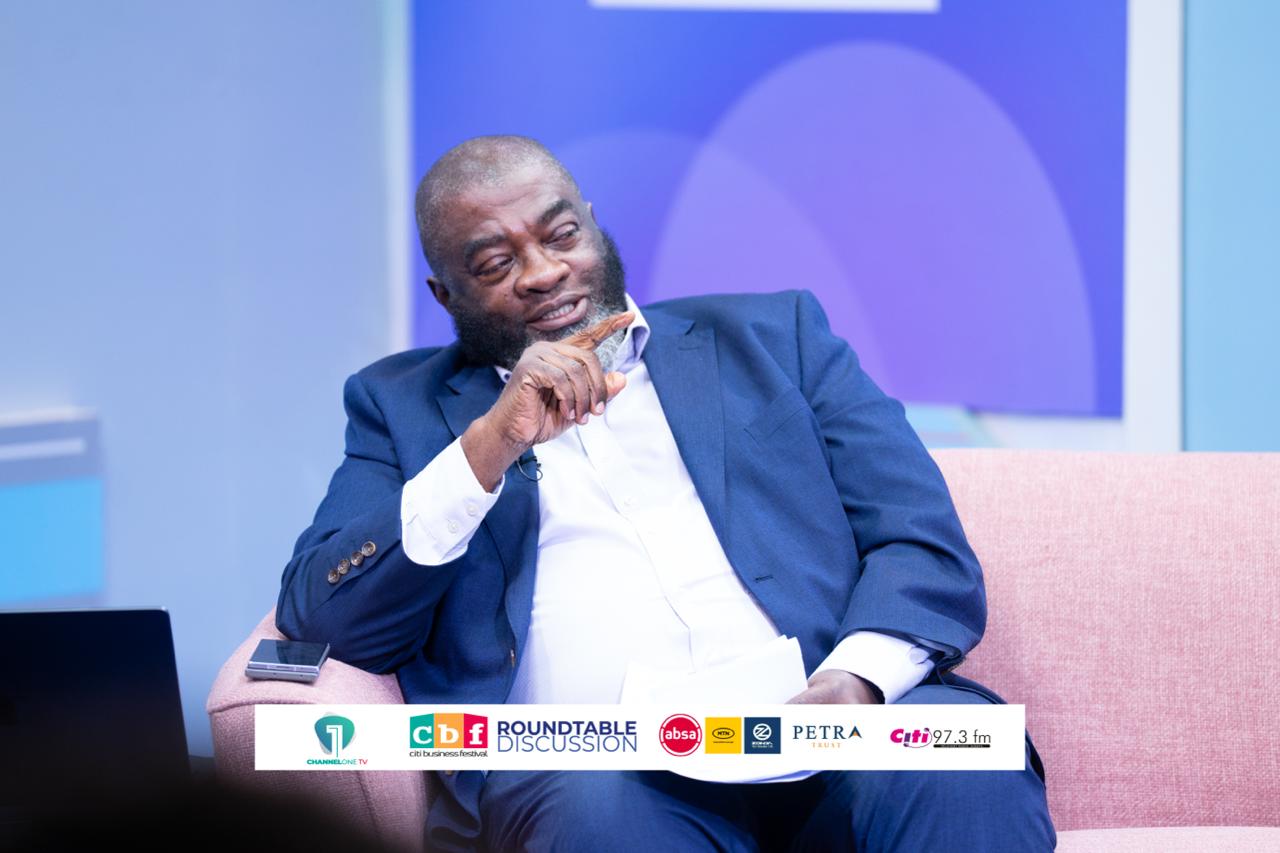
Speaking during a roundtable discussion as part of the Citi Business Festival, on Channel One TV on Monday on the theme, “Building Competitive Cities: Infrastructure, Innovation and Investment for Sustainable Economic Growth,” Mr Ofosu-Dorte said Ghana had long ceased to be a predominantly rural country, yet development planning had failed to adjust to the demographic shift.
“What we tend to miss is that I see many people who think that Ghana’s divide in terms of rural and urban areas still favours the rural side. That changed a long time ago,” he said.
“We are more urbanised than we are rural. From 2009 till now, the urban population far exceeds that of the rural population.”
According to him, the country’s local governance structure reflects this reality, noting that there are now more municipal assemblies than district assemblies.
“That is why you have a lot more municipal assemblies than districts. The declaration of the same is mostly pushed by chiefs,” he said.
Mr Ofosu-Dorte argued that while more people continue to migrate to urban centres in search of opportunities, infrastructure development has not kept pace with the growth.
“You will realise that we are not matching the infrastructure to the movement of people to the urban centres,” he said.
Using Greater Accra and Tema as examples, he pointed to ageing drainage systems that have remained largely unchanged for decades despite significant population growth.
“In Greater Accra and Tema, for example, the drainage channels we had in the 1960s are the ones that still exist now,” he said.
He added that poor waste management practices have compounded the problem, with many drains being used as dumping sites.
“You will find out, in a much worse situation, the drainage channels have become places for disposing waste. That is why they get choked,” he noted.
Mr Ofosu-Dorte said the mismatch between urban growth and infrastructure provision has contributed to rising housing pressures and longer commuting times for residents.
According to him, the high cost of land in city centres is forcing many lower-income residents to relocate to the outskirts of towns and cities, creating new transport and accessibility challenges.
“It has created a situation where people are putting up nice infrastructure, and because lands are expensive, those who are not able to afford these buildings move to the periphery of town, and now it becomes very difficult to get back,” he said.
He also linked poor urban planning to the increasing number of people living on the streets in major cities.
“This is a clear example of how we have not managed the cities very well,” Mr Ofosu-Dorte said.
He stressed the need for deliberate investment in urban infrastructure, innovation and planning to ensure Ghana’s cities remain competitive and capable of supporting sustainable economic growth.
The 2026 Citi Business Festival is powered by Citi FM and Channel One TV in partnership with Absa Bank Ghana, and sponsored by MTN Ghana, Zonda Tec Ghana Limited and Petra Trust Company Limited.