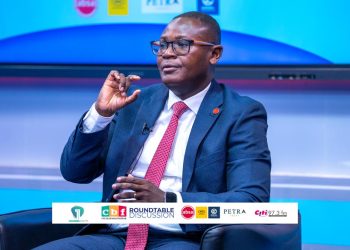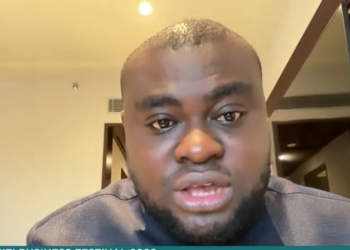



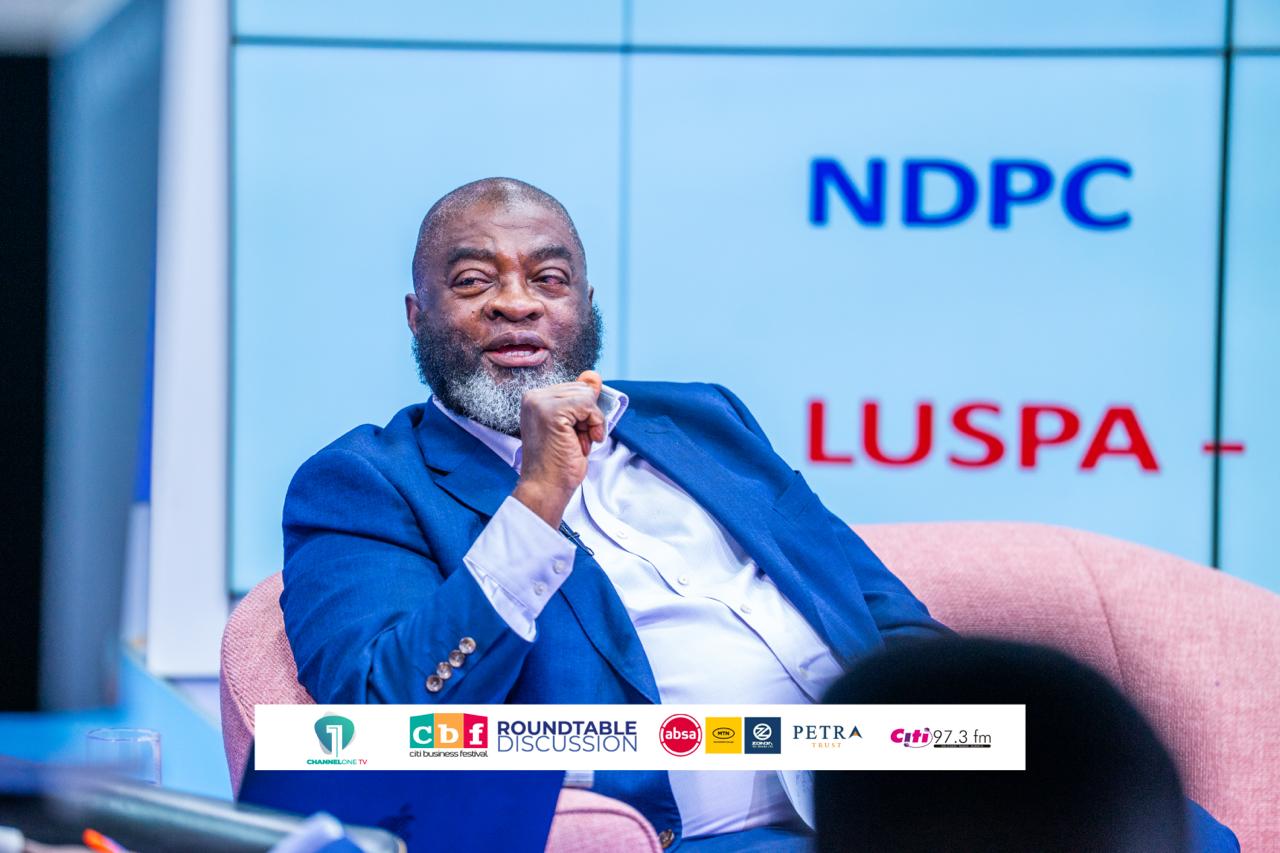
David Ofosu-Dorte, founder of AB & David, has argued that modern cities cannot function effectively if transport systems are left solely under private sector control without strong public coordination.
Speaking at a roundtable discussion on Channel One TV on Monday, June 15, 2026, on the theme “Building Competitive Cities: Infrastructure, innovation and investment for sustainable economic growth,” Mr. Ofosu-Dorte said cities must be treated as “viable entities” that require continuous planning and modelling based on population growth, mobility patterns, and infrastructure capacity.
“You can’t have any functioning city where transportation is in the private sector’s hands. You can show me one example, and I will be happy. It’s not. No functioning city in the world has transport control in the private sector’s hands,” he added.
According to him, urban planning decisions must begin with whether a city’s physical size and infrastructure can support its population, adding that many public debates overlook key comparative data on global cities.
“If you take England, as separate from Britain, and then as separate from the UK, Ghana is bigger than England. A lot of people don’t realize that. Physically? Yes, physically. Landmass, we are bigger than England,” he said.
He added that Greater Accra is larger in landmass than Greater London, but significantly less efficient in transport infrastructure.
“Now London cannot function without transport,” he said, stressing that cities are defined by movement and access to essential services such as jobs, healthcare, and education.
He noted that transport demand in Accra is heavily centralised, with between 66 and 70 percent of daily trips directed toward the city centre, creating what he described as a “swelling” urban population during the day.
“The question then is, how much does the Accra population swell in a day? That’s very important data that we don’t take,” he said.
Mr Ofosu-Dorte further compared infrastructure allocation, noting that about 27% of London’s landmass is dedicated to roads and mass transit, compared with roughly 14% in Accra, a gap he said constrains urban mobility.
The 2026 Citi Business Festival is powered by Citi FM and Channel One TV in partnership with Absa Bank Ghana, and sponsored by MTN Ghana, Zonda Tec Ghana Limited and Petra Trust Company Limited.