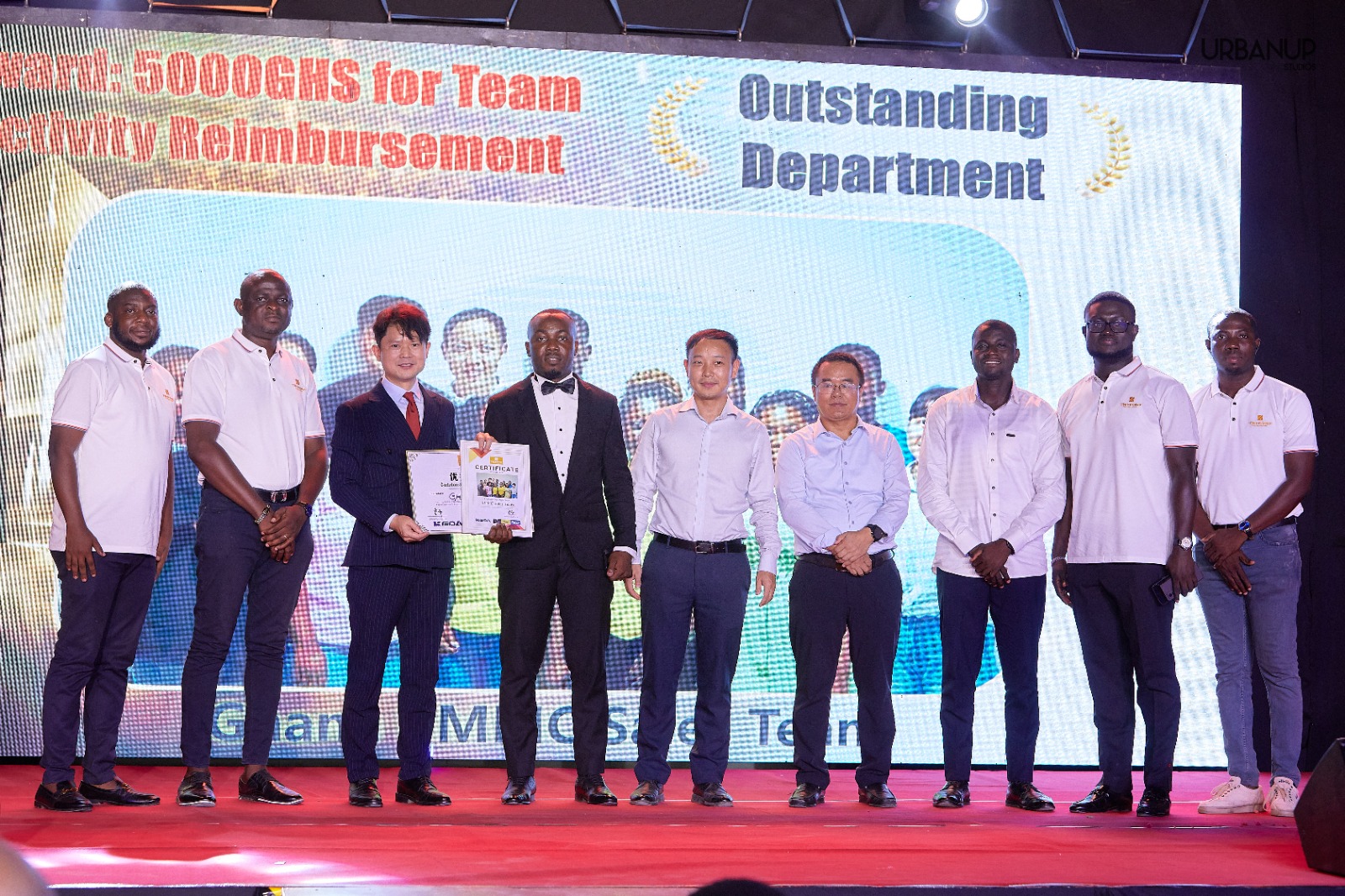
In June 2026, at the 9th Ghana–West Africa Business Excellence Awards held at the Kempinski Hotel Gold Coast City in Accra, Twyford Ghana,as known as Keda (Ghana) Ceramics Company Limited, was named “Tile & Ceramic Manufacturing Company of the Year.”
For a building materials manufacturing company, this may just be another award on the honor roll for Twyford Ghana. But in the context of Ghana’s current economic transformation, this award reflects far more than just the growth trajectory of a single company; it reflects the profound changes that have been taking place in Ghana’s manufacturing industry in recent years.
Manufacturing: At the Heart of Ghana’s Economic Transformation
For decades, Ghana has been regarded as one of West Africa’s most dynamic economies. Yet compared with sectors such as gold, cocoa, and oil, manufacturing has struggled to become a central pillar of economic growth. According to data from the World Bank and the Ghana Statistical Service, manufacturing’s contribution to GDP has remained relatively modest, while its capacity to generate employment and drive exports has fallen short of national ambitions.
As economic priorities evolve, one objective has remained constant: manufacturing is widely seen as essential to reducing dependence on natural resources, creating large-scale employment, and enhancing national competitiveness. Amid global supply-chain realignments and the implementation of the African Continental Free Trade Area (AfCFTA), Ghana is positioning itself as a regional manufacturing hub for West Africa. Building materials, food processing, light manufacturing, and automotive assembly are among the sectors expected to play a leading role in this transformation.
Against this backdrop, companies such as Twyford Ghana have come to represent more than commercial enterprises. They are increasingly viewed as key stakeholders in Ghana’s industrialization agenda. The evolution of Twyford Ghana offers a useful lens through which to understand this broader transformation.
From Import Substitution to Export Orientation: The Changing Role of “Made in Ghana”
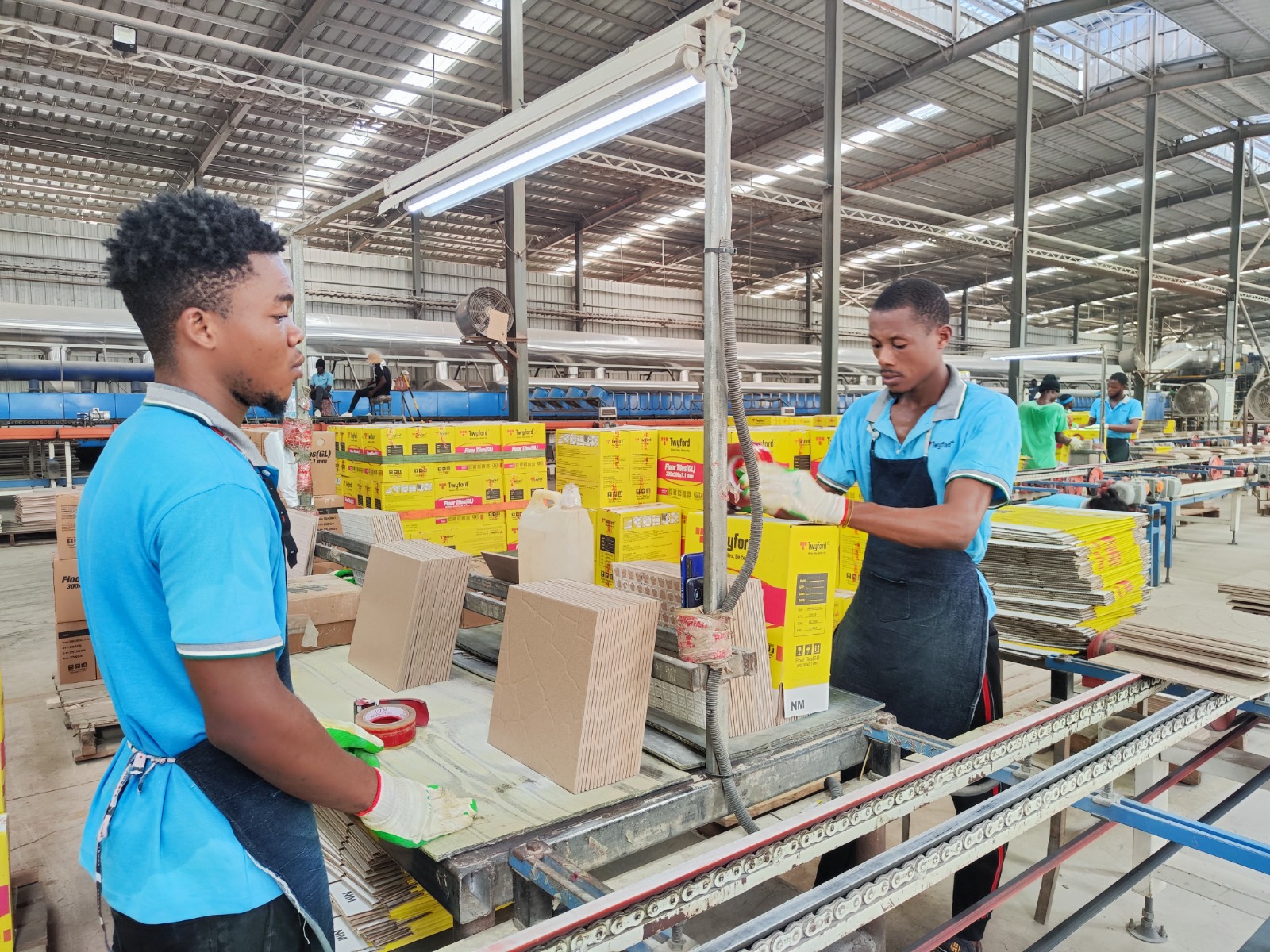
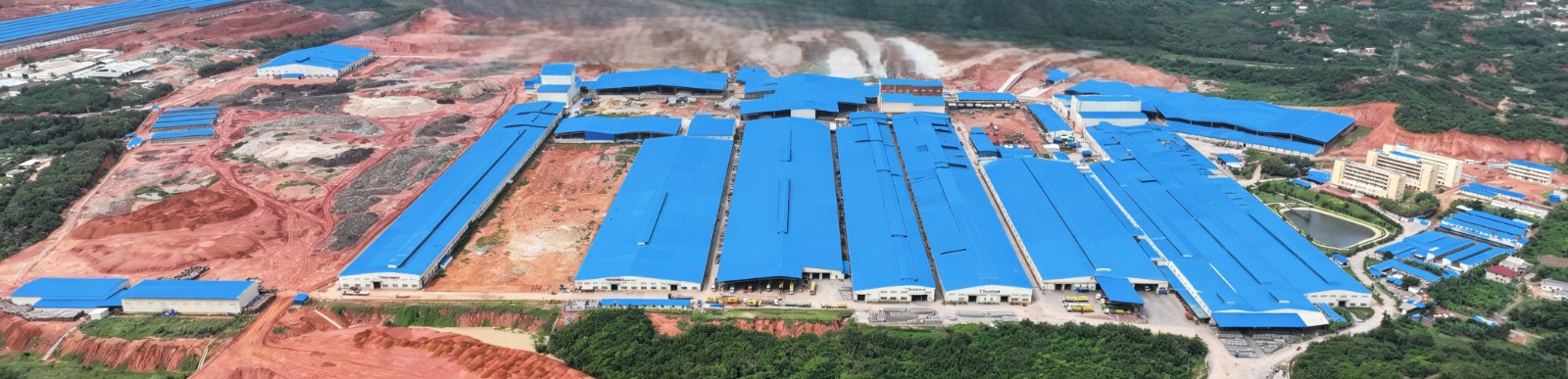
As Twyford International’s largest production base in West Africa and one of Ghana’s largest building materials manufacturers, Twyford Ghana has gradually become an important building materials production base in West Africa after years of development. It boasts 8 production lines (including 1 under construction), with products covering tiles, sanitary ware, and glass. From initially meeting local market demand, its products are now exported to more than 25 countries in the United States, Europe, Latin America, and West Africa. The company’s growth trajectory closely mirrors the development path of Ghana’s manufacturing industry seeking breakthroughs. This transition was particularly evident at Coverings 2026 in the United States.
As one of the world’s most influential stone and tile exhibitions, Coverings has long been dominated by European, American, and Asian brands. However, Twyford Ghana is the first Ghanaian building materials manufacturer to participate for two consecutive years. Following the exhibition, leading Ghanaian media outlets including Daily Graphic, Business & Financial Times, and 3News highlighted not only the company’s participation but also what it represented: a significant international showcase for “Made in Ghana.”
Historically, the “Made in Ghana” label has been associated primarily with agricultural commodities and resource-based products. Industrial goods with significant value-added content have had a much smaller international footprint. Coverings signaled a new possibility—that Ghanaian manufacturing is beginning to move up the global value chain.
Opportunities in a Reshaping Global Supply Chain
As global supply chains continue to diversify, countries are reassessing the strategic importance of manufacturing. For Ghana, with its relatively stable political environment, strong port infrastructure, and status as host of the AfCFTA Secretariat, export-oriented manufacturing has become an increasingly important pillar of national development.
As AfCFTA advances and sourcing networks become more geographically diversified, international buyers are paying closer attention to African markets capable of serving regional demand. Manufacturers are emerging as critical bridges between domestic economies and global markets.
Yet industrial competitiveness is never defined by factories alone. Sustainable success depends on supply chains, human capital, and innovation capacity.
Over the past several years, Twyford Ghana has invested heavily in localization. Through workforce development, local supply-chain integration, technology transfer, and management localisation, the company has gradually built a more comprehensive industrial ecosystem. The company has trained dozens of local supervisors and managers while partnering with educational institutions to provide professional development opportunities. Such investments may not immediately appear on financial statements, but they are fundamental to long-term industrial competitiveness.
This challenge extends beyond a single company. Ghana possesses one of West Africa’s youngest and relatively well-educated workforces. Converting demographic potential into industrial capability, however, requires sustained corporate investment in skills development and technological upgrading.
Manufacturers today are doing more than producing goods—they are creating skills, expertise, and industrial capabilities.
Corporate Responsibility as Industrial Infrastructure
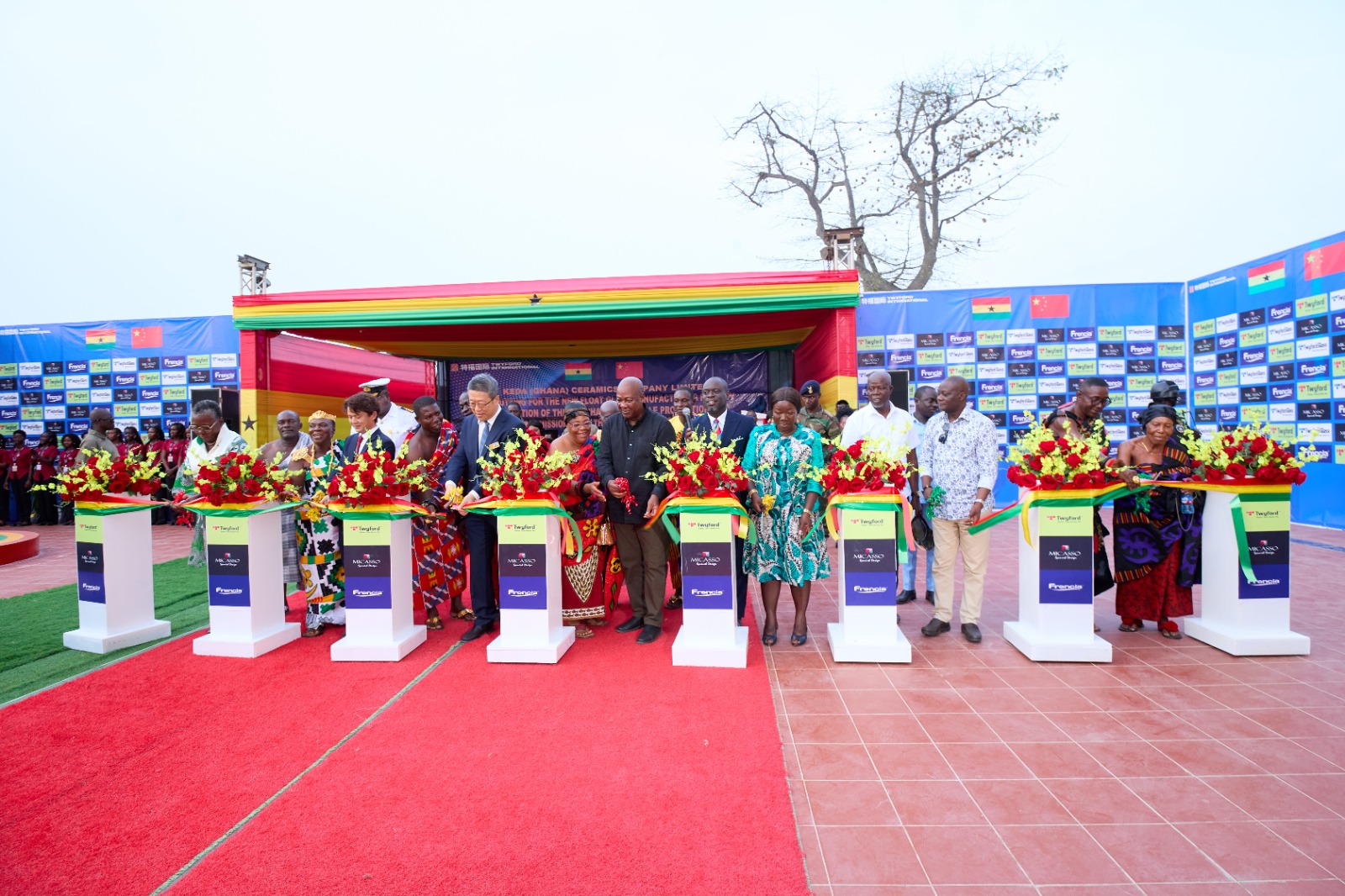
Recently, Twyford Ghana also received the Ghana Manufacturing Awards’ Excellence in Corporate Social Responsibility Award. While community donations, educational support, and healthcare initiatives remain important, some of the most meaningful CSR efforts are embedded in the daily support systems provided to employees and local communities.
In terms of employee welfare, Twyford Ghana goes beyond statutory requirements. In addition to providing mandatory social security coverage and occupational health protection for all employees, the company offers supplementary private medical insurance for selected key employees and their families. Employees also benefit from free meals, company accommodation, holiday packages, birthday gifts, and a range of staff engagement initiatives, including team-building activities, sports tournaments, and annual celebrations.
The company has established scholarship programs to support employees pursuing further education and partners with the Confucius Institute at the University of Cape Coast to provide Chinese-language training, helping local staff enhance both their linguistic and professional capabilities. These initiatives have enabled a number of employees to advance into supervisory and managerial positions, contributing not only to career progression and income growth but also to a stronger sense of belonging within the organization.
Increasingly, research suggests that community development, workforce training, and employee welfare should not be viewed as peripheral expenses but rather as critical components of long-term industrial infrastructure.
The Twyford Model in Ghana’s Industrialisation Journey
Ghana is entering a critical phase of its industrialisation journey. Through the proposed 24-Hour Economy initiative, deeper regional integration under AfCFTA, and continued efforts to attract investment, the country seeks to expand industrial capacity and strengthen competitiveness. Yet such ambitions ultimately depend on the actions of individual enterprises.
Viewed through this lens, Twyford Ghana’s recognition as “Tile & Ceramic Manufacturing Company of the Year” is significant not merely as a corporate achievement, but as evidence of a broader shift in Ghanaian manufacturing—from import substitution to export orientation, from production alone to ecosystem building, and from scale-driven growth to quality- and brand-led development.
Whether Ghana’s manufacturing industry can truly achieve leapfrog development in the future remains to be seen. But at least in the building materials sector, a clear trend has emerged: more and more companies are no longer content with serving the local market, but are beginning to participate in regional and global competition. Twyford Ghana’s journey provides a compelling case study of that evolution.
As Ghana transitions from a resource-driven economy toward a manufacturing-led future, what it needs is not simply more factories, but more enterprises capable of combining local roots, regional reach, and global ambition. That may ultimately be the most important message behind the “Tile & Ceramic Manufacturing Company of the Year” award.
–
Source: Twyford Ghana