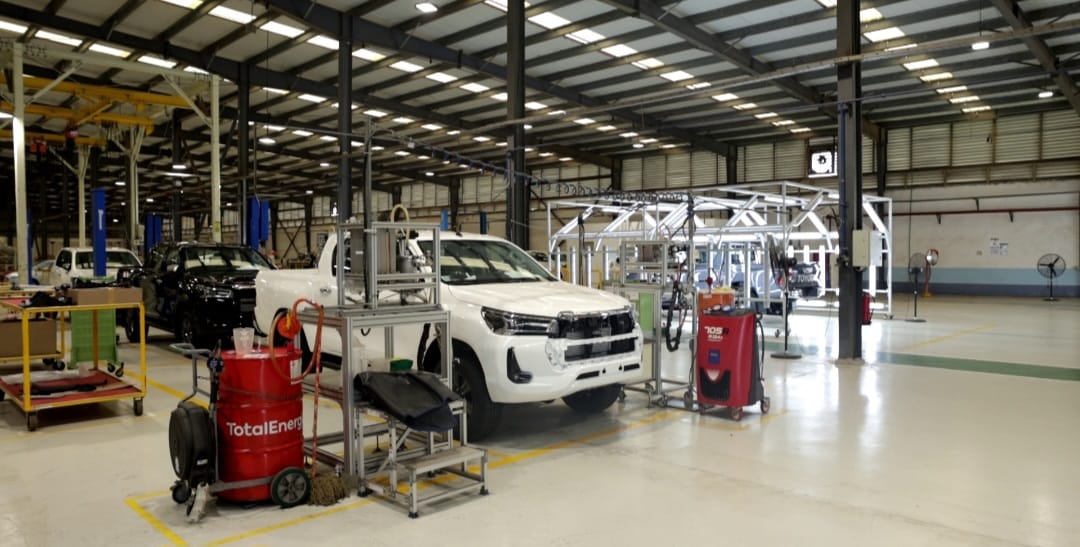
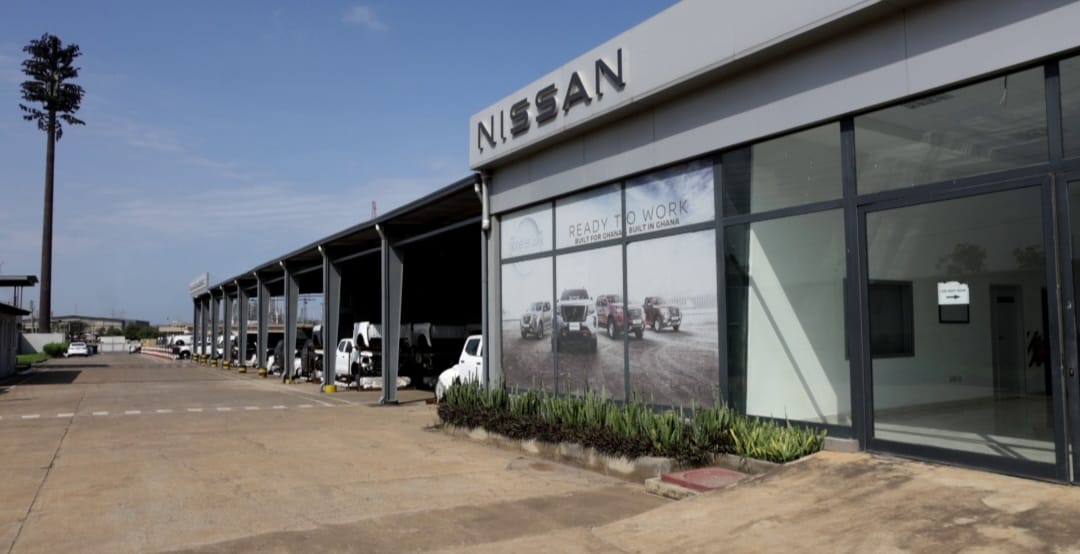
Some global vehicle assembly companies operating in Ghana have reported a slowdown in production following the removal of the Value Added Tax (VAT) exemption on locally assembled vehicles.
They warned that maintaining the 20 per cent VAT could compel local assemblers to reduce production, scale down operations and place hundreds of skilled engineering jobs at risk.
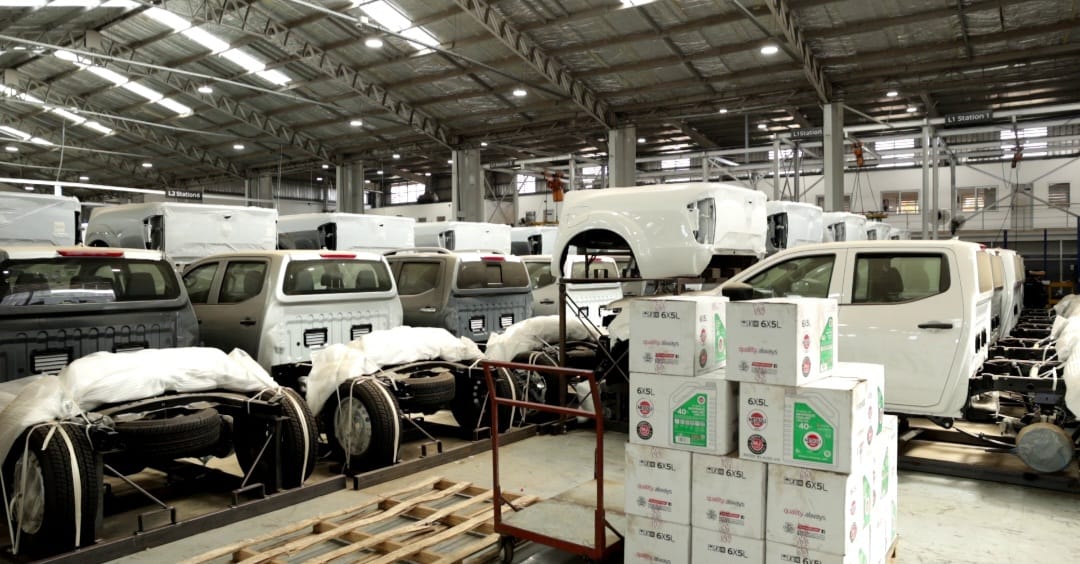 In 2018, the Government of Ghana introduced the Ghana Automotive Development Policy to attract global vehicle manufacturers to establish assembly plants in the country. The policy offered several incentives, including a zero percent VAT on locally assembled vehicles and import duty concessions of between five and 10 percent on components, making local vehicle assembly more competitive.
However, industry players say the removal of the VAT exemption is already taking a toll on production.
At the Japan Motors Assembly Plant in Tema, where Nissan, Foton, Peugeot and Geely vehicles are assembled, Vehicle Assembly Plant Manager Emmanuel Jason-Solomon Penneh said the company has been unable to increase its production target this year because of the policy change.
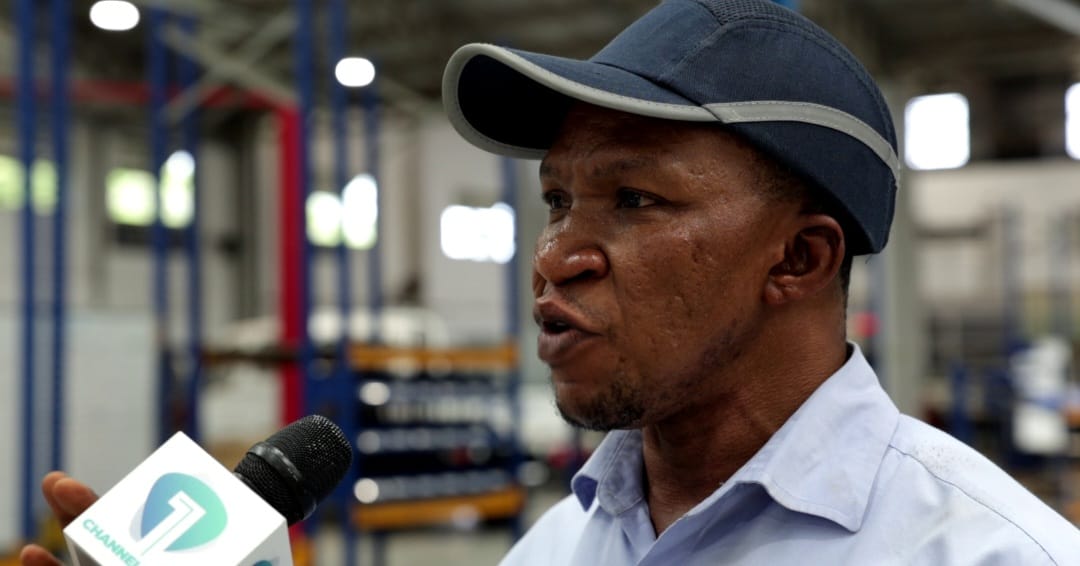
“Last year we did close to 1,500. This year we intended to do more but with the government’s change of policy, where they took the VAT component out, it has reduced local production and made our prices uncompetitive. Because they have taken the VAT away, it has reduced the volume of our production. Even with that, we are still doing about 138 vehicles per month,” he said.
Mr. Penneh appealed to the government to restore the VAT exemption, arguing that it would make locally assembled vehicles more competitive, boost production and increase sales.
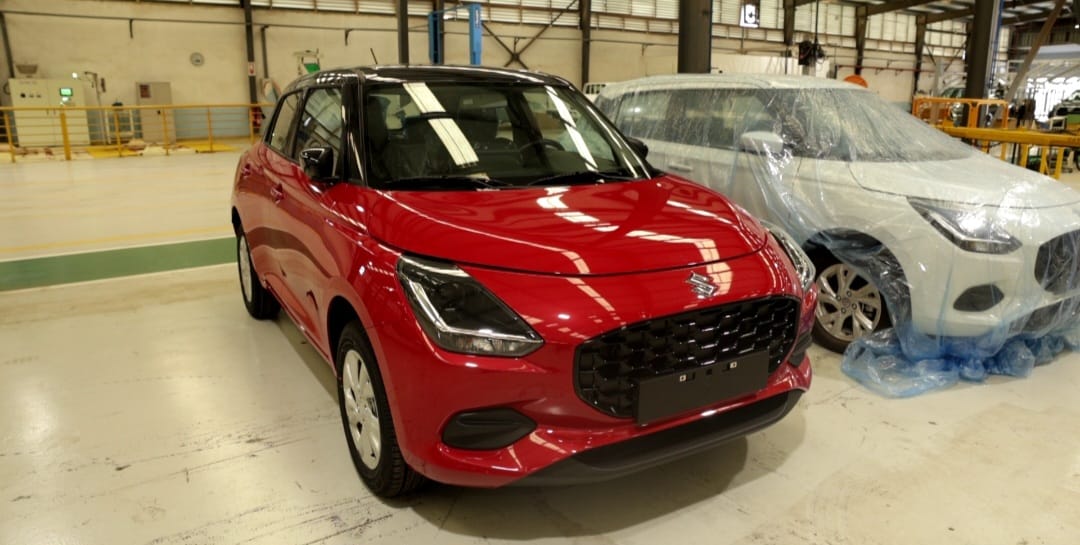
“The government should maintain the VAT exemption for assembly plants until a new policy is introduced,” he added.
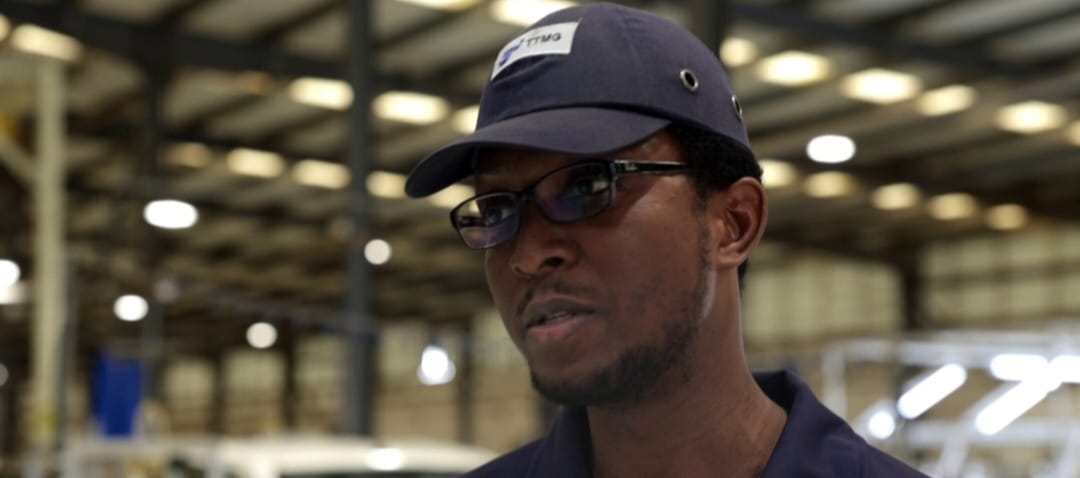
Meanwhile, Deputy Factory Manager at Toyota Tsusho Manufacturing Company Limited, Nii Arday Arday, expressed concern over persistent delays in clearing imported components at Ghana’s ports. He said the situation continues to disrupt production schedules and affect the company’s operations.
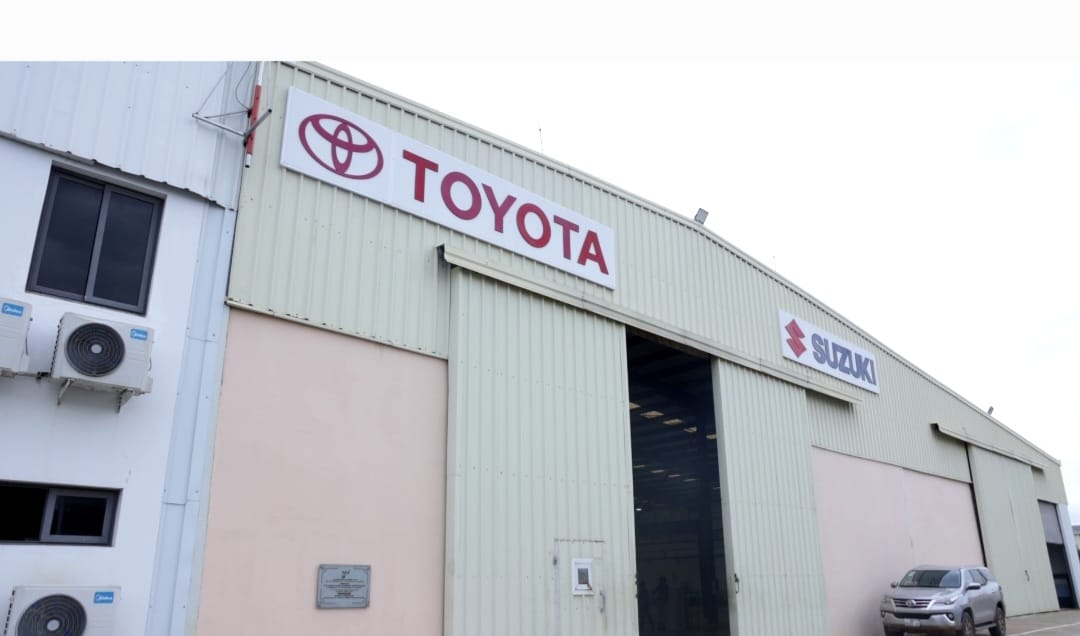 “We sometimes face challenges at the ports in clearing our goods. The delays slow down our production, but we continue to work hand in hand with the government to resolve these issues and stabilise operations,” he said.