Ghana’s Gold Board generated over $10 billion from gold exports in 2025, a performance the Ministry of Finance says played a key role in strengthening the local currency and boosting the country’s external position.
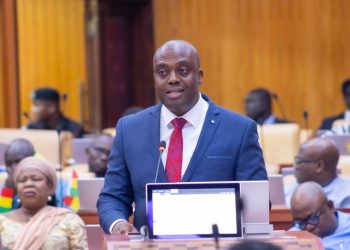
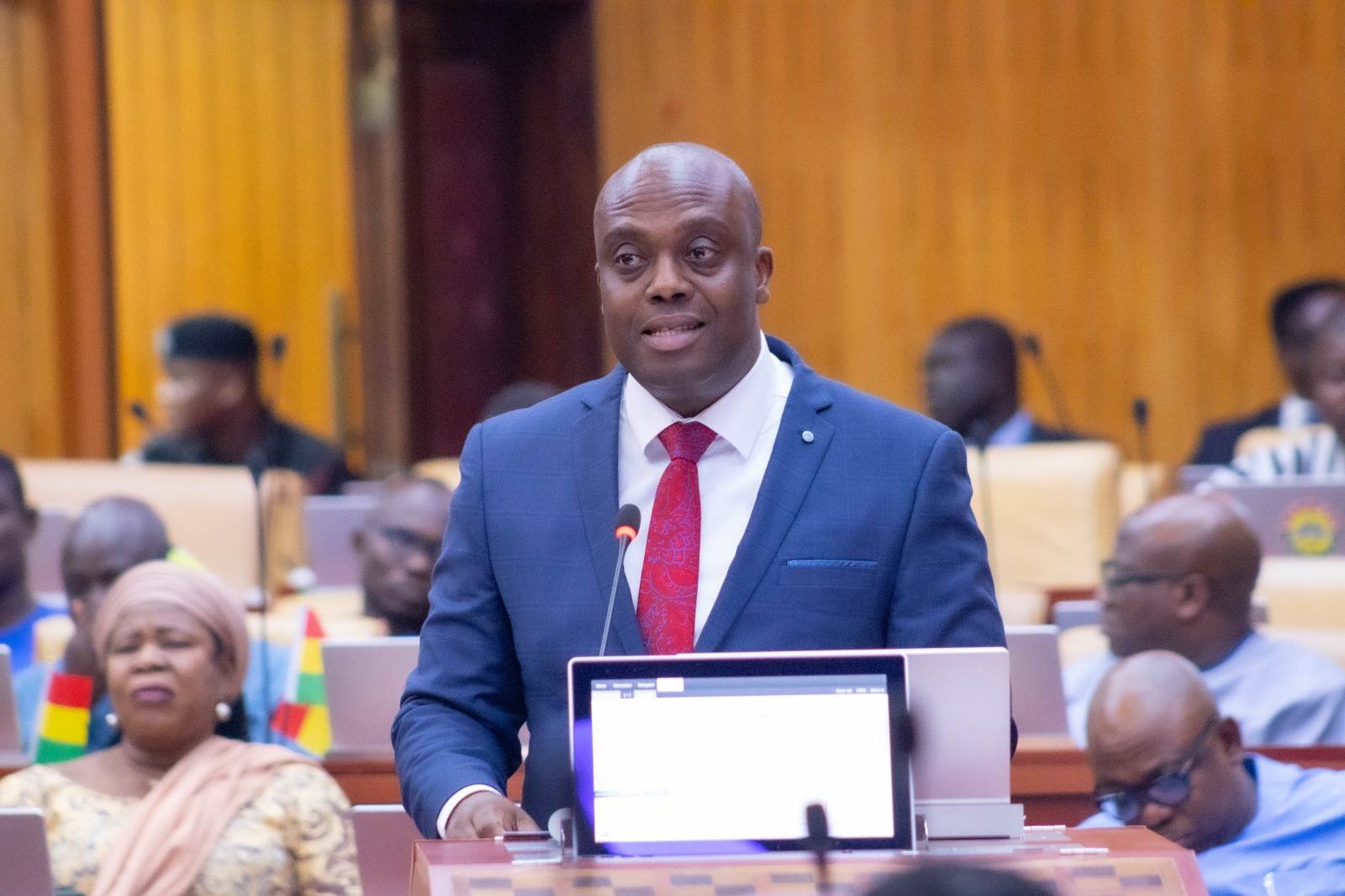
The Deputy Minister of Finance, Thomas Nyarko Ampem, disclosed this in Parliament on Wednesday, June 24, while outlining the impact of the Gold Board’s operations on the economy.
According to him, the Gold Board exported 104 metric tonnes of artisanal and small-scale mining (ASM) gold in 2025, which earned the country more than $10 billion in foreign exchange.
“Last year, 2025, the Gold Board cumulatively purchased, aggregated and exported ASM gold totaling 104 metric tons, which generated in excess of 10 billion United States dollars for the country,” he said.
Mr Ampem told Parliament that the strong performance of the sector contributed significantly to macroeconomic stability, particularly the appreciation of the cedi.
“This singular achievement of the Gold Board was critical in the appreciation of the Ghana cedi by about 41 percent against the U.S. dollar in 2025, and in increasing foreign reserves from about $8.98 billion in December 2024 to $13.8 billion by end of December 2025,” he stated.
He further revealed that between January 2025 and May 2026, the Gold Board spent approximately $16.1 billion on gold purchases, with $9.8 billion expended in 2025 alone.
“From January 2025 to May 2026, the Gold Board expended approximately $16.1 billion on the purchase of gold, of which $9.8 billion was used between January and December 2025,” he said.
Mr Ampem explained that government is deliberately reforming the gold sector to ensure greater transparency and national benefit from mineral resources.
“The bigger policy point is that government is deliberately shifting Ghana from a regime where gold wealth was dispersed, underpriced and smuggled through the Gold Board. We have a regime where gold is transparently aggregated, assayed, refined, exported and turned into foreign exchange and reserves for the Republic, with visible and tangible benefits for the entire country,” he added.
He also noted that GoldBod purchased a total of 135.843 metric tonnes of gold over the period, with the bulk sourced from the artisanal and small-scale mining sector.