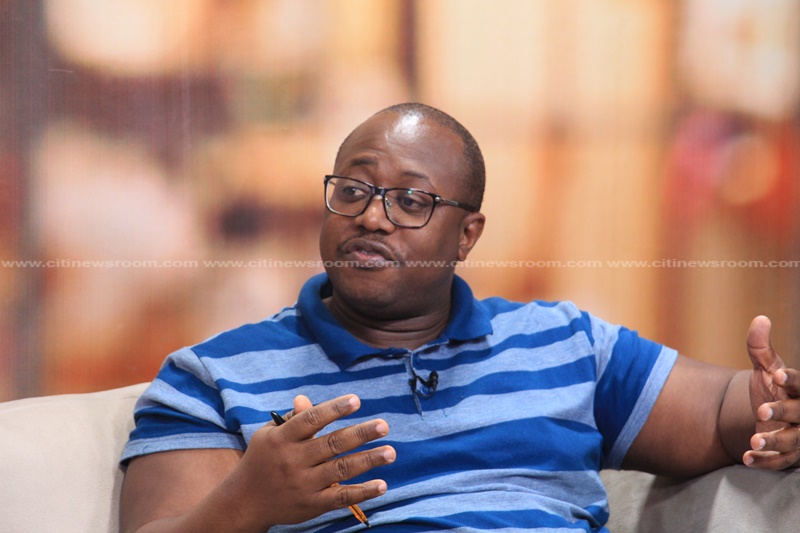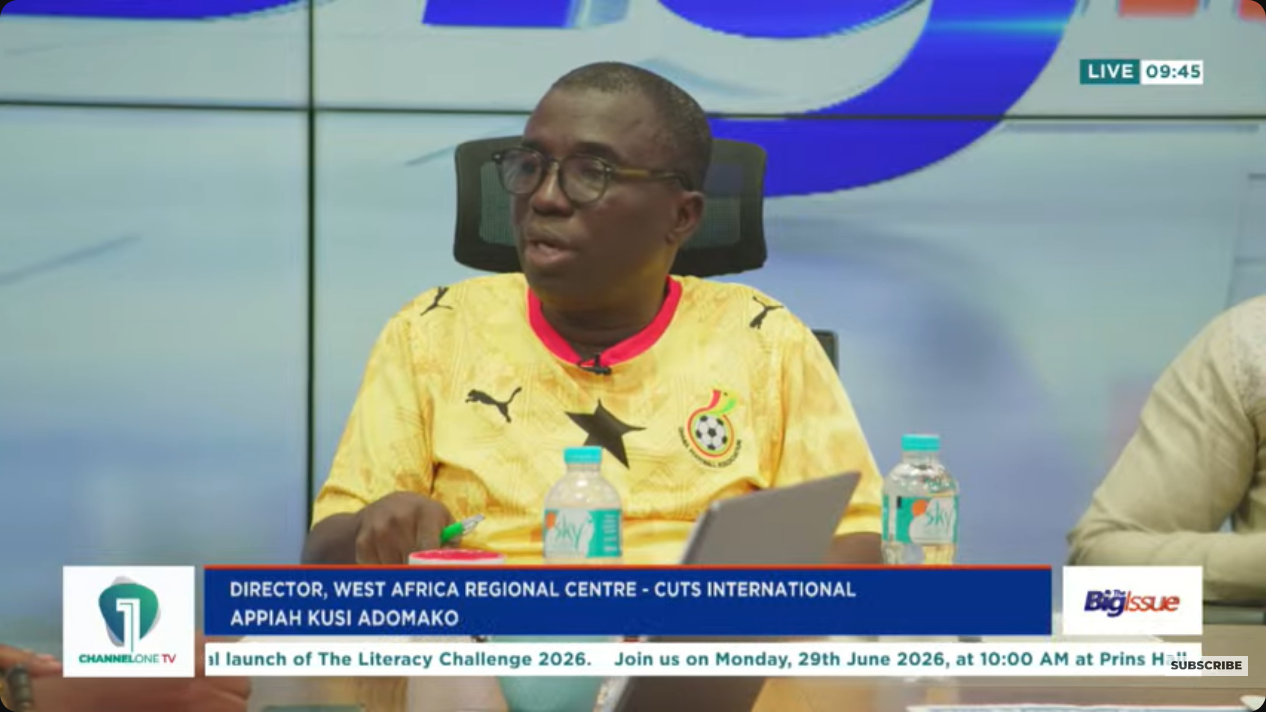
The Director of the West Africa Regional Centre of CUTS International, Appiah Kusi Adomako, has described the latest electricity tariff adjustment approved by the Public Utilities Regulatory Commission (PURC) as justified, citing prevailing economic conditions and structural factors within Ghana’s power sector.
According to him, the tariff review reflects key economic variables that continue to influence the cost of electricity generation and supply, particularly exchange rate movements and the country’s heavy reliance on thermal power.
This comes after the tariff regulator announced an upward review of electricity and water tariffs, with consumers set to pay more for utility services from July 1, 2026.
Under the Commission’s third-quarter tariff review, electricity tariffs have been increased by 3.49 per cent across the board, while water tariffs have been adjusted upward by 0.85 per cent.
Speaking on The Big Issue on Channel One TV on Saturday, June 27, 2026, Mr. Adomako said the basis for the adjustment aligns with sector realities and should not be politicised.
“I think from the PURC’s reasons, I think it is justified. It is justified,” he said.
He explained that Ghana’s generation mix, which is heavily dependent on thermal sources, estimated at about 80 percent, makes electricity pricing highly sensitive to external shocks, especially foreign exchange fluctuations that affect fuel procurement.
Mr. Adomako cautioned that electricity tariff decisions should be treated as an economic issue rather than a political one, warning that politicisation of tariff reviews could worsen financial pressures in the energy sector.
He maintained that periodic tariff adjustments are necessary to reflect underlying cost structures and ensure the sustainability of power supply, even as broader reforms are needed to address inefficiencies such as system losses and power theft.