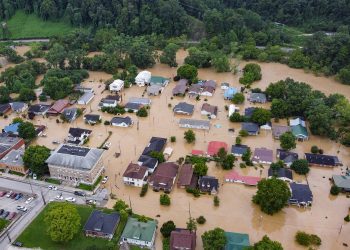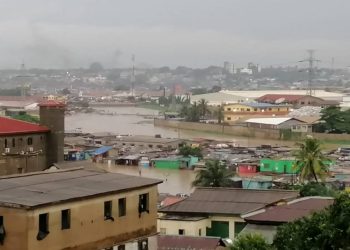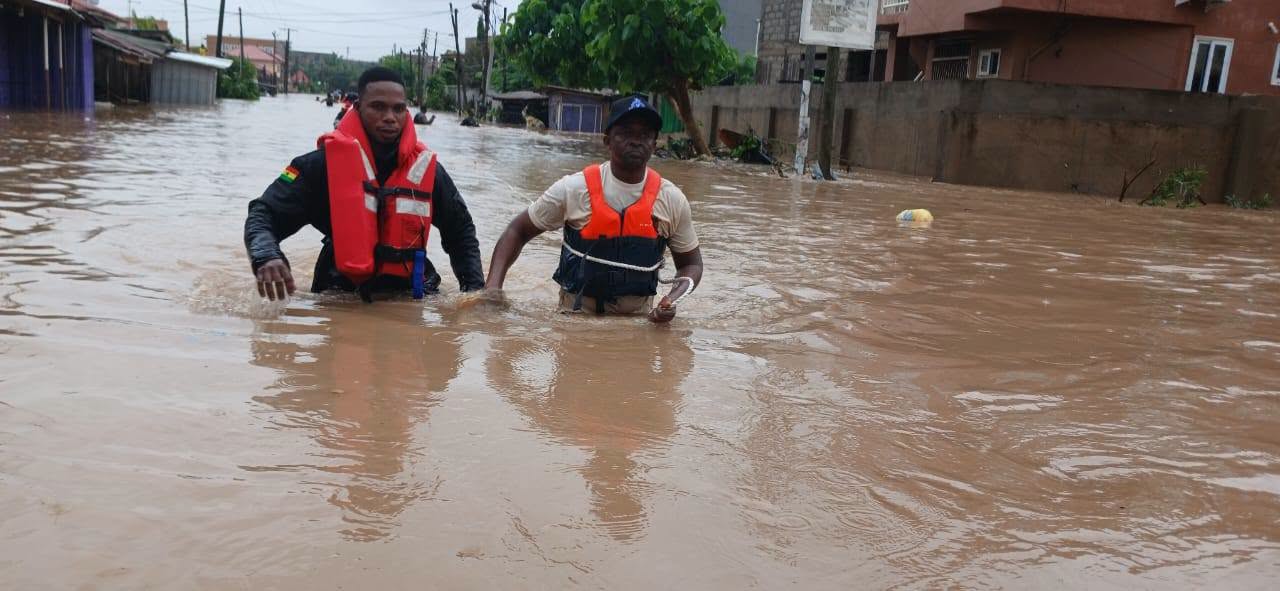
The Coordinator of the Greater Accra Resilient and Integrated Development (GARID) Project, Dr. Ohene Sarfoh, has attributed Accra’s worsening flood situation partly to political interference and weak enforcement of planning regulations, saying the country’s patronage system continues to undermine efforts to protect waterways and prevent illegal developments.
According to him, while Ghana has laws governing physical planning and development, enforcement agencies are often unable to apply them consistently because influential individuals intervene to shield offenders.
“We should get away from this patronage system where one person gets into a problem and then an uncle, a father, a mother or somebody intervenes, thereby undermining the law,” he said in an interview on the Citi Breakfast Show on Tuesday, June 30, 2026.
Dr. Sarfoh said the failure to enforce planning regulations has encouraged widespread encroachment on waterways and flood-prone areas, making flooding more severe whenever heavy rains occur.
He stressed that authorities must prioritise prevention by ensuring developments are kept away from watercourses instead of waiting until buildings have been completed before taking action.
“We also have to do development control. We need to keep development away from certain areas. Perhaps there should be more emphasis on prevention than demolition.”
He noted, however, that where illegal structures have already been erected on waterways, demolition cannot be ruled out.
“If encroachment has already occurred, we cannot say demolition has a minimal effect after the fact, so we should not do it.”
The GARID Coordinator disclosed that inspections have revealed extensive obstruction of natural drainage channels by private developments.
“We have video footage that shows the extent to which people are actually not just reducing the size of the streams but actually blocking them entirely and building over them.”
He explained that storm drains are part of larger river systems and therefore require adequate space to function effectively during periods of heavy rainfall.
“These storm drains are part of river systems, and therefore you need to give them their room.”
Dr. Sarfoh also called for stronger collaboration among planning authorities, local assemblies and law enforcement agencies to ensure regulations are enforced without fear or favour.
He argued that unless Ghana overcomes political interference and consistently applies planning laws, investments in drainage infrastructure alone will not significantly reduce flooding.
According to him, protecting waterways through strict enforcement and responsible urban planning is essential if Accra is to minimise the impact of future floods.