An environmental scientist, Professor Chris Gordon, has called for government officials who approved developments on wetlands and waterways to be held personally accountable for Ghana’s worsening flood crisis, saying authorities must trace approval documents and sanction those responsible for decisions that have exposed communities to recurring disaster.
He said the country’s flooding problem is not only a result of heavy rainfall but also the outcome of administrative decisions that allowed construction in flood-prone areas, particularly wetlands and mangrove ecosystems.
“We should follow those documents, find out who signed that particular document, and have them brought to book,” Prof. Gordon said on the Citi Breakfast Show on Tuesday, June 30, 2026.
“They will say that they did nothing wrong. But the fact is that they have created a disaster that is going to cost millions just because of their signature,” he added.
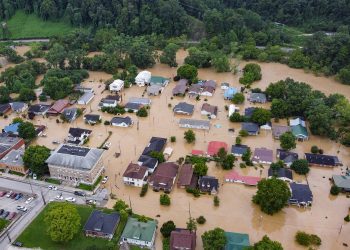
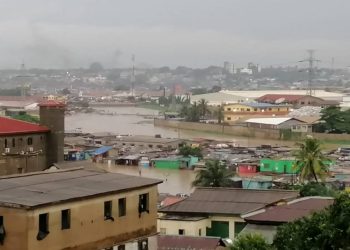
His remarks come in the wake of severe flooding in Accra following torrential rains that submerged homes, disrupted transport networks and triggered emergency responses across several communities.
Prof. Gordon argued that enforcement failure and poor planning decisions have significantly worsened the impact of flooding, pointing in particular to unchecked development on wetlands and floodplains.
He also questioned approvals granted for large-scale developments in sensitive ecological zones, warning that such decisions continue to place residents at risk while increasing the financial burden on the state after every major rainfall event.
According to him, Ghana’s flood crisis reflects long-standing governance gaps rather than isolated environmental events.
“Everything goes with impunity left and right,” he said, stressing that the consequences of such decisions are now being borne by ordinary citizens rather than those responsible for approving the developments.
Prof. Gordon’s comments add to growing public debate over urban planning, enforcement of environmental regulations and accountability within local and metropolitan assemblies, as Accra continues to experience repeated flooding during heavy rains.