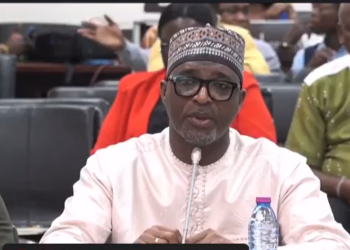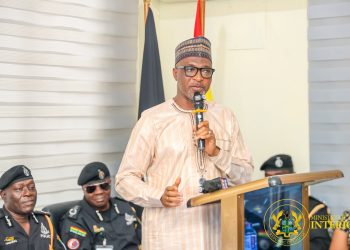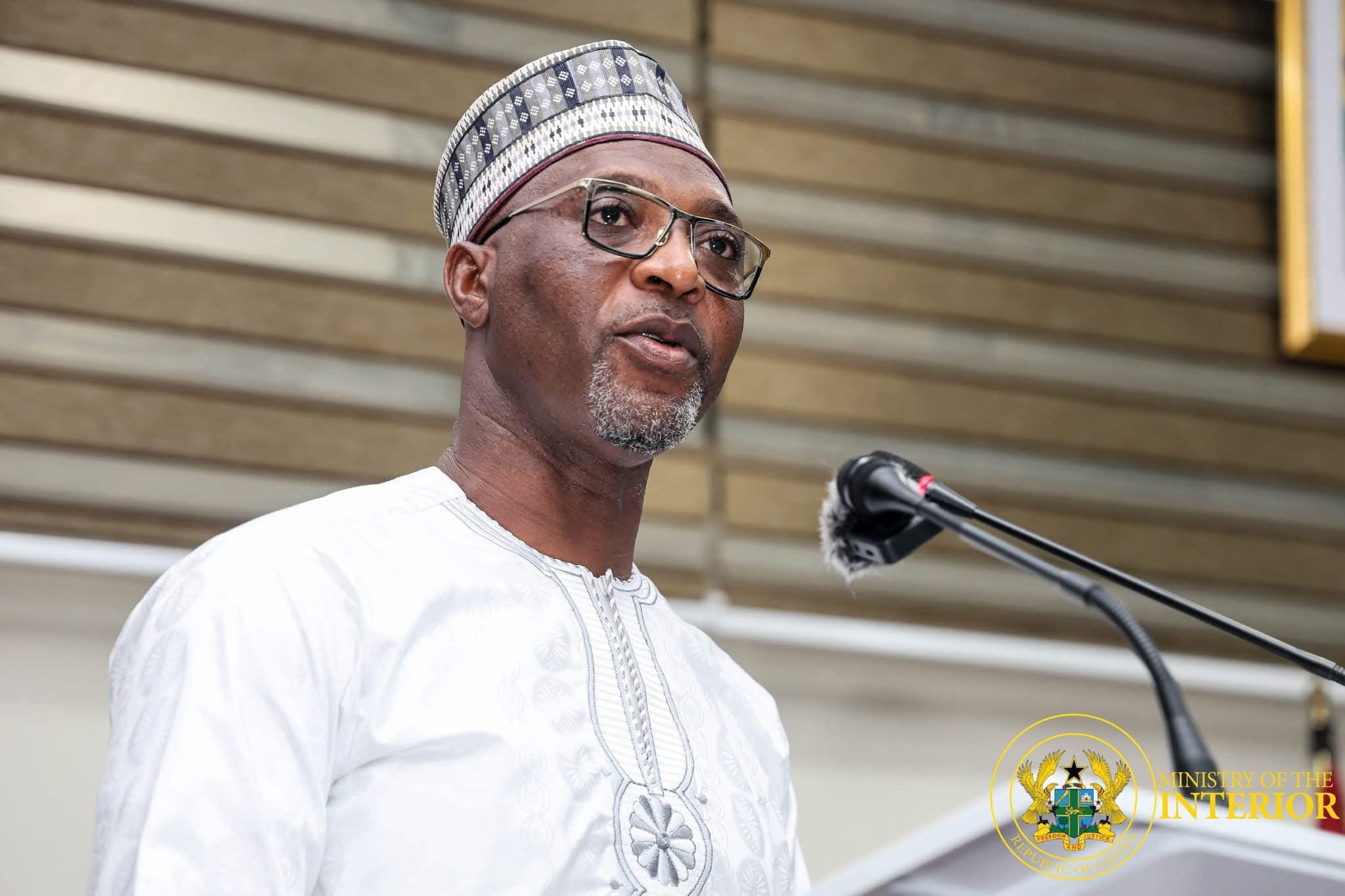
The Minister of the Interior, Muntaka Mohammed-Mubarak, has disclosed that the government has identified 102 unapproved routes in the Volta Region alone as part of growing concerns over Ghana’s porous borders and the potential use of illegal crossings for criminal activities, including drug trafficking.
He said that the discovery highlights the scale of the challenge facing security agencies in securing Ghana’s borders.
Appearing before Parliament’s Assurances Committee on Tuesday, July 7, 2026, Mr Mubarak said Ghana currently has 48 legitimate border crossing points but faces a much bigger challenge from unapproved routes along the country’s frontiers.
“We have 48 legitimate crossing points into our country,” he said, adding, “But the illegitimate ones, because of the time, to make sure that we secure our borders. We are shocked to realise that the last time I was in the Volta Region alone, we’ve identified 102 unapproved routes.”
The Minister said the challenge extends beyond the Volta Region, as other regions sharing borders with neighbouring countries also have numerous unapproved entry points.
He mentioned the Upper East, Upper West, Bono and Western regions as areas that also require attention because of their proximity to neighbouring countries.
Mr Mubarak warned that failure to secure these routes could allow Ghana to become a transit point for international criminal networks.
“If we don’t focus on trying to secure even these unapproved routes, what is going to simply happen is that we’ll become a transit point, they can use us as a transit point,” he said.
He explained that criminal networks could bypass major entry points and use unofficial routes to move illicit goods into and through Ghana.
The Interior Minister said security agencies had responded by establishing strategic inland checkpoints to complement border monitoring efforts.
He acknowledged concerns from some members of the public over the number of checkpoints but said they were necessary tools for intelligence gathering and national security.
“As we speak, we have about 63 inland checkpoints,” he said.
Mr Mubarak urged security personnel operating the checkpoints to minimise inconvenience to travellers while relying more on intelligence-led operations.
He said Ghana’s border security efforts require cooperation from citizens, particularly through the sharing of information with the security agencies.