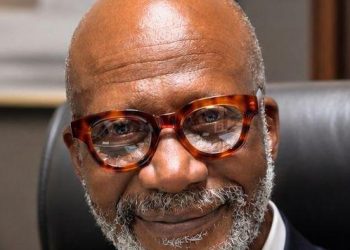
Ghana’s repeated flooding disasters show that solutions implemented over the years have failed to address the underlying causes of the crisis, a Political Scientist and Research Fellow at the Centre for Democratic Development (CDD-Ghana), Dr. John Osae-Kwapong, has said.
His comments come amid the ongoing National Clean-up Exercise, which began on Friday, July 10, 2026, following recent flooding that caused loss of lives and property in parts of the country.
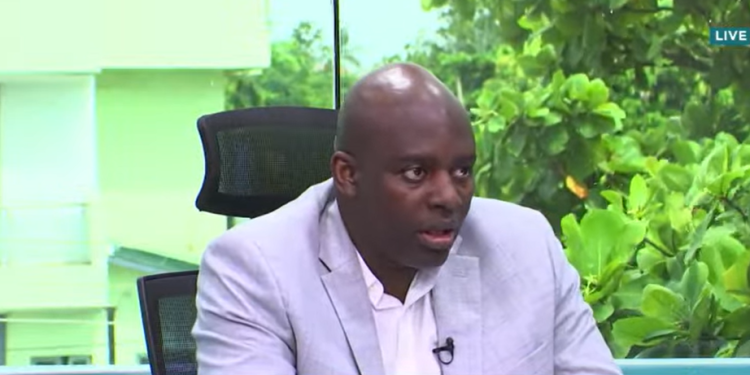
Speaking on The Big Issue on Channel One TV on Saturday, July 11, Dr. Osae-Kwapong said the recurring nature of Ghana’s flooding challenges suggests that previous interventions have not provided lasting solutions.
He recalled that concerns about flood-prone areas had existed for decades, noting that warnings about vulnerable communities had been raised since his childhood.
Dr. Kwapong said the devastating June 3, 2015 flood disaster and the latest flooding incident, a decade later, demonstrate the need for a more comprehensive approach beyond periodic cleanup exercises.
“As far back as I was in primary school, so this is at least 40 to 45 years ago, whenever it would rain very heavily, you would always hear stories of the suspect areas that would become vulnerable to the rains overwhelming them.
“You fast forward to 2015 when that unfortunate incident happened, and a decade later, we’ve had another unfortunate flooding that has resulted in loss of life and property, which tells me that whatever solutions we have tried over the years, it’s still falling short,” he said.
He argued that flooding and sanitation challenges are complex problems requiring multiple interventions, including improved waste management, proper urban planning and enforcement of regulations.
“Every public problem is multifaceted in nature, so you need a multidimensional solution to it,” he said.
Dr. Kwapong stressed that while national cleanup exercises and the involvement of government officials were important, they could not replace long-term institutional reforms needed to prevent recurring disasters.
He said stronger local government systems would be critical in addressing sanitation challenges, enforcing building regulations and protecting waterways from encroachment.
“The one thing, though, that is on my mind is how our local governments can be the point people to really address some of these sanitation issues, but also enforce the other structural-related issues in terms of where people put up structures and where they shouldn’t,” he said.
Dr. Kwapong maintained that without effective enforcement of existing regulations, Ghana would continue to struggle with the same challenges whenever heavy rains occur.
“You can come up with the great plans, beautiful laws, beautiful regulations, but if you don’t enforce them without fear or favour, then you also wouldn’t make headway in some of these challenges that we continue to face whenever we are overwhelmed by the rains,” he said.