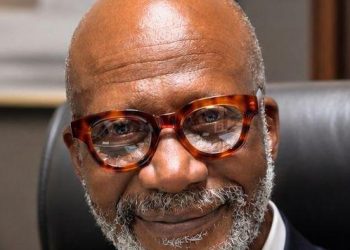
Veteran U.S. Senator Lindsey Graham, a prominent Republican lawmaker from South Carolina and one of President Donald Trump’s closest allies in Congress, has died at the age of 71 following a “brief and sudden illness.”
In a statement posted on X on Sunday, July 12, Graham’s office announced his passing. According to NBC News, emergency responders were called to his Capitol Hill residence on Saturday night following reports of a cardiac arrest.
President Donald Trump led tributes to the late senator, describing him as “one of the greatest people and senators I have known” and praising him as a dedicated patriot who worked tirelessly in service to the United States.
Graham’s political relationship with Trump evolved significantly over the years. During the 2016 presidential campaign, he was among Trump’s sharpest Republican critics, arguing that any electoral defeat would reflect shortcomings in Trump’s campaign rather than a “rigged” system.
However, after Trump assumed office, Graham became one of his most steadfast allies in the Senate. Despite that loyalty, he publicly criticised Trump’s decision in early 2025 to pardon about 1,500 people convicted over the January 6, 2021 attack on the U.S. Capitol, warning that the move could encourage future violence.
Throughout his career, Graham was recognised as a leading voice on U.S. national security and foreign policy. A strong advocate for military engagement, he consistently supported policies aimed at strengthening America’s long-term security interests and was an outspoken supporter of Israel and Ukraine while maintaining a hardline stance against Iran.
His death prompted tributes from international leaders. Israeli Defence Minister Israel Katz said he was deeply saddened by Graham’s passing, describing him as a steadfast friend who stood with Israel during some of its most challenging moments.
Just days before his death, Graham visited Kyiv, where he met Ukrainian President Volodymyr Zelenskyy to discuss Ukraine’s air defence needs and proposed sanctions against Russia. During the visit, he argued that China could play a decisive role in persuading Russia to engage in peace negotiations, saying Beijing held significant influence over the outcome of the conflict.
First elected to the U.S. Senate in 2002 after serving in the U.S. House of Representatives since 1995, Graham most recently chaired the Senate Budget Committee and also served on the Senate Appropriations, Judiciary, and Environment and Public Works Committees. He was unmarried and lived in Seneca, South Carolina.