• About Us
  • Privacy Policy
  • Terms of Use
  • Breaking News
  • Explainers
  • Listen Live
Sunday, June 7, 2026
Citinewsroom - Comprehensive News in Ghana
Advertisement
  • Home
  • News
    • Regional News
      • Ahafo Region
      • Ashanti Region
      • Bono East Region
      • Bono Region
      • Central Region
      • Eastern Region
      • Greater Accra Region
      • Northern Region
      • North East Region
      • Oti Region
      • Savanna Region
      • Upper East Region
      • Upper West Region
      • Volta Region
      • Western Region
      • Western North Region
  • Sports
  • Politics
  • Business
  • Entertainment
  • Articles
  • Explainers
  • Editorials
No Result
View All Result
Citinewsroom - Comprehensive News in Ghana
  • Home
  • News
    • Regional News
      • Ahafo Region
      • Ashanti Region
      • Bono East Region
      • Bono Region
      • Central Region
      • Eastern Region
      • Greater Accra Region
      • Northern Region
      • North East Region
      • Oti Region
      • Savanna Region
      • Upper East Region
      • Upper West Region
      • Volta Region
      • Western Region
      • Western North Region
  • Sports
  • Politics
  • Business
  • Entertainment
  • Articles
  • Explainers
  • Editorials
No Result
View All Result
Citinewsroom - Comprehensive News in Ghana
No Result
View All Result

MoFA to partner Standards Authority to deal with Aflatoxins menace

Ernest ArhinfulbyErnest Arhinful
February 26, 2020
Reading Time: 2 mins read
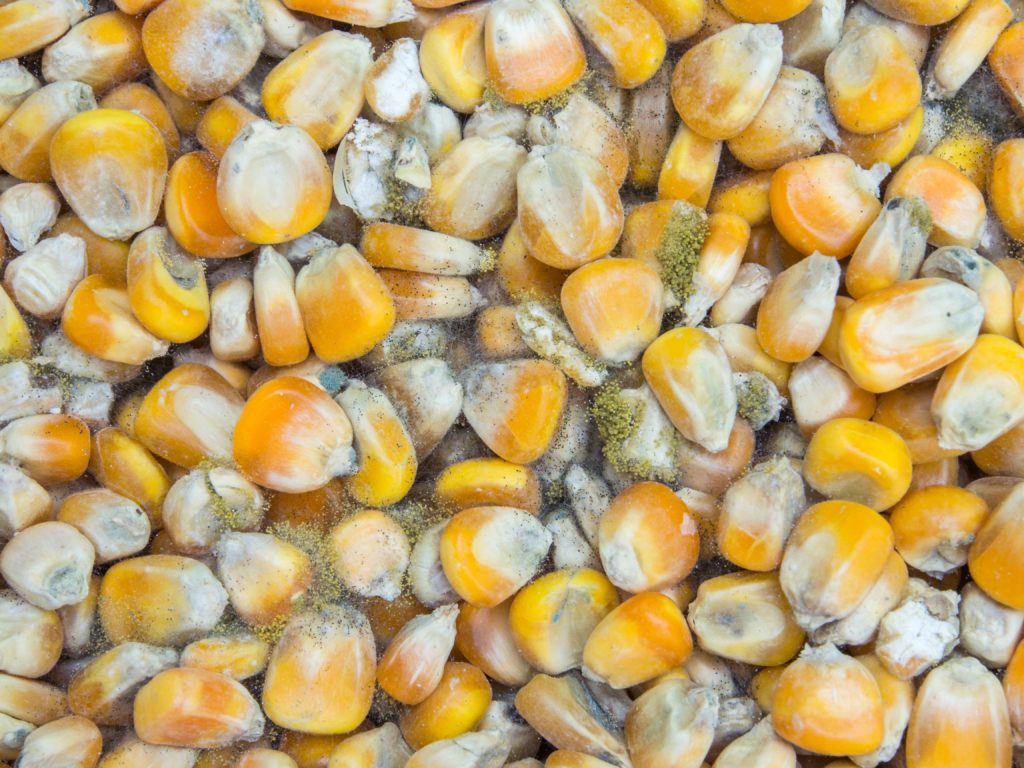
Photocredit: GSA

Photocredit: GSA

ShareShareShareShare

The Ministry of Food and Agriculture says it is in talks with the Ghana Standards Authority to deal with aflatoxins in the country.

Aflatoxins have led to the rejection of the country’s grain exported to European countries.

Aflatoxins are a family of toxins produced by certain fungi that are found on agricultural crops such as maize, rice, peanuts, cottonseed, and tree nuts.

Reports indicate that the country received 46 notifications of Aflatoxins in food commodities from the European Union between 2018 and 2019.

The Director of Research and Crops at the Ministry of Food and Agriculture, Mr. Seth Osei Akoto said the Ministry is among other things, embarking on some exercises to tackle the issue.

“As we speak, the Ministry is aware and we are partnering with the Ghana Standards Authority to come out with standards to guide our various stakeholders on how to handle the grains and I have an officer who is part of that committee trying to educate the farmers and extension officers on how to handle the grains so that moving forward the country will not be involved in that particular issue they are raising.”

“First of all, we need standards to guide all those exporters of grains outside the country. And that is the mandate of the Ghana Standards Authority but they cannot do it alone because they don’t have the background to some of the things we do at the ministry level. What we thought we could do is to partner as a team. We will also go round educating farmers and our special assistants at the district levels on how to handle the grains after harvesting so that those who are interested in export will not have that challenge again,” he said.

Gov’t places ban on export of leafy vegetables, others

This is not the first time the European Union is raising concerns with products from Ghana.

The Ministry of Food and Agriculture in 2019 placed an indefinite ban on the export of all leafy vegetables to the international market following concerns from the EU.

Capsicum (green/bell pepper), Solanum and luffa were also included in the ban which took effect on June 1, 2019.

In a statement signed by the Director of the Plant Protection and Regulatory Services Directorate, the ministry said the suspension was due to “the high level of local interceptions at the exit points.”

It also noted that “the alarming rate of external notifications, and the new EU directives to all countries to re-provide dossiers to the EU on the management of harmful organisms on some of the above vegetables.”

Ghana has had to contend with bans on vegetable exports imposed by the European Union.

 

Tags: aflatoxinsGhana NewsGhana Standards AuthorityMinistry of Agriculture
ShareTweetSendSend
Previous Post

Speaker not trying to gag media – Parliament

Next Post

Police probe alleged beating of Sunyani residents over funeral attire

Related Posts

Featured

KATH crisis unfortunate, CEO’s suspension carefully considered — Health Ministry

June 7, 2026
Featured

Ghanaians expect credible cocoa policy alternative from Bawumia — Annoh-Dompreh

June 7, 2026
Featured

Avenor building collapse: Rescue operation ends, death toll stands at two

June 7, 2026
Featured

South Africans are not xenophobic – Ramaphosa

June 7, 2026
South African President Cyril Ramaphosa
Featured

Enforcement alone won’t solve migration challenges — Ramaphosa

June 7, 2026
New Patriotic Party (NPP) flagbearer, Dr. Mahamudu Bawumia
Featured

Bawumia prepares policy alternative for cocoa sector

June 7, 2026
Next Post
File photo

Police probe alleged beating of Sunyani residents over funeral attire

ADVERTISEMENT
Citinewsroom - Comprehensive News in Ghana

CitiNewsroom.com is Ghana's leading news website that delivers high quality innovative, alternative news that challenges the status quo.

Archives

Download App

Download

Download

  • About Us
  • Privacy Policy
  • Terms of Use
  • Breaking News
  • Explainers
  • Listen Live

© 2024 All Rights Reserved Citi Newsroom.

No Result
View All Result
  • Home
  • News
    • Regional News
      • Ahafo Region
      • Ashanti Region
      • Bono East Region
      • Bono Region
      • Central Region
      • Eastern Region
      • Greater Accra Region
      • Northern Region
      • North East Region
      • Oti Region
      • Savanna Region
      • Upper East Region
      • Upper West Region
      • Volta Region
      • Western Region
      • Western North Region
  • Sports
  • Politics
  • Business
  • Entertainment
  • Articles
  • Explainers
  • Editorials

© 2024 All Rights Reserved Citi Newsroom.