• About Us
  • Privacy Policy
  • Terms of Use
  • Breaking News
  • Explainers
  • Listen Live
Friday, July 24, 2026
Advertisement
  • Home
  • News
    • Regional News
      • Ahafo Region
      • Ashanti Region
      • Bono East Region
      • Bono Region
      • Central Region
      • Eastern Region
      • Greater Accra Region
      • Northern Region
      • North East Region
      • Oti Region
      • Savanna Region
      • Upper East Region
      • Upper West Region
      • Volta Region
      • Western Region
      • Western North Region
  • Sports
    • World Cup
  • Politics
  • Business
  • Entertainment
  • Articles
  • Explainers
  • Editorials
No Result
View All Result
  • Home
  • News
    • Regional News
      • Ahafo Region
      • Ashanti Region
      • Bono East Region
      • Bono Region
      • Central Region
      • Eastern Region
      • Greater Accra Region
      • Northern Region
      • North East Region
      • Oti Region
      • Savanna Region
      • Upper East Region
      • Upper West Region
      • Volta Region
      • Western Region
      • Western North Region
  • Sports
    • World Cup
  • Politics
  • Business
  • Entertainment
  • Articles
  • Explainers
  • Editorials
No Result
View All Result
No Result
View All Result

Gov’t must bridge gender gap to deepen Ghana’s democracy – Takyiwaa Manuh

Delali Adogla-BessabyDelali Adogla-Bessa
August 30, 2019
Reading Time: 2 mins read
ShareShareShareShare

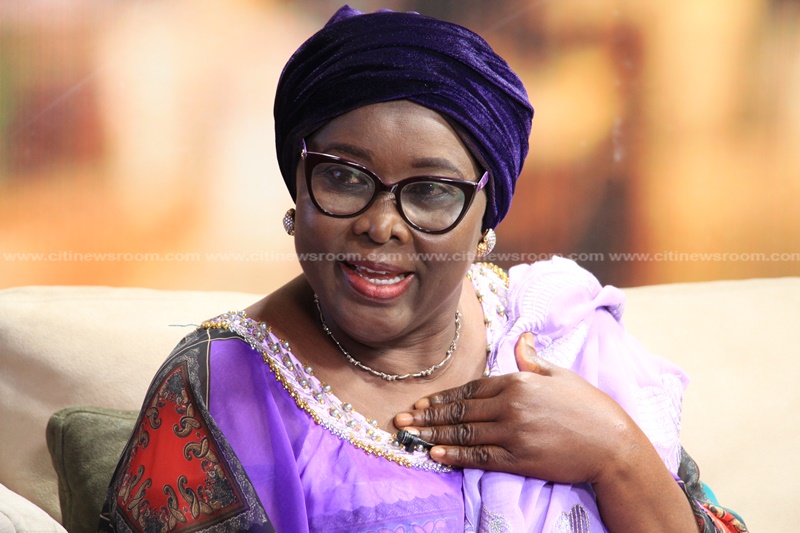
Professor Emerita Takyiwaa Manuh, a former Director for Social Development Policy Division at the UN, is demanding more decisive action from the state and governments to bridge the gender gap in Ghanaian society.

All these efforts will be in service of Ghana’s democratic credentials, she affirmed in her address at the 15th Kronti ne Akwamu Lecture organised by the Ghana Center for Democratic Development (CDD) on Thursday.

“To achieve the vision of leaving no one behind in the pursuit of inclusive and sustainable development as propounded in Agenda 2030 and accepted by Ghana as a signatory state, more decisive action is needed at state and other levels to ensure inclusive, effective and democratic participation for citizens.”
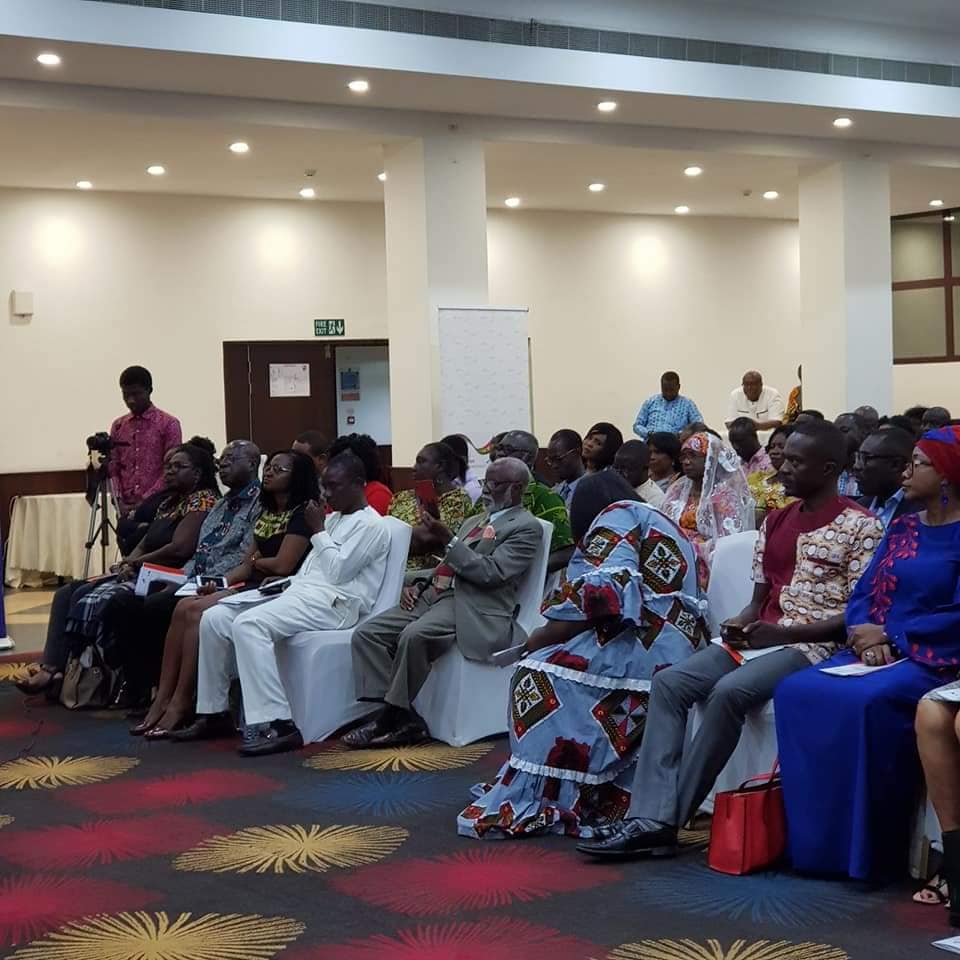
 

Prof. Manuh highlighted the disconnect between Ghana’s many commitments to gender parity on paper and the actual story on the ground.

According to her, “women’s poor showing in political and public life is a reflection of the pervasiveness of gender inequalities and is a barrier to promoting sustainable development.”

She observed that successive governments in Ghana have not exercised the strong political will to promote women in politics

She regards this point as a “key pre-requisite” for women to contribute to Ghana’s development.

“Ghana has subscribed to important policy documents, conventions and protocols at the continental and global levels on gender equality and women’s and youth rights. The 1992 Constitution as amended, with other relevant legislation, promises equal rights and opportunities for men and women.

“But as I hope the lecture has demonstrated, there is a gulf between the lofty aspirations in the Constitution and other documents, and the stark realities on the ground of continued and entrenched gender and youth disparities and inequalities in almost all areas of our national life.”
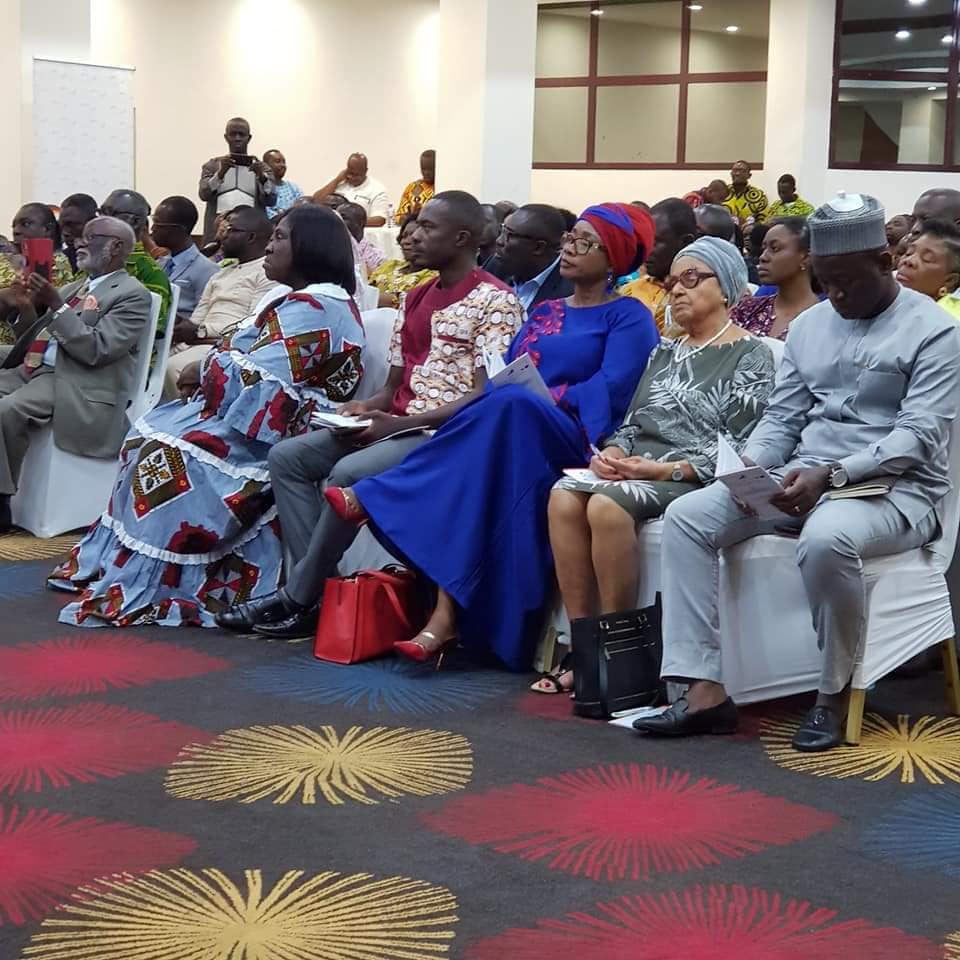
Though described as unimpressive, Prof Manuh was appreciative of consistent efforts that have “resulted in marginal improvements in gender parity.”

She referenced Ghana’s record of two female Chief Justice, a female Speaker of Parliament and the last two Electoral Commission heads as notable strides made in the last 11 years.

Speaking a day before a march by CSOs to push for the passing of the Affirmative Action Bill, Prof. Manuh urged advocates to also learn from the handling of past legislation that had women at heart.

“Given our experiences with the enactment of legislation that protect the rights of women and girls in the country such as the Domestic Violence Act and the Spousal and Property Rights Bill, it is critical that the proposed affirmative action legislation should be followed up with strong and persistent advocacy activities to ensure that the law is passed as soon as possible. Unlike other legislation in the country, both Bills have been subjected to unending nationwide consultations – it took more than 5 years to get the Domestic Violence Bill passed in 2007 into law the Constitution.”

She further stressed that affirmative action is a means to an end because it will provide “the opportunity for enhanced representation and participation of social groups such as women in public life.”

Tags: Gender ParityProfessor Emerita Takyiwaa Manuhwomen's activists
ShareTweetSendSend
Previous Post

Don’t sack JHS students over new uniforms – GES warns

Next Post

Gender Ministry petitioned over Affirmative Action Bill

Related Posts

Top Stories

65 aspirants to go unopposed in NPP parliamentary primaries

June 8, 2020
Sydney Casely-Hayford
Top Stories

Gender parity: Quality of representation more critical than quantity – Casely-Hayford

June 9, 2019
Minister for Local Government and Rural Development, Hajia Alima Mahama is one of the aspirants who was cleared
Top Stories

Gender parity debate: Hajia Alima urges tolerance from activists

June 8, 2019
International

Ethiopia: Half of Prime Minister’s new cabinet are women

October 16, 2018
Next Post

Gender Ministry petitioned over Affirmative Action Bill

ADVERTISEMENT
Citinewsroom - Comprehensive News in Ghana

CitiNewsroom.com is Ghana's leading news website that delivers high quality innovative, alternative news that challenges the status quo.

Archives

Download App

Download

Download

  • About Us
  • Privacy Policy
  • Terms of Use
  • Breaking News
  • Explainers
  • Listen Live

© 2024 All Rights Reserved Citi Newsroom.

No Result
View All Result
  • Home
  • News
    • Regional News
      • Ahafo Region
      • Ashanti Region
      • Bono East Region
      • Bono Region
      • Central Region
      • Eastern Region
      • Greater Accra Region
      • Northern Region
      • North East Region
      • Oti Region
      • Savanna Region
      • Upper East Region
      • Upper West Region
      • Volta Region
      • Western Region
      • Western North Region
  • Sports
    • World Cup
  • Politics
  • Business
  • Entertainment
  • Articles
  • Explainers
  • Editorials

© 2024 All Rights Reserved Citi Newsroom.