• About Us
  • Privacy Policy
  • Terms of Use
  • Breaking News
  • Explainers
  • Listen Live
Tuesday, July 21, 2026
Citinewsroom - Comprehensive News in Ghana
Advertisement
  • Home
  • News
    • Regional News
      • Ahafo Region
      • Ashanti Region
      • Bono East Region
      • Bono Region
      • Central Region
      • Eastern Region
      • Greater Accra Region
      • Northern Region
      • North East Region
      • Oti Region
      • Savanna Region
      • Upper East Region
      • Upper West Region
      • Volta Region
      • Western Region
      • Western North Region
  • Sports
    • World Cup
  • Politics
  • Business
  • Entertainment
  • Articles
  • Explainers
  • Editorials
No Result
View All Result
Citinewsroom - Comprehensive News in Ghana
  • Home
  • News
    • Regional News
      • Ahafo Region
      • Ashanti Region
      • Bono East Region
      • Bono Region
      • Central Region
      • Eastern Region
      • Greater Accra Region
      • Northern Region
      • North East Region
      • Oti Region
      • Savanna Region
      • Upper East Region
      • Upper West Region
      • Volta Region
      • Western Region
      • Western North Region
  • Sports
    • World Cup
  • Politics
  • Business
  • Entertainment
  • Articles
  • Explainers
  • Editorials
No Result
View All Result
Citinewsroom - Comprehensive News in Ghana
No Result
View All Result

Govt’s non-prosecution of culprits to blame for increased corruption – Vitus Azeem

Bervelyn LongdonbyBervelyn Longdon
July 28, 2022
Reading Time: 2 mins read
ShareShareShareShare

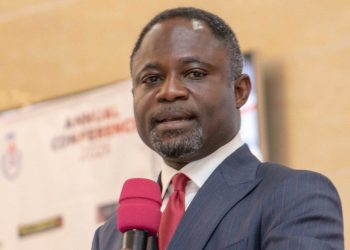
Anti-corruption crusader, Vitus Azeem has attributed the increasing rate of corruption in institutions to the lack of commitment on the part of government to ensure the prosecution of offenders.

According to him, institutions including the Office of the Auditor General have consistently released reports which expose corrupt practices by some officials.

These officials are however not tried in a court of law.

His comments follow a survey conducted by the Center for Democratic Development (CDD-Ghana) which revealed the ranking of top 10 state institutions perceived to be corrupt.

In an interview with Citi News, Vitus Azeem said government must show dedication by ensuring that corrupt officials face legal action.

“From 2020 to 2022, how many cases are before the courts from the Office of the Special Prosecutor? How much money has the Office recovered from corrupt practices? It is just not about the setting up of the institutions and claiming to be giving them money.”

“Every year, the Auditor General comes out with its report, and it ends there. How many people have been prosecuted from the audit report? Government has set up institutions and is financing them, and so if we are not seeing the results, it cannot boast that it has resourced them.”

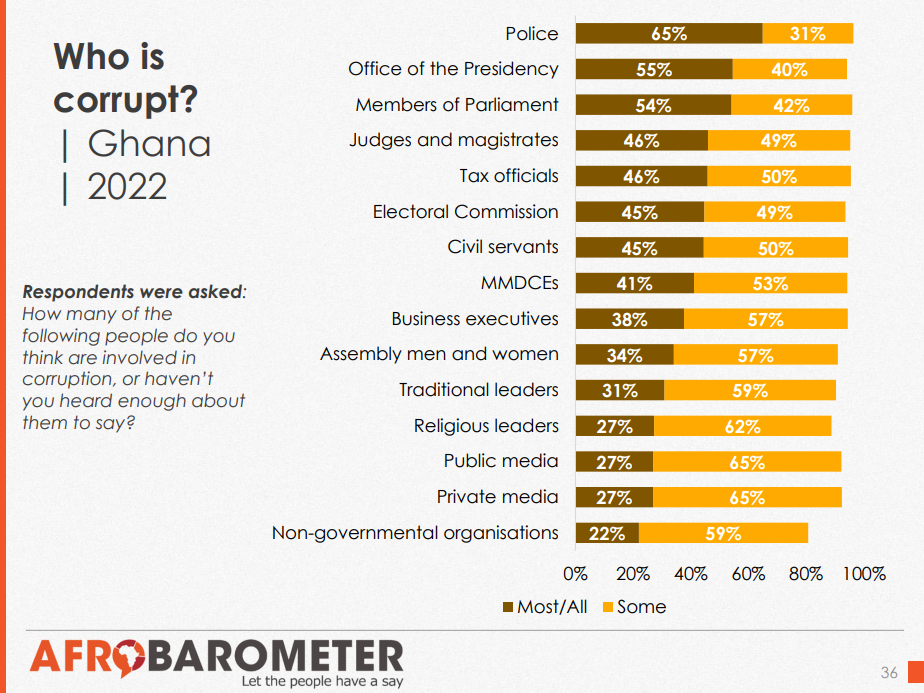
According to the Afrobarometer study undertaken by the CDD-Ghana, police are believed to be the most corrupt people in Ghana.

The Office of the Presidency followed in second place on the corruption perception.

For the police service, 65 percent of Ghanaians believe most police are corrupt, while 31 percent believe only some police are corrupt.

At the Presidency, 55 percent of Ghanaians said it was mostly corrupt, while 40 percent said it was partly corrupt.

Legislators, judges and magistrates and tax officials rounded up the top five perceived corrupt institutions.

At the bottom of the list, Non-governmental organisations, Private media and public media were viewed more favourably as being the least corrupt.
Per the report, 77 percent of Ghanaians believe corruption has increased.

This figure has risen from 53 percent of Ghanaians in 2019.

Only 6 percent of Ghanaians currently believe corruption is reducing.

In line with this, the most recent Corruption Perception Index released by Transparency International showed that Ghana has failed to make significant progress in its fight against corruption.

Between 2020 and 2021, Ghana maintained its score of 43, which is still below the average, with countries scoring higher viewed as less corrupt and those with the least scores being more corrupt.

As far as fighting corruption is concerned, fewer than 30 percent of Ghanaians believe that people can
report corruption without fear of retaliation, which is a decline of 4 percentage points compared to 2019.

Among key public institutions, the Ghana Armed Forces, religious leaders, traditional leaders, and the courts are the most trusted.

In general, trust in institutions declined between 2019 and 2022, with trust in the presidency declining by 25 percentage points.
 

Tags: CorruptionGhana News
ShareTweetSendSend
Previous Post

We need more prosecutions, sanctions to fight corruption – Mary Addah

Next Post

Contractors are heavily owed; resume collection of tolls to clear debts – Roads consultant to gov’t

Related Posts

Health Minister Kwabena Mintah Akandoh
Featured

Health Ministry dismisses false Ebola outbreak claims in Ghana

July 21, 2026
Black Stars
Featured

Black Stars climb eight places to 65th in latest FIFA rankings

July 21, 2026
Chief Executive Officer of the World Gold Council, David Tait
Business

Ghana, World Gold Council partner to formalise small-scale mining with $250k grant

July 21, 2026
Featured

Africa CDC: $1.4bn needed to stop Ebola outbreak

July 21, 2026
Featured

Africa loses over 50% of health funds through fraud, wastage – Jean Kaseya

July 21, 2026
Featured

Apply legal principles used in Tsatsu Tsikata case to Wontumi — Minority

July 21, 2026
Next Post

Contractors are heavily owed; resume collection of tolls to clear debts - Roads consultant to gov't

ADVERTISEMENT
Citinewsroom - Comprehensive News in Ghana

CitiNewsroom.com is Ghana's leading news website that delivers high quality innovative, alternative news that challenges the status quo.

Archives

Download App

Download

Download

  • About Us
  • Privacy Policy
  • Terms of Use
  • Breaking News
  • Explainers
  • Listen Live

© 2024 All Rights Reserved Citi Newsroom.

No Result
View All Result
  • Home
  • News
    • Regional News
      • Ahafo Region
      • Ashanti Region
      • Bono East Region
      • Bono Region
      • Central Region
      • Eastern Region
      • Greater Accra Region
      • Northern Region
      • North East Region
      • Oti Region
      • Savanna Region
      • Upper East Region
      • Upper West Region
      • Volta Region
      • Western Region
      • Western North Region
  • Sports
    • World Cup
  • Politics
  • Business
  • Entertainment
  • Articles
  • Explainers
  • Editorials

© 2024 All Rights Reserved Citi Newsroom.