
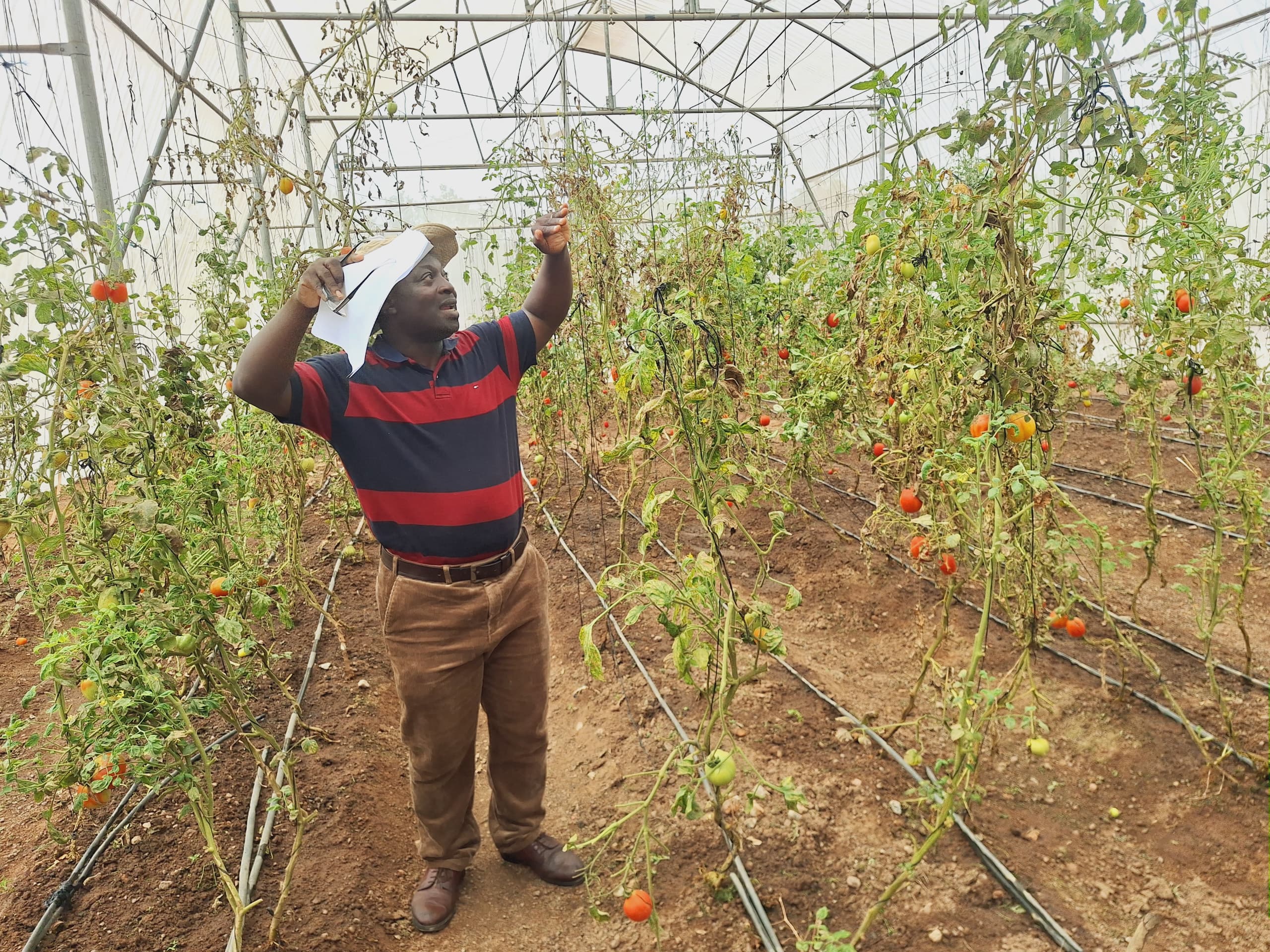
The West Africa Food System Resilience Programme (FSRP), under the Ministry of Food and Agriculture, has reaffirmed its commitment to tackling tomato shortages and reducing excessive imports during the dry season.
To stabilise market prices and enhance local production, the programme is implementing a Tomato Intensification Programme in key growing regions across Ghana.
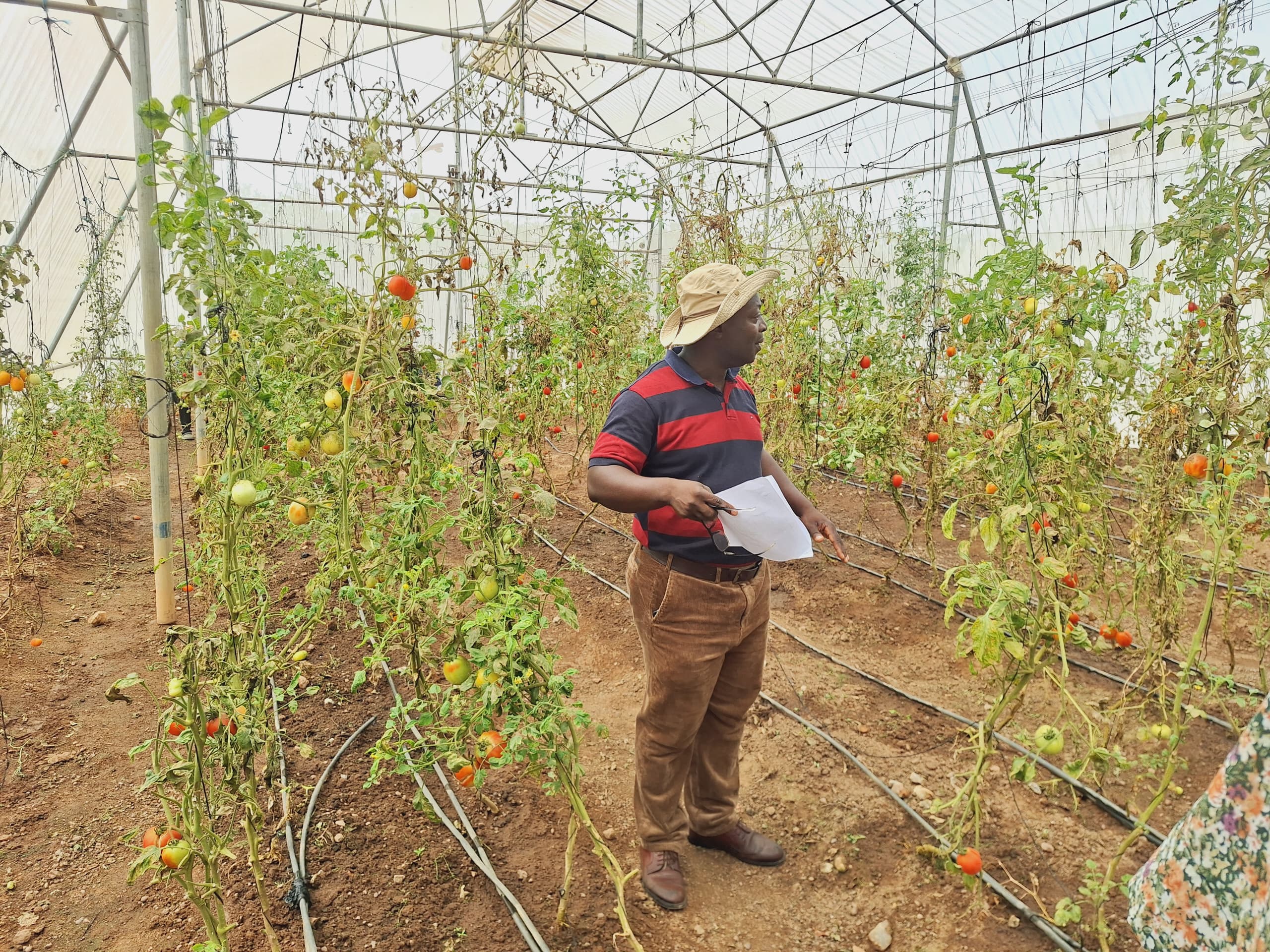 Tomatoes—whether fresh or processed—are a staple ingredient in nearly all Ghanaian dishes. Despite this, the country currently imports approximately 90% of its fresh tomatoes from Burkina Faso. This heavy reliance on imports has raised concerns among crop researchers and agricultural stakeholders, given Ghana’s potential to meet its own demand.
To address these challenges, including supply shortages and price volatility, the FSRP has introduced targeted interventions in selected tomato-producing regions. This initiative aims to strengthen local production and gradually reduce Ghana’s dependence on imports.
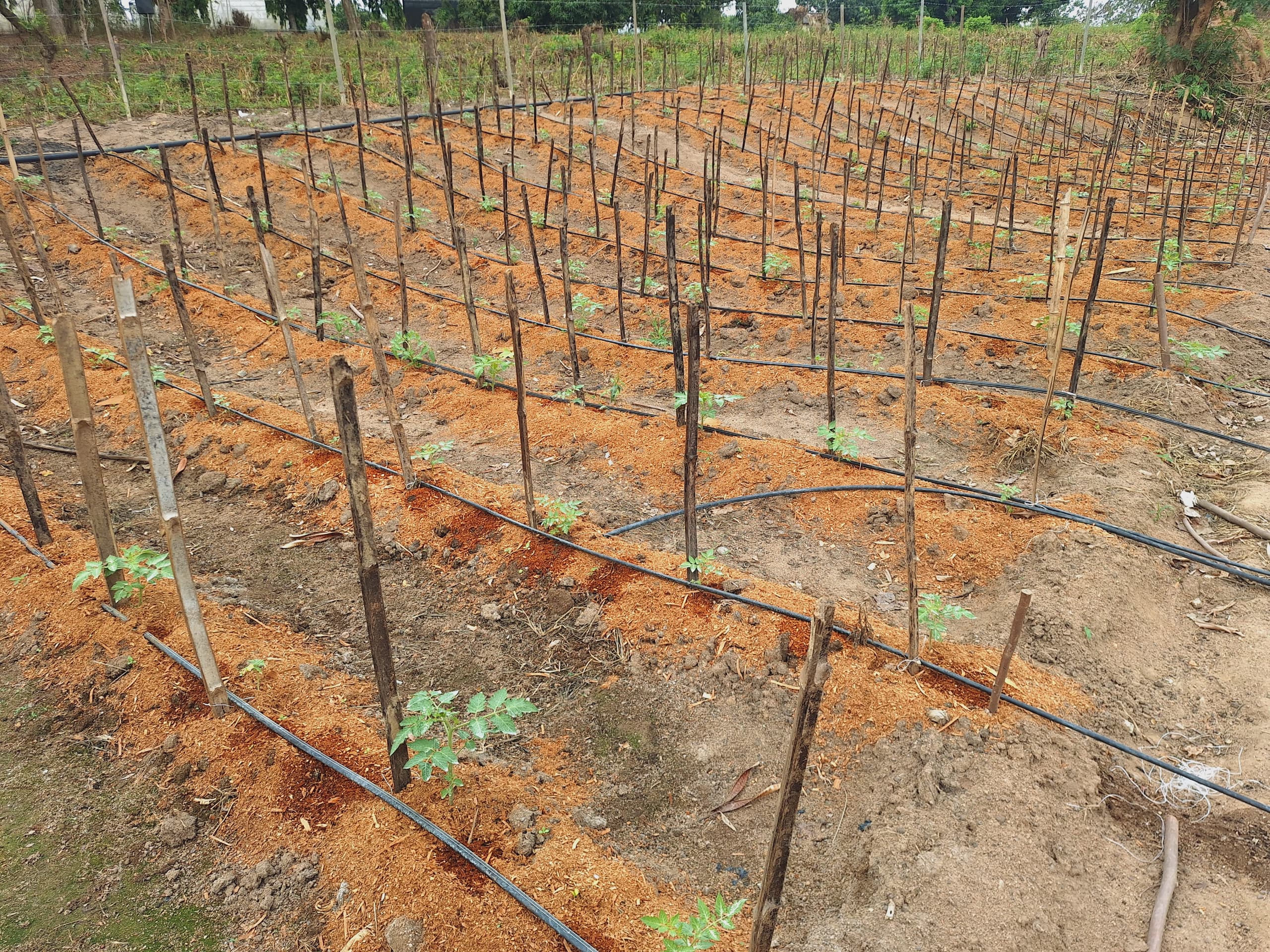
The programme, spearheaded by the Ministry of Food and Agriculture in coordination with the World Bank, is backed by a $2.2 million grant from the Norwegian government. Under the FSRP-Norwegian Tomato Scheme, 1,500 tomato farmers are receiving vital inputs and training in advanced farming techniques, with the aim of producing 10,000 metric tonnes of tomatoes within the first quarter of the year.
As part of this effort, the Crops Research Institute (CRI) under the Council for Scientific and Industrial Research (CSIR) in Kwadaso, Kumasi, has been tasked with developing breeder and foundation seeds suited to Ghana’s hot and humid climate. This initiative is expected to boost yields and create a more resilient tomato farming system.
Speaking on the project, Dr Michael Kwabena Osei, Principal Research Scientist and Tomato Breeder at CSIR-Crops Research Institute, alongside Dr Gabriel Owusu, Project Officer for the Norwegian Tomato Support under FSRP, provided insights into the programme’s progress and impact.
Dr Osei stated: “Currently, there is a high demand for tomatoes, yet we are unable to produce enough to meet this demand. As a result, we are compelled to import tomatoes from Burkina Faso and other countries. In the next two to three years, we anticipate reducing imports by more than 50%, and in the long round, we aim to achieve 90% to 100% self-sufficiency. It is not solely about the varieties we use, but also the implementation of improved agronomic practices and the capacity building of farmers.”
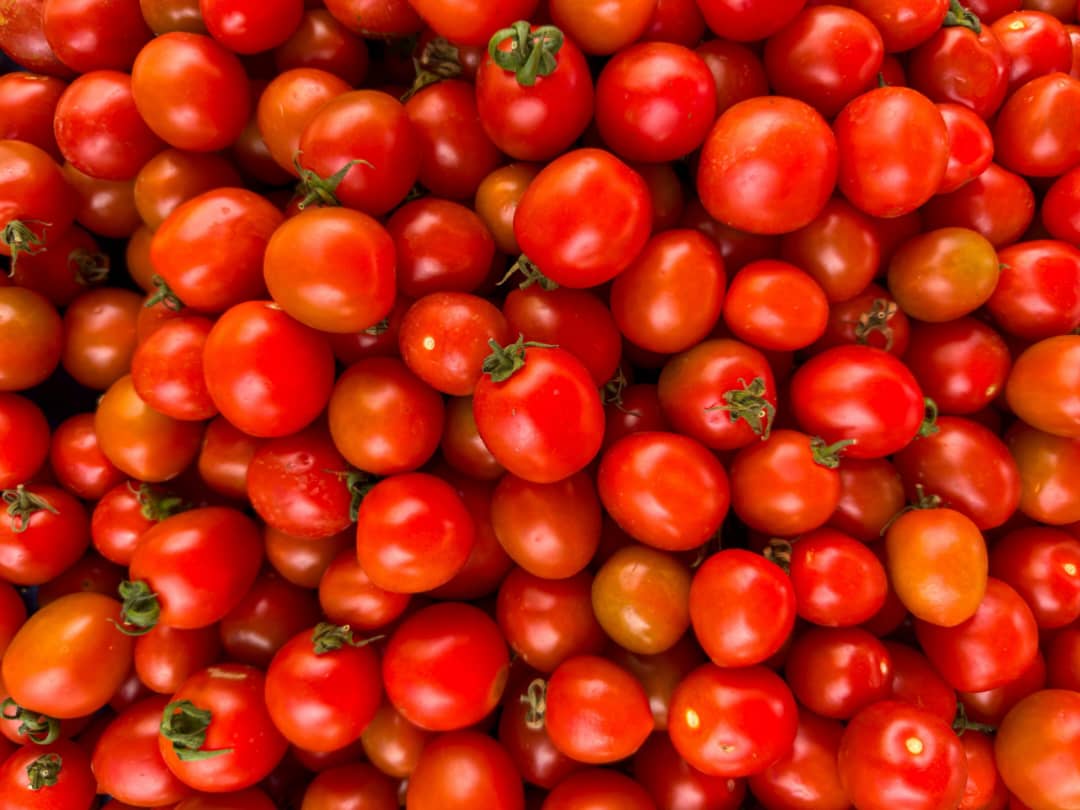
Dr Owusu added: “The FSRP project has contracted CSIR to produce breeder and foundation seeds, while a private developer has been engaged to produce certified tomato seeds in Wenchi. Once we establish the right conditions, farmers will engage in tomato production, particularly during the dry season. As this is an improved variety, we expect production to increase from 8 tonnes to approximately 20 metric tonnes per hectare.”
Dr Osei further emphasised the need for increased investment in local tomato production, highlighting its potential to significantly contribute to Ghana’s economy.