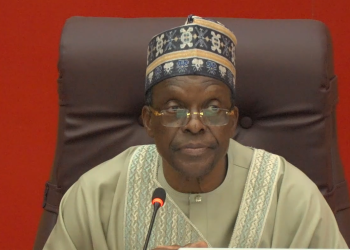
The Upper West Region has faced a worrying surge in meningitis cases, with 207 reported infections and 17 fatalities recorded to date.
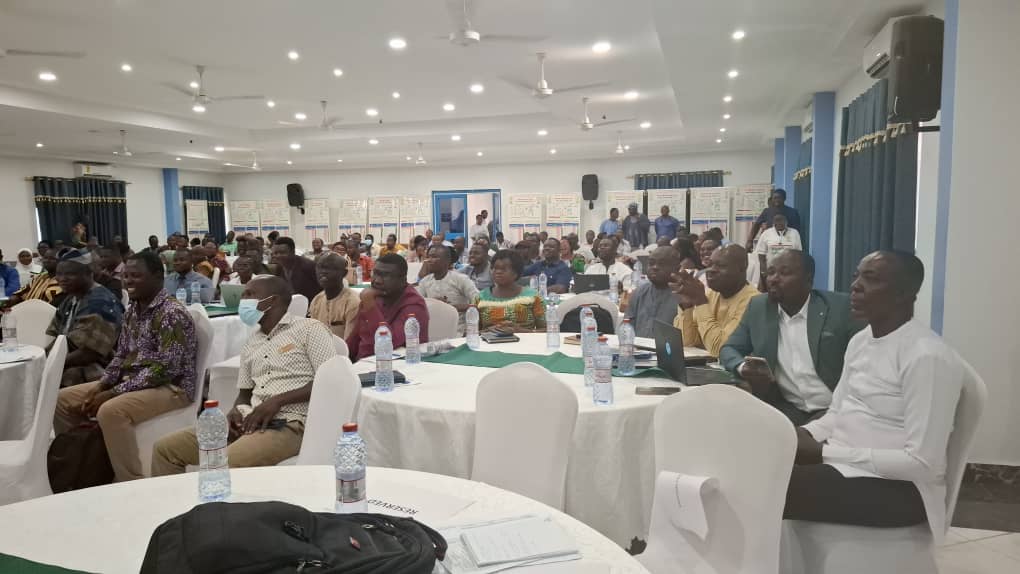
Dr. Damien Punguyire, the Regional Director of Health Services, disclosed these alarming figures during the opening of the 2024 Annual Regional Health Sector Performance Review Meeting at Blue Hill Hotel in Wa on Tuesday, March 11th, 2024.
While the outbreak is significant, Dr. Punguyire reassured the public that the situation is stabilizing, noting that no district has reached epidemic thresholds in the last three weeks.
However, the region remains highly vulnerable due to its location within the African meningitis belt, exacerbated by harsh climatic conditions, an influx of migrant populations from the Sahelian region, and limited healthcare infrastructure.
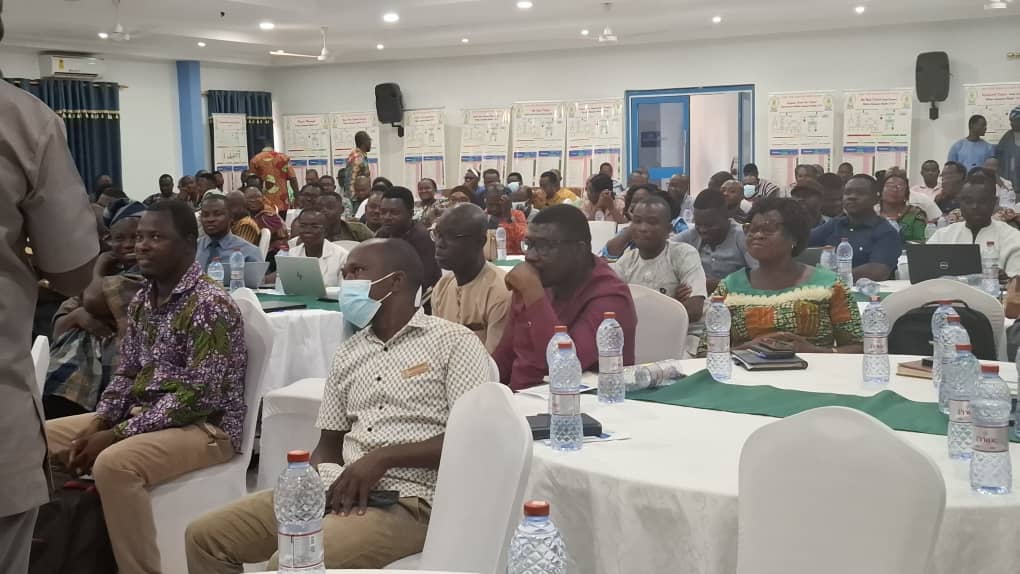
Dr. Punguyire underscored the critical need for enhanced disease surveillance and early detection to prevent further escalation. “Although the current meningitis outbreak is under control, the high fatality rate in the initial stages highlights the need for more robust surveillance systems. “We must remain vigilant and prepared to respond promptly to future public health emergencies,” he explained.
In addition to addressing the meningitis outbreak, Dr Punguyire highlighted several key health achievements in the region over the past year. He praised the successful rollout of the malaria vaccination program, which has benefited over 38,000 children annually across all 11 districts. Furthermore, the region completed a measles-rubella and vitamin A supplementation campaign, reaching over 130,000 children.
 Dr. Punguyire also acknowledged the region’s progress in tackling non-communicable diseases like hypertension and diabetes, through wellness clinics and a new community-based keep-fit initiative. “Physical activity is crucial to reducing the risks associated with non-communicable diseases, and the community’s response to the keep-fit club has been overwhelming,” he noted.
Despite these successes, the region faces significant challenges. Staffing shortages, particularly in critical areas like laboratory technicians, pharmacists, and physician assistants, continue to strain healthcare services. Dr Punguyire also pointed to the impact of high utility costs and ageing transport fleets, which threaten to undermine the region’s healthcare advancements.
Dr. Punguyire called for increased collaboration among healthcare partners, stakeholders, and government bodies to tackle the region’s health challenges. He emphasized the need for improved disease surveillance, particularly in light of the ongoing meningitis outbreak.
The introduction of the Networks of Practice initiative, designed to foster better collaboration among health facilities, is seen as a vital step toward strengthening the region’s health system.
“By sharing resources and improving inter-facility referrals, we can build a more resilient health system capable of responding to future outbreaks,” he stated.
Dr. Punguyire highlighted health trends related to HIV and maternal mortality. On HIV care, he reported a significant improvement in antiretroviral coverage, which rose dramatically from 53.9% in 2023 to 96% in 2024.
Viral load testing also showed improvement, increasing from 47.2% in 2023 to 77.7% in 2024. However, despite these advancements, the region still faces challenges with HIV care, especially in rural and underserved areas.
Dr Punguyire also acknowledged the rise in maternal mortality, noting that the rate has slightly increased from 70 deaths per 100,000 live births in 2023 to 75 deaths per 100,000 live births in 2024. He stressed that this is a priority area for improvement, and efforts will continue to enhance antenatal care and postnatal services to reduce maternal deaths.
“While we have made significant strides in HIV care and maternal health, we must remain vigilant and focused on reducing preventable deaths and improving the quality of care for mothers and children,” Dr. Punguyire remarked.
Hon. Charles Lwanga Puozuing, the Upper West Regional Minister, underscored the critical role of health security in national development. He highlighted the government’s commitment to improving healthcare access and affordability, with a focus on policies aimed at enhancing the country’s ability to handle public health emergencies.
He also addressed the challenges posed by excessive taxes on medical equipment, revealing plans to remove nuisance taxes to reduce financial burdens on health facilities and ensure timely procurement of essential diagnostic tools.
“Health security is a critical pillar of national development,” Hon. Puozuing stated. “The NDC remains committed to improving healthcare accessibility and affordability, making it easier for health facilities to respond effectively to health crises.”