As Ghana continues to grapple with environmental pollution and the destruction of water resources, 30 youth groups in Sekondi-Takoradi have received $80,000 to develop innovative projects aimed at tackling climate change challenges, including flooding and pollution in the city.
The initiative—focused in part on water purification efforts in response to galamsey-related pollution—is being spearheaded by the Sekondi-Takoradi Metropolitan Assembly, with funding from Bloomberg Philanthropies (USA), in partnership with United Cities and Local Governments and the Bloomberg Center for Public Innovation at Johns Hopkins University.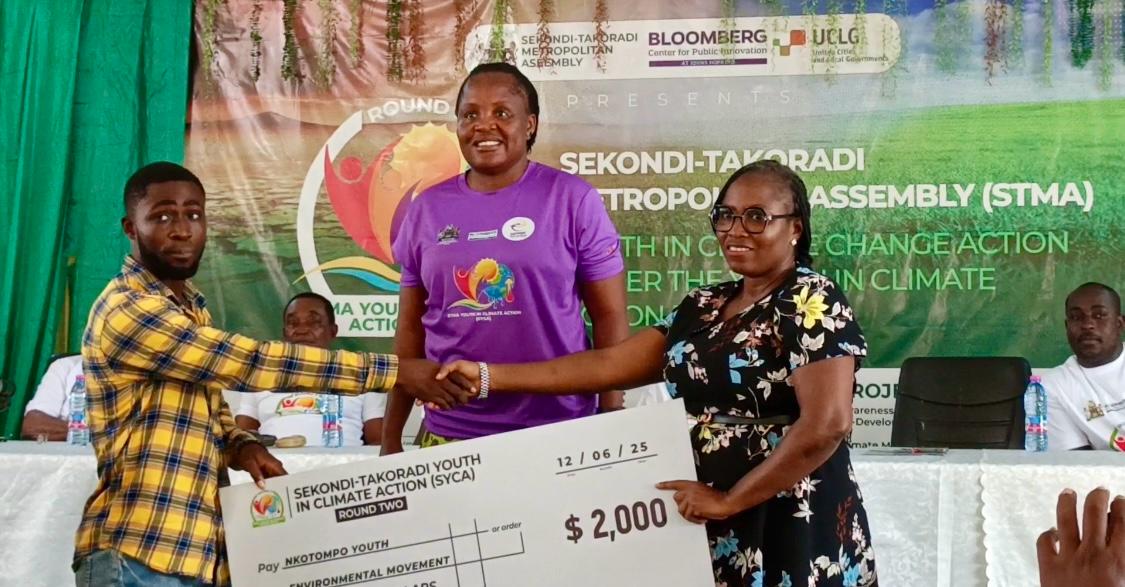 Speaking to Channel One News during the presentation of cheques to the 30 beneficiary youth groups in Sekondi on Sunday, June 15, the Metropolitan Development Planning Officer of Sekondi-Takoradi, Abu Mohammed—who also serves as the Project Focal Person—revealed that the total funding for the project is $100,000, with 80% allocated for project implementation and 20% for administrative expenses.
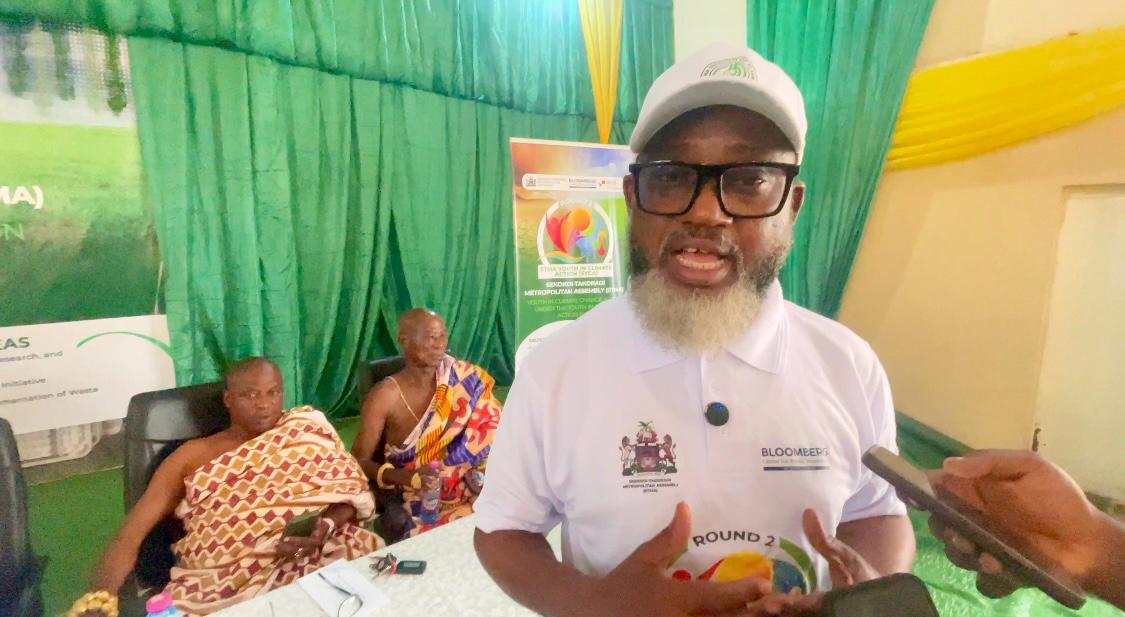
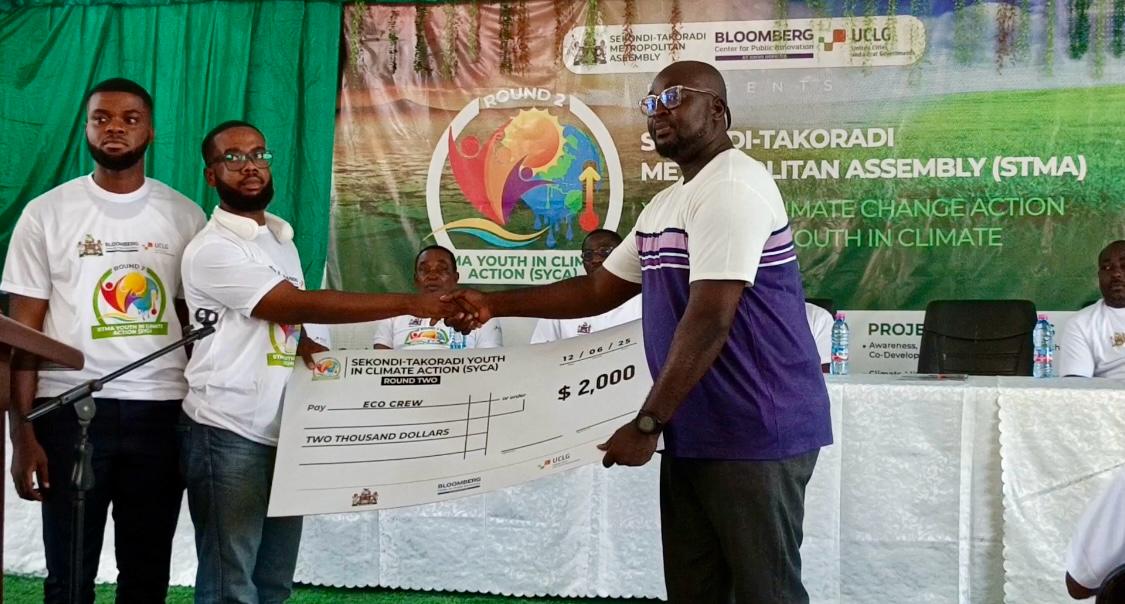
“We, as an assembly, wrote a proposal to Bloomberg Philanthropies, and we were awarded a $50,000 grant, which was awarded to nine youth groups to do a lot of climate change interventions. Some even developed machines that would monitor pollution in the metropolis. Because it is a revolving fund, we applied this year again, and we won a $100,00 grant to which we are awarding to 30 youth groups to develop climate change initiatives,” he explained.

The Project Focal Person, Abu Mohammed, also outlined the project’s immediate objectives and long-term prospects, indicating that strong performance could unlock further funding.
“If we perform well, we will move to the third round, which will come with a higher amount. So we focused on environmental protection, and therefore we would do a lot of tree planting, waste management, design machines to monitor the level of pollution, as well as water purification measures due to the pollution by illegal miners,” he added.
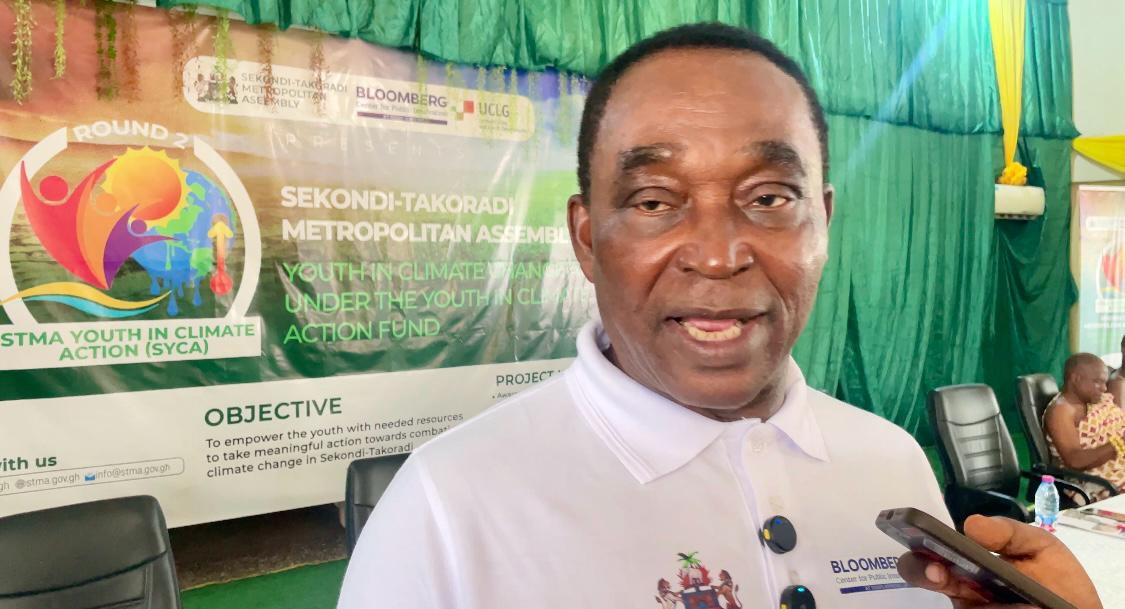
Mayor of Sekondi-Takoradi, Frederick Faidoo, has said that the support given to 30 youth groups for climate action innovations is part of a broader effort to empower the next generation to take leadership in addressing today’s environmental challenges for a better future. He therefore challenged the beneficiaries to rise to the occasion.
“This programme is a key strategy in our local response to the realities we face: rising temperatures, coastal erosion threatening our fishing communities, increasing floods and the rapid loss of green spaces due to urban expansion…
“Your ideas represent more than innovation; they are lifelines for our communities and tangible actions toward a more sustainable Sekondi-Takoradi. I urge you to implement your projects with dedication, discipline and a deep sense of purpose. The impact you create can inspire transformation not only within your communities but across the nation,” he noted.
A total of 67 applications were received from passionate, creative, and forward-thinking youth across the metropolis. After a rigorous screening and evaluation process, 30 outstanding proposals were selected to receive grant support, with varying funding amounts based on the scope and scale of each project.