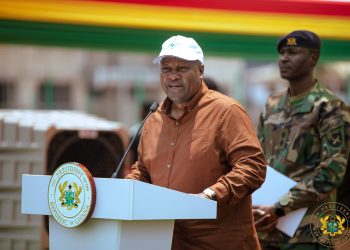
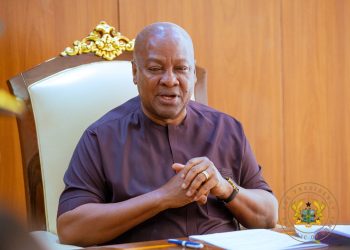
Private legal practitioner Martin Kpebu has argued that President John Dramani Mahama played an active constitutional role in the removal of Chief Justice Gertrude Araba Esaaba Sackey Torkornoo and was not merely a passive actor in the process.
Kpebu explained that the President’s involvement in the removal of a sitting Chief Justice goes beyond acting on recommendations and includes distinct decision-making responsibilities not present in other judicial removal cases.
“When it comes to the removal of the CJ, the President is not a conveyor belt,” Kpebu stated on Channel One TV’s The Point of View on Monday, September 1.
“He sits in judgment in the prima facie case and also he does the suspension. So that is different. He is only a conveyor belt if the committee submits its report and also if the removal concerns another Justice of the Supreme Court who is not CJ.”
His comments dispute the ongoing debate following President Mahama’s decision to remove Chief Justice Torkornoo from office on the advice of a five-member committee established under Article 146(6) of the 1992 Constitution. The committee concluded that the Chief Justice had engaged in stated misbehaviour, including misuse of public funds and abuse of office.
Kpebu’s clarification challenges claims, particularly from government officials, that the President exercised no discretion and simply implemented constitutional procedure.
Earlier, Government Communications Minister Felix Kwakye Ofosu maintained that the President acted strictly according to the Constitution and had no choice but to accept the committee’s recommendations once submitted.
But Kpebu’s remarks emphasise that, in the case of a Chief Justice, the President has an expanded constitutional role, including the initial assessment of the petition and making a prima facie determination before any investigative committee is formed.
Read also
Reasons for Torkornoo’s removal can’t be made public – Kwakye Ofosu