Every day, they move through our streets, offices, and public spaces, yet many of their struggles remain unseen. For little people in Ghana, living with dwarfism means balancing everyday ambitions with a society that is still slow to fully accept them.
Medical experts define dwarfism as a condition of unusually short stature or small size, often caused by genetic or medical factors such as achondroplasia. While the condition may affect height, its social implications run much deeper.
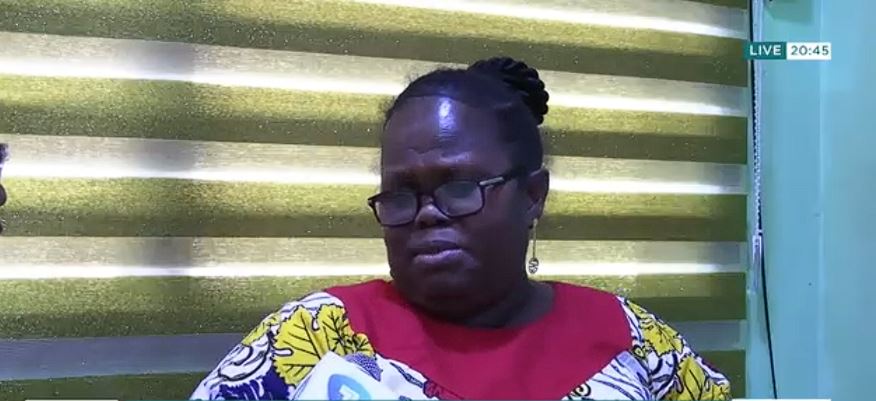
Sophie Acheampong, a civil servant in her late 40s, a wife and mother living with dwarfism, shared that her personal experiences growing up inspired her to create a support system for others like her, ultimately leading to the formation of the Association of Persons with Little Stature.
“I grew up in a middle-class family, and I attended one of the elite schools where it was not allowed for students to mock others with special needs. I also have siblings who were very protective of me, so much that you couldn’t even look at me twice in public without consequences,” she said.
While her family and school provided early support, Sophie said this was not enough to shield her from societal stigma. “Sometimes I get hurt by negative comments from people, but it is even more painful seeing my son, who also has dwarfism, face the world without the same protection I had as a child.”
 Winfred Kwame Ntumi, Secretary of the association, recounted similar experiences from his youth: “My brothers encouraged me whenever I came home upset about being mocked or pointed at. Even in school, I worked harder than many of the so-called ‘normal’ students to prove myself.”
Beyond social stigma, little people face daily physical challenges. Stepping into public spaces is often a mental battle for acceptance. “A little child can see you and start screaming; it’s embarrassing and has made me limit my movements in public. Hospital examination tables are too high, buses have steep first steps, schools have staircases without ramps, and even washrooms are not designed for us,” she added.
The Little Persons Association called on the government to recognise little persons as a distinct category in population censuses to improve policymaking. “There are features of ours that do not tally with those of children. By now, the government should allocate a column or page specifically for persons with little stature,” the association noted.
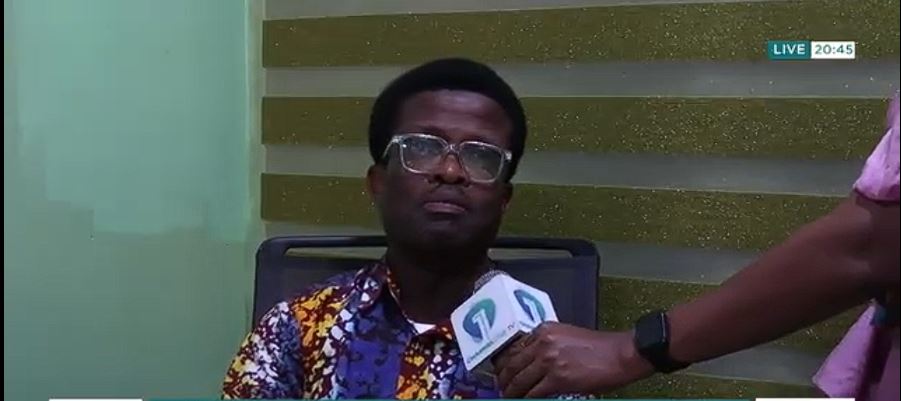 Nii Kpakpo Pappoe, Steering Committee member on the Human Rights Forum for CHRAJ, said Ghana still has a long way to go in eliminating discrimination. “Many little persons have been neglected by their families and communities. We hope the Persons with Disability Bill is passed into law to promote inclusivity in workplaces and schools,” he said.
Despite these challenges, many little people continue to excel in entrepreneurship, arts, sports, and activism, proving that ability, not height, defines a person’s worth. Their stories of resilience and contribution challenge society to look beyond stature and embrace true inclusivity.