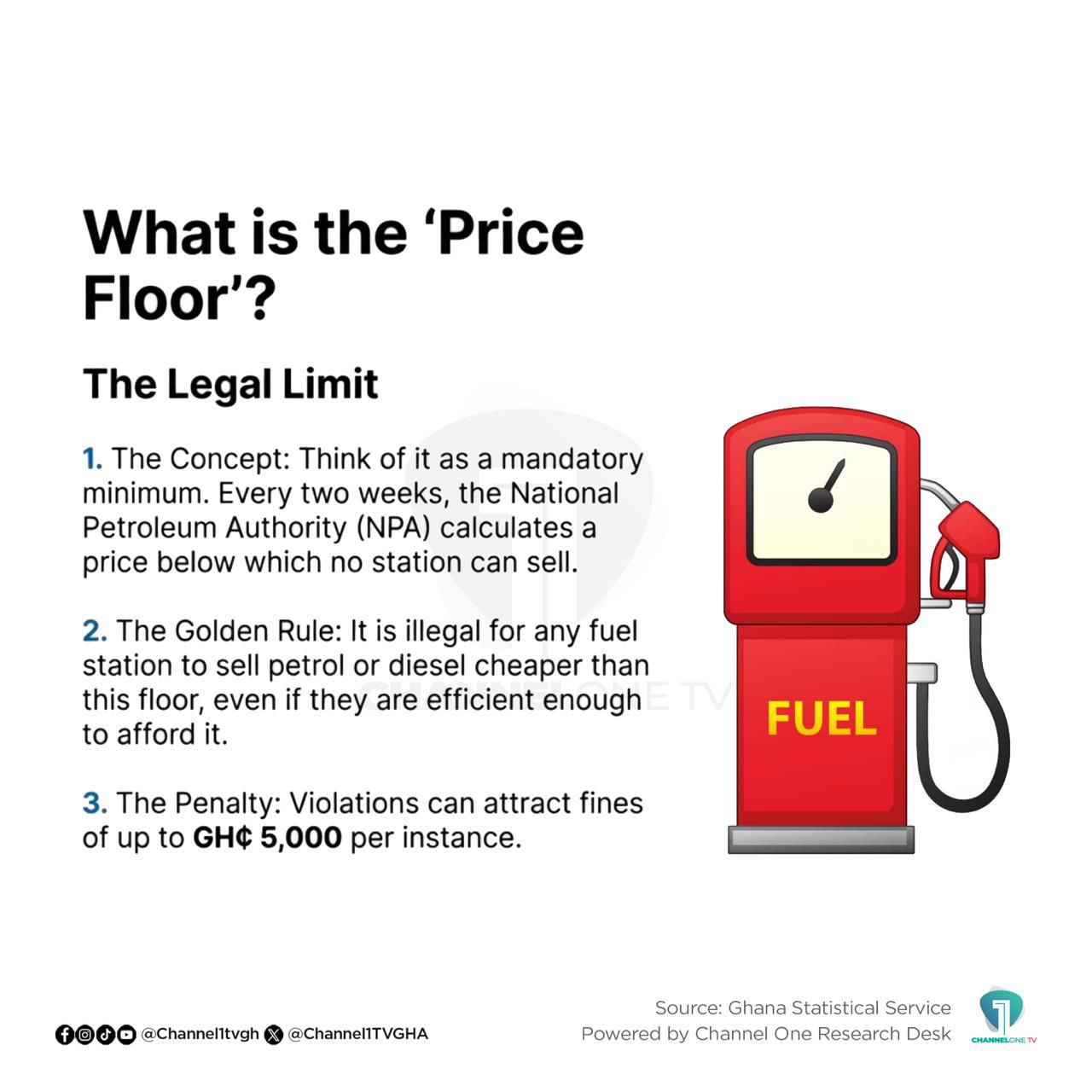
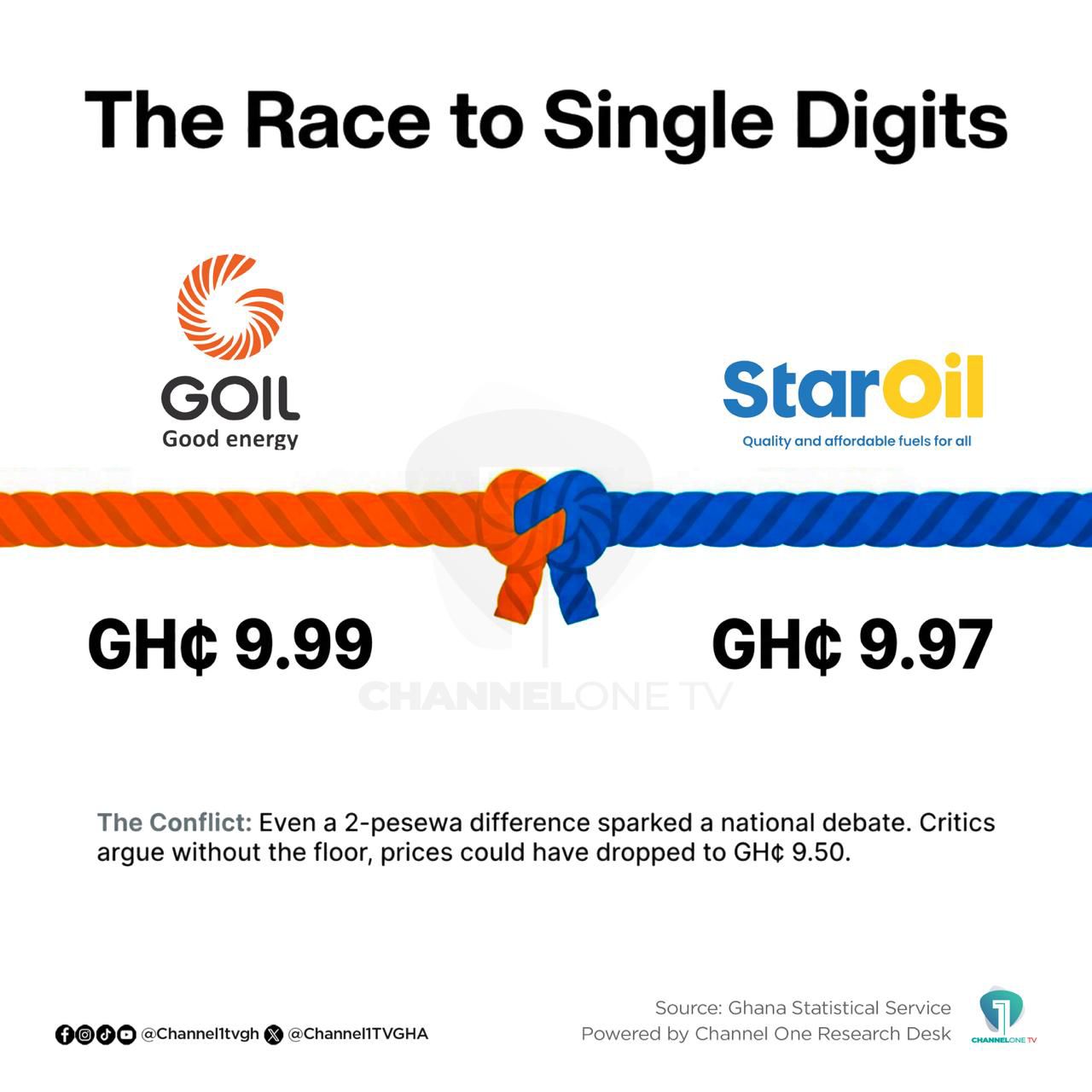
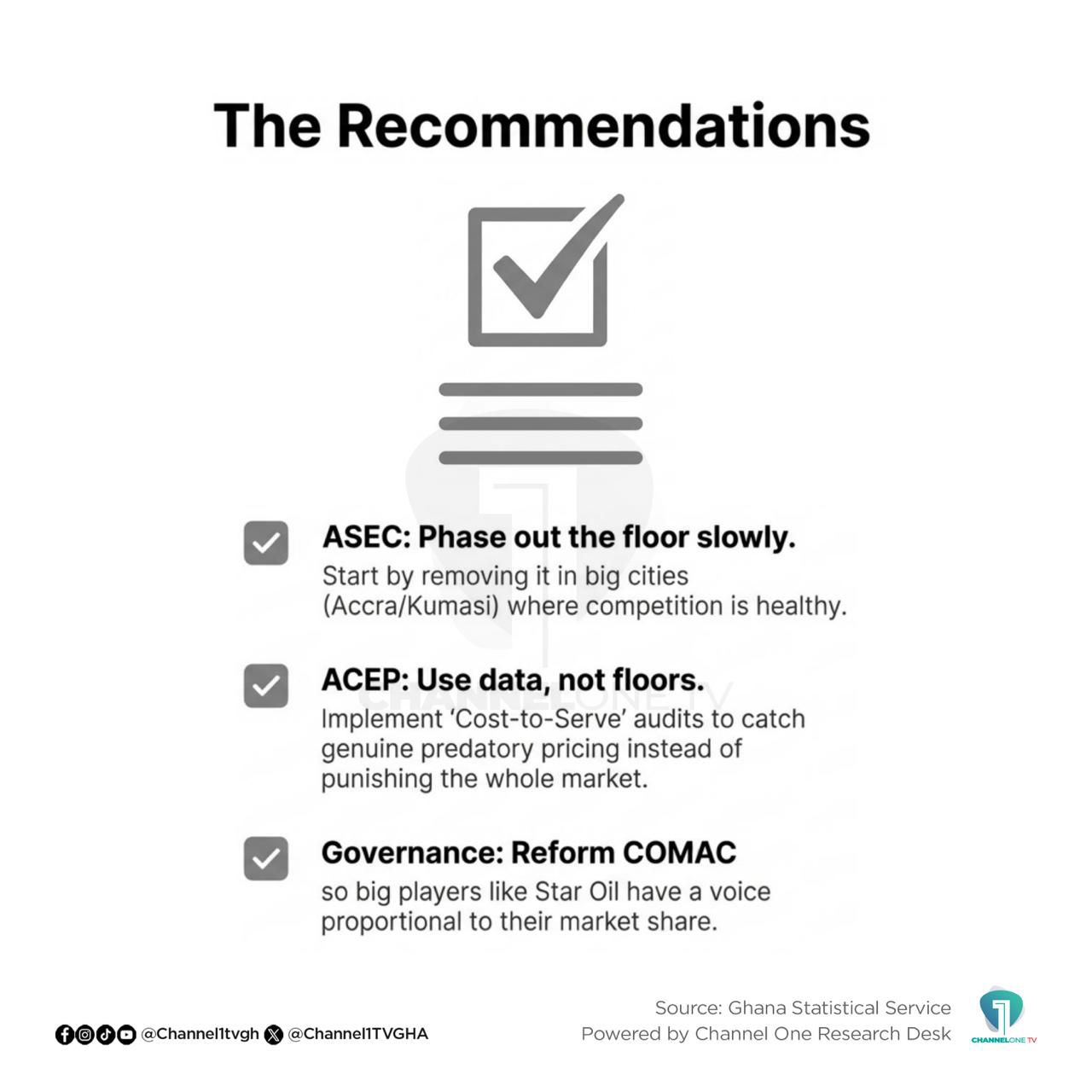
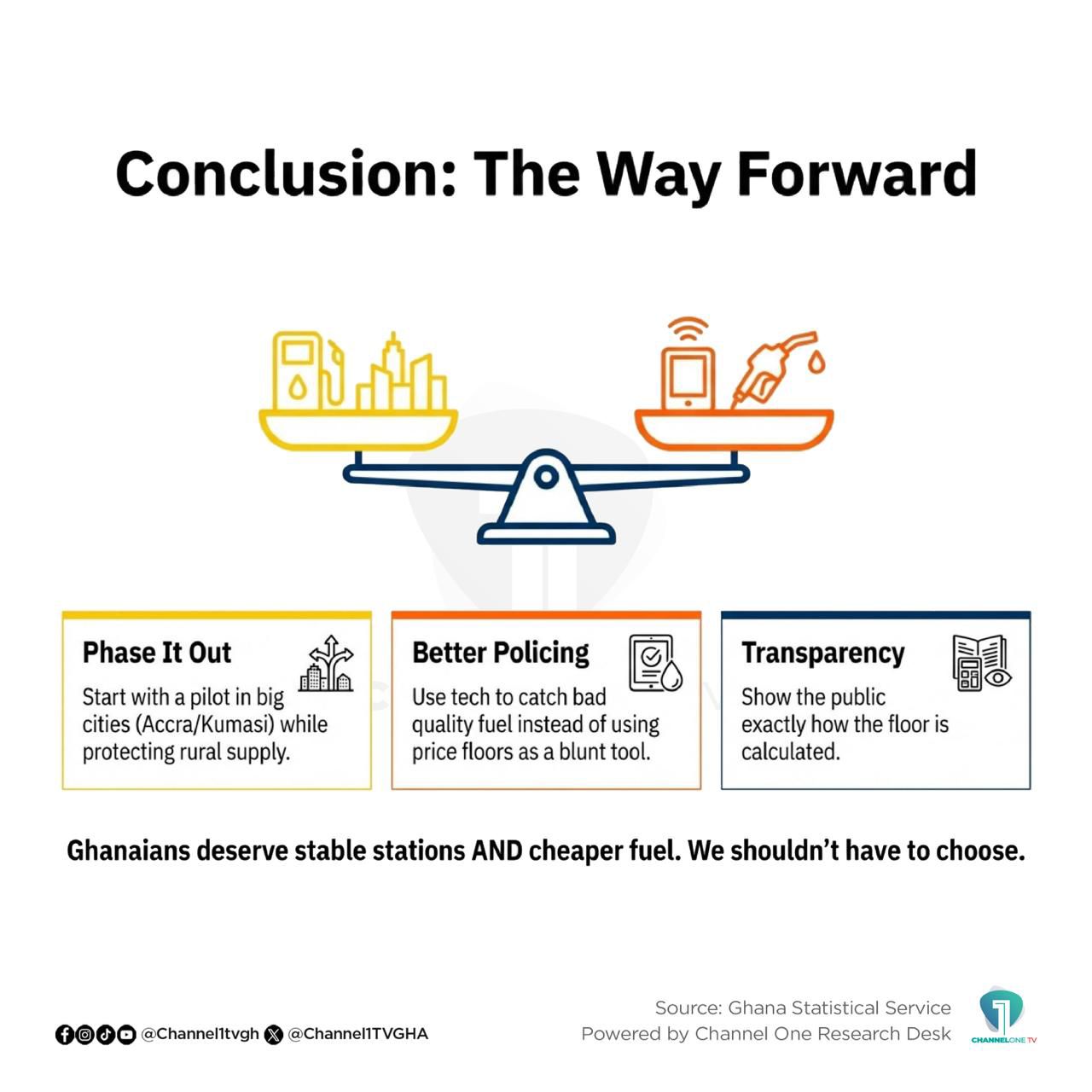
Ghana’s fuel price floor has become a hot topic in recent weeks, sparking debate across the political and economic spectrum. Designed to protect consumers from sudden spikes in fuel costs, the policy aims to stabilise prices and cushion households from the full impact of global market fluctuations.
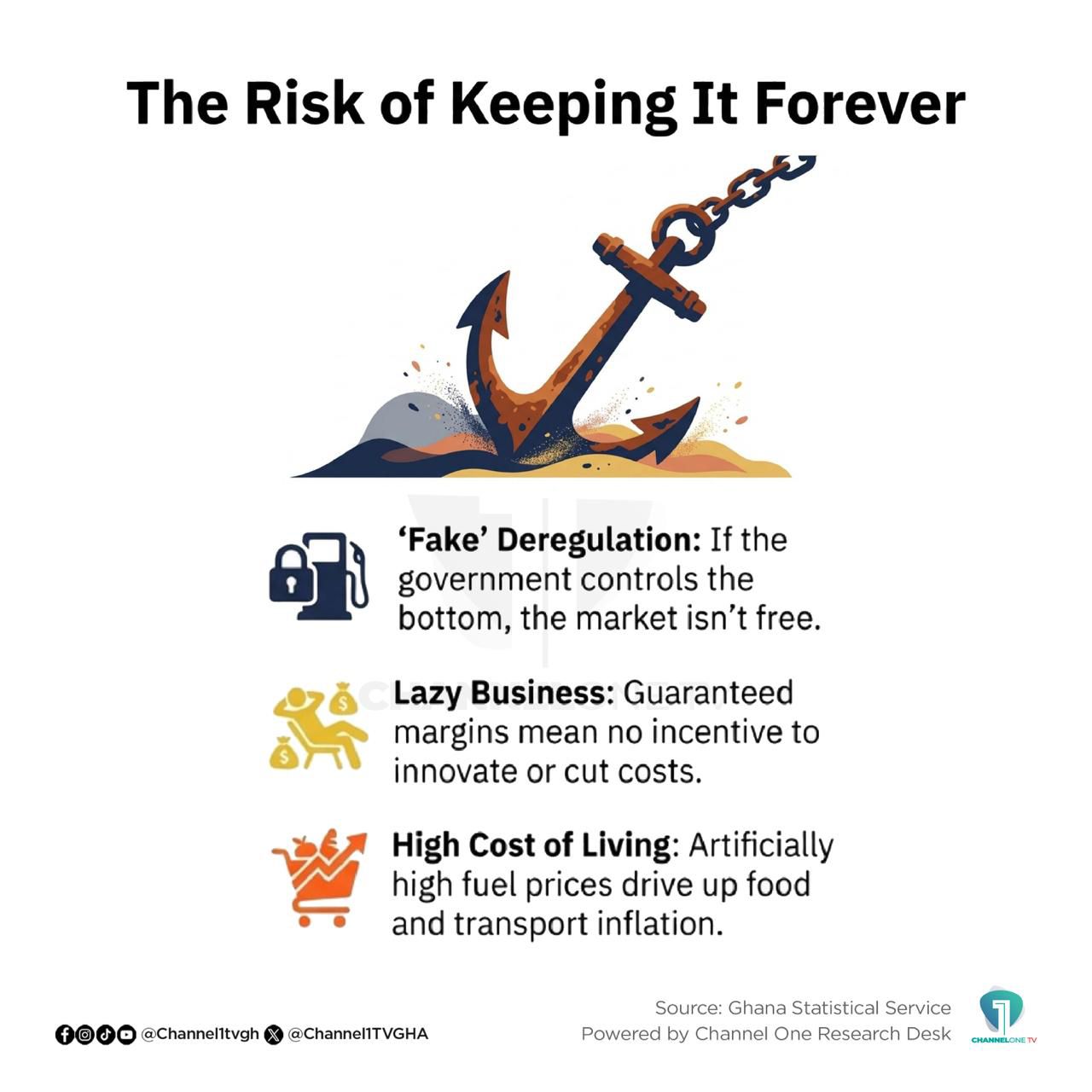
But critics argue that while the floor may offer short-term relief, it could also create long-term barriers for businesses, distort market dynamics, and strain public finances.
As Ghana navigates rising energy demands and shifting global oil prices, the question remains: is the fuel price floor a practical safety net or an obstacle to sustainable economic growth?