



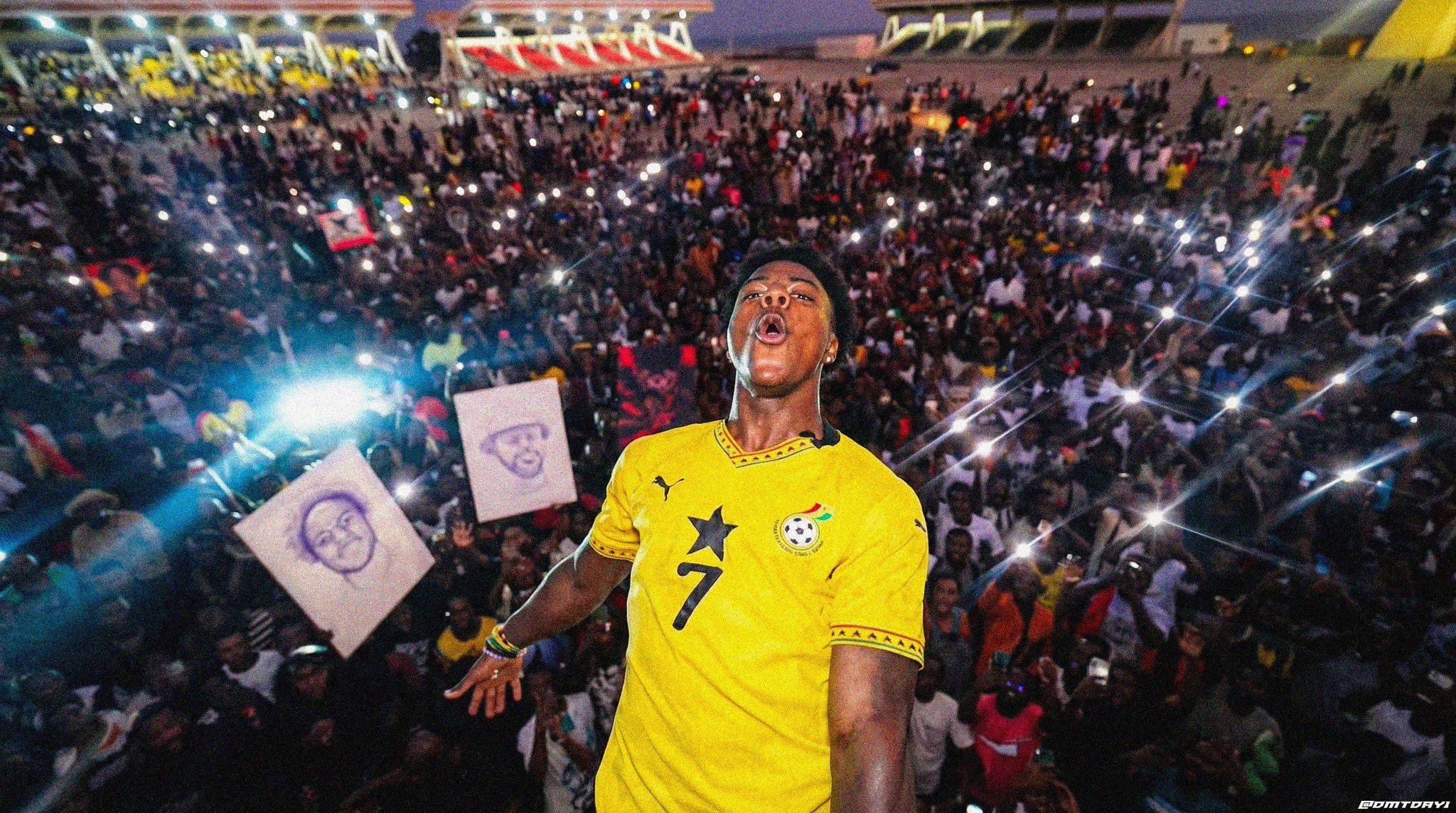
IShowSpeed’s recent visit to Ghana was loud, chaotic, meme-filled—and unmistakably effective in one respect: it put Ghana squarely in the middle of a global youth conversation.
From packed streets to viral livestreams, the American streamer’s presence generated millions of impressions across TikTok, YouTube, and X, introducing Ghana to a Gen Z audience that traditional tourism campaigns often struggle to reach.
It was against this backdrop that news of a Ghanaian passport being issued to the internet sensation sparked intense debate. Applause from some quarters. Sharp criticism from others. And a broader national conversation about symbolism, citizenship, and value.
At Citi Newsroom, our view is straightforward: the passport, by itself, achieves very little. Its real value—if any—lies in what Ghana does after the gesture.
First, it is important to acknowledge what IShowSpeed’s visit did right.
In a matter of days, Ghana was presented to millions of young people globally as vibrant, energetic, and culturally alive. Not as a place frozen in history, but as a living, breathing society of music, food, football, and youthful enthusiasm. For a generation that consumes the world through creators rather than brochures, that visibility matters.
This is the essence of modern soft power. Influence is no longer exercised only through diplomats and official statements, but through culture, platforms, and personalities. In that sense, Ghana tapped into a powerful channel.
However, visibility is not the same as value.
The decision to grant a Ghanaian passport—whether ceremonial or substantive—quickly became the centre of public debate. Supporters argued it was a strategic embrace of the digital age; critics questioned fairness, process, and precedent.
Both sides have valid points. Citizenship is not a souvenir. It carries legal, emotional, and symbolic weight. When such a powerful national symbol is deployed without a clearly communicated framework, confusion is inevitable.
The real issue, therefore, is not whether the passport should or should not have been given. The real issue is this: What does Ghana gain next?
If the passport is merely a photo opportunity, then the critics are right—it adds little beyond fleeting attention. But if it is used as the beginning of a structured relationship, then it can become a tool for national interest.
For that to happen, Ghana must move from gesture to strategy. A meaningful follow-through could include:
- Cultural ambassadorship: Positioning IShowSpeed—formally or informally—as a youth and digital culture ambassador, with clear expectations around promoting Ghana as a destination for creativity, tourism, and sport.
- Creator economy integration: Facilitating collaborations between Speed and Ghanaian content creators, musicians, and digital entrepreneurs, ensuring local talent benefits from global exposure.
- Tourism activation: Linking his visit to specific locations, experiences, and events that can be revisited, marketed, and monetised long after the hype fades.
- Youth engagement: Leveraging his influence to highlight digital skills, creative careers, and innovation pathways for Ghanaian youth.
These are not theoretical ideas. Countries that understand the modern attention economy are already doing this—quietly and effectively.
A Lesson in the New Media Reality
The public reaction to IShowSpeed’s visit also exposed a deeper national challenge: a gap between how institutions think about influence and how young people experience it. For many young Ghanaians, the logic is simple. If millions of people now know Ghana, talk about Ghana, and want to visit Ghana because of one creator’s content, then that attention has value. The task of the state and its institutions is to convert that attention into outcomes.
For many older citizens, understandably, the concern is about equity, process, and respect for national symbols. These concerns cannot be dismissed. They must be addressed through clarity and policy, not silence. Perhaps the greatest danger is not controversy, but complacency.
If Ghana does not build a framework around this moment—if there is no follow-up engagement, no visible outcomes, no long-term linkage—then the passport will become exactly what critics fear: a viral gesture with no legacy. In the fast-moving world of digital culture, attention is temporary. Structure is what makes it durable.
Handled well, this moment could mark a turning point in how Ghana engages with global influence. Not by chasing celebrities, but by understanding ecosystems—where culture, technology, youth and narrative intersect.
Handled poorly, it will be remembered as another example of hype without harvest.
Conclusion
IShowSpeed’s visit showed that Ghana can capture the world’s attention in new and powerful ways. The passport raised the stakes of that engagement.
Now comes the hard part.
Value will not come from the passport itself. Value will come from what Ghana demands, designs and delivers after it. The internet has already played its part. The question now is whether Ghana’s institutions are ready to play theirs.
This is an editorial produced by the Citi Newsroom and reflects the collective views of the editorial team.




![President John Dramani Mahama [right], presenting the award to Junior Under Officer, Alex Kojo Abayateye [left].](https://www.citinewsroom.com/wp-content/uploads/2026/02/ABE-2-75x75.jpeg)








