Ghana’s 2026 Budget is being positioned as a confidence-restoring blueprint for investors and businesses, with Parliament pledging tougher fiscal oversight, improved tax discipline, and targeted social spending aimed at stabilising the economy and unlocking private capital.
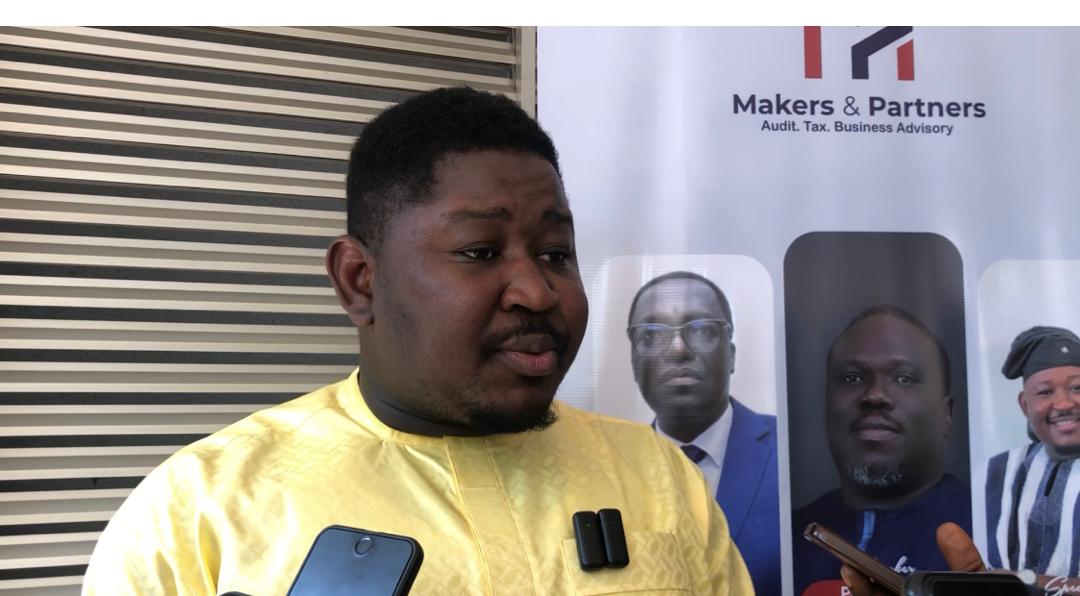
Speaking at an Executive Business Dialogue organised by Makers & Partners on Wednesday, January 28, a member of Parliament’s Select Committee on Finance, Atta Issah, said the budget signals that “Ghana is back on a stable path and open for business,” stressing that every borrowing decision must deliver measurable economic value.
According to him, “every cedi borrowed will deliver value, every reform will secure our fiscal future,” as Parliament steps up monitoring of tax reforms, infrastructure spending, and value-for-money outcomes.
The 2026 fiscal framework leans heavily on restoring credibility after years of fiscal strain, with Parliament committing to tighter supervision of government spending, arrears clearance, and quarterly reporting, moves analysts say are critical for rebuilding investor trust.
Atta Issah who is also the member of parliament for Sagnarigu noted that fiscal reform is no longer just about numbers but confidence, explaining that “the true dividend of fiscal reform done right is more businesses thriving, more innovations unfolding, and more Ghanaians lifted out of poverty.”
The budget also places the private sector at the centre of growth, urging businesses to invest in infrastructure, energy, agribusiness, and digital services while fully complying with tax obligations.
Beyond macro signals, the budget introduces Free Primary Healthcare, funded through a GH¢2.3 billion Ghana Medical Care Trust, alongside GH¢9 billion for NHIS claims, medicines, and vaccines; a move expected to ease household costs and improve labour productivity.
Health workforce development also features prominently, with GH¢474 million allocated to nursing trainee allowances, addressing critical human capital gaps.
Parliament insists implementation will be decisive.
“Fiscal reform is a shared responsibility,” Atta Issah stressed, adding that if government, business, and civil society each play their part, Ghana can turn discipline into sustainable, inclusive growth.