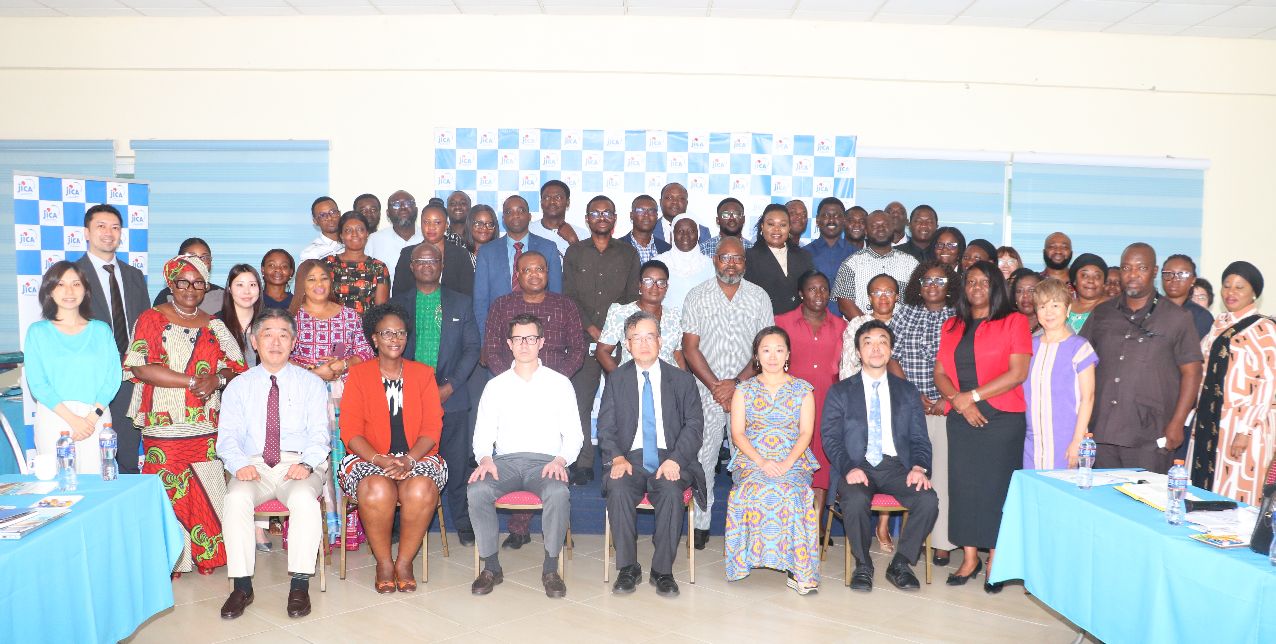
The Japan International Cooperation Agency (JICA) has strengthened bilateral ties with Ghana following its continued support for Ghanaian government officials who studied in Japan under the Project for Human Resource Development Scholarship (JDS).
JICA recently held a homecoming presentation session at the Erata Hotel in Accra for beneficiaries of the JDS programme. The initiative, funded by the Government of Japan, supports promising young Ghanaian civil servants in pursuing graduate studies in Japan, equipping them with advanced knowledge and practical skills essential for national development.
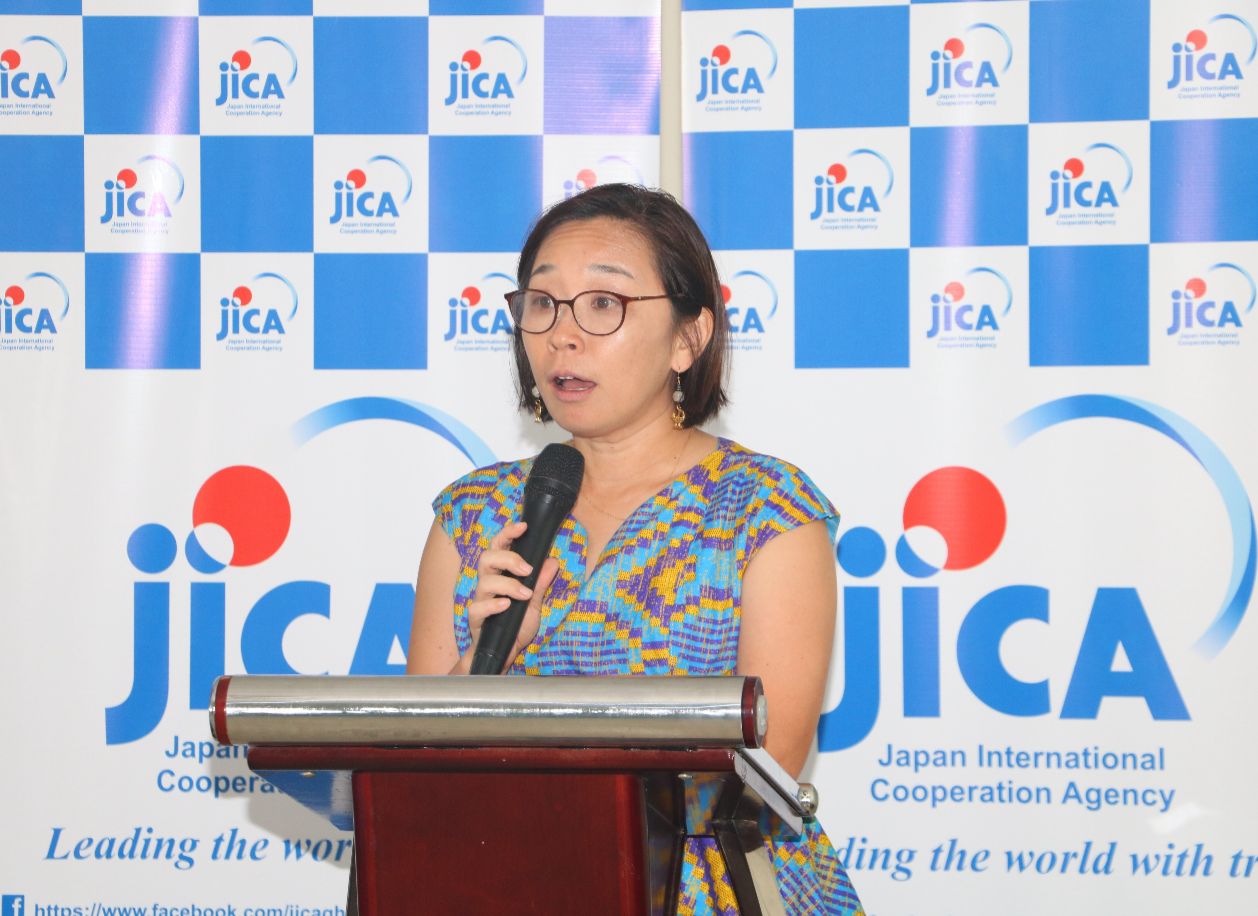
The Chief Representative of JICA Ghana, Suzuki Momoko, commended the returning officials for their dedication and urged them to apply their experiences to Ghana’s development.
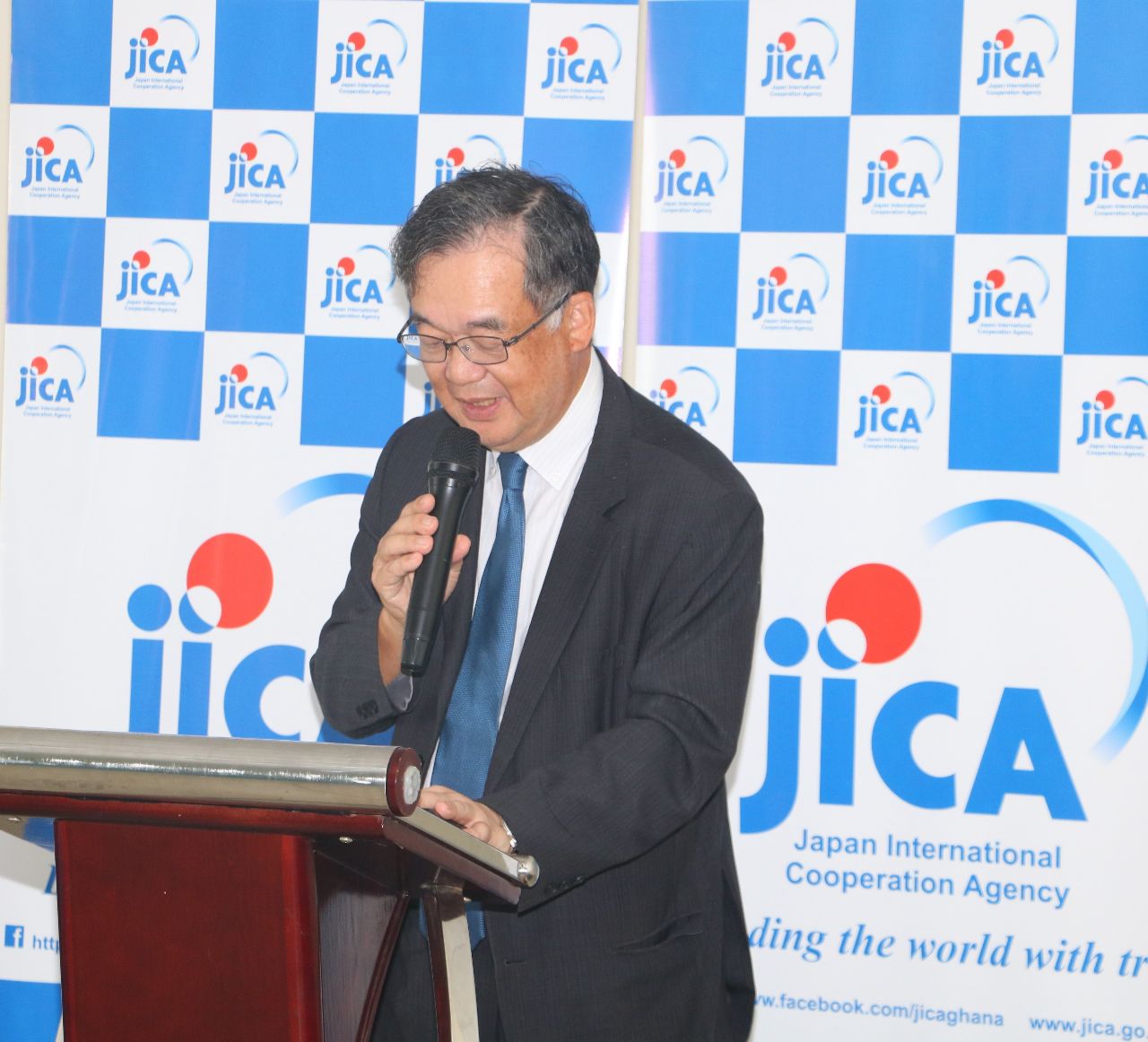
As part of efforts to deepen Japan–Ghana cooperation, JICA also organised a seminar titled “Japan’s Diplomacy toward Africa and the Current State of Japanese Corporate Investment.” Professor Shirato Keiichi of Ritsumeikan University delivered the lecture.
A Decade of Human Capital Development
Since its introduction in Ghana in 2012, the JDS programme has produced 143 fellows. Many of them currently serve in key roles across ministries and agencies, contributing to policy development in areas including economics, public administration, public health and international relations.
Now in its 14th year, the programme remains one of Japan’s flagship human resource development initiatives in Ghana, aimed at fostering leaders capable of driving institutional reforms and advancing national development.
Knowledge Sharing and Application
During the homecoming session, recently returned alumni presented findings from their academic research and shared how Japan’s development and modernisation experiences could be adapted to address local governance and administrative challenges in Ghana.
From Aid to Co-creation
In his keynote address, Prof. Shirato highlighted evolving global dynamics shaping Africa–Japan relations.
He noted that the world is experiencing increasing multipolarisation, with emerging economies gaining influence as traditional powers face relative economic decline.
He observed that African countries are no longer passive aid recipients but active political and economic actors. Africa’s growing population and youthful workforce, he said, have also attracted interest from Japanese corporations.
Prof. Shirato stressed that engagement between Japan and Africa is shifting from a donor–recipient model to a more equal, co-creative partnership.
In his concluding remarks, he encouraged JDS alumni to serve as bridges between Japan and Ghana, leveraging their understanding of both contexts to promote stronger collaboration.
In a statement issued through its Public Relations Advisor, John Kojo Williams, JICA Ghana reaffirmed its commitment to fostering co-creative partnerships in line with its vision of “Leading the World with Trust.”
The agency said empowering Ghanaian officials with Japanese expertise and local knowledge would help generate tangible development outcomes and further strengthen economic ties between Ghana and Japan.