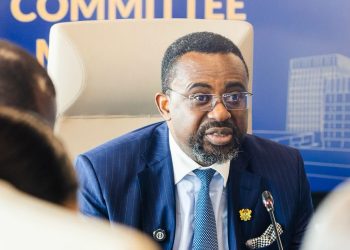
A migration expert has urged Ghana and other developing countries not to treat migration and remittances as substitutes for domestic development.
Festus Owooson, Immigration and Operations Manager at Globetrotters Legal Africa, warned that overreliance on migration and remittances could undermine long-term economic transformation.
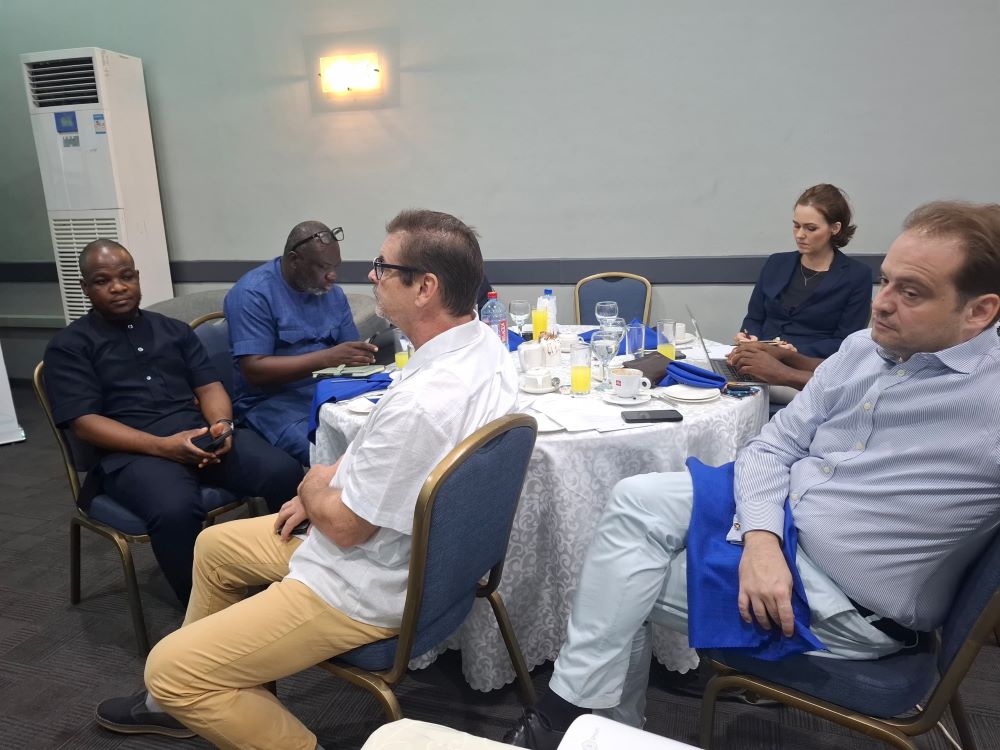
He was speaking at a meeting organised by the Konrad-Adenauer-Stiftung (KAS) Ghana on the theme “Migration as Development Policy,” which examined whether mobility and remittances could drive sustainable development.
 “Migration may accompany development and reflect it, but it cannot replace it,” Mr. Owooson said, urging governments to focus on productive transformation at home instead of depending largely on remittance inflows.
He noted that global migration continues to rise despite tighter border controls, conflicts, and economic uncertainty, with millions risking dangerous routes in search of better opportunities.
Although remittances ease household pressures and support consumption, Mr. Owooson argued, they are not a sustainable solution to unemployment or structural economic challenges.
“Ghana cannot wholly rely on remittances. They must be seen as a form of development finance that complements, but does not substitute, domestic investment, job creation, and skills development,” he said.
He also highlighted the loss of skills in critical sectors through migration, calling for policies that promoted return and circular migration to allow migrants to contribute their experience and expertise back home.
“Labour mobility can reduce short-term pressure on governments, but it is not the solution. The real solution lies in strong policies, capacity building, and inclusive development,” he added.
Anna Wasserfall, Country Representative of KAS Ghana, said the meeting formed part of the foundation’s “Ma Yen Nkasa – Let’s Talk” dialogue series, which promotes open and balanced discussions on public policy issues.
She noted that while migration can generate opportunities through skills transfer, financial flows, and global networks, it also carries risks that require careful assessment and sound policy decisions.
 “Our aim is not to arrive at a single narrative, but to explore the opportunities and trade-offs, the chances and the risks, and the policy implications of migration in a balanced way,” Mrs. Wasserfall said.
The Konrad-Adenauer-Stiftung is a German political foundation affiliated with the Christian Democratic Union. In Ghana, it supports policy dialogue, democratic governance, civic education, and research on socio-economic and political development issues.
Source: GNA