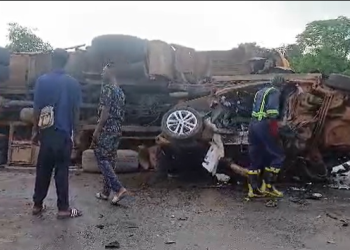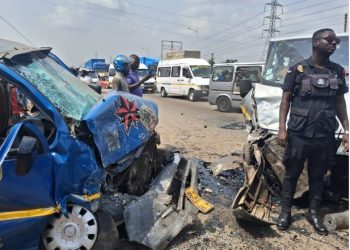
Civil Society Organization, Green Tax Youth Africa (GTYA) is calling for sweeping reforms in road safety enforcement and infrastructure planning following the recent fuel tanker explosion on the Nsawam–Kumasi highway.
In a statement dated February 16, 2026, the organization expressed condolences to families affected by the tragedy, describing the incident as part of a worrying pattern of fatal crashes along one of Ghana’s busiest national corridors.
According to GTYA, preliminary data from the National Road Safety Authority and the Motor Traffic and Transport Department show that the Nsawam corridor recorded multiple serious crashes involving heavy-duty vehicles in the first month of 2025 alone. More than 20 crashes were reported on the Accra–Nsawam stretch within January, resulting in at least 15 confirmed fatalities and dozens of injuries.
National statistics indicate that Ghana records over 2,000 road deaths annually, with freight vehicles disproportionately involved in fatal multi-vehicle crashes.
Enforcement Gaps
GTYA raised concerns about what it describes as weak enforcement of restrictions on heavy-duty vehicle movement during peak traffic hours. Although policies exist to regulate articulated trucks within urban corridors and high-traffic zones, the group said enforcement appears inconsistent.
Fuel tankers, long-haul cargo trucks, and construction vehicles continue to operate during periods of heavy congestion, increasing the risk of high-impact collisions, particularly where road construction and traffic bottlenecks intersect.
Construction Without Adequate Safety Planning
The group also criticized the ongoing Accra–Kumasi highway rehabilitation, arguing that major works have proceeded without sufficient alternative routing systems. As a result, commuters, commercial drivers, and residents are forced to use active construction lanes, leading to traffic congestion, vehicle damage, longer travel times, and elevated accident risks.
GTYA further pointed to design gaps in the near-completed Phase Two of the Pokuase–Nsawam road project. According to the group, significant stretches lack dedicated pedestrian walkways and cycling lanes. It also questioned the absence of visible underground stormwater drainage systems to address recurring flooding, particularly around the Achimota area during heavy rains.
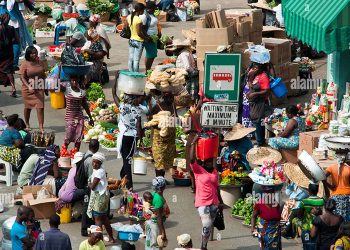
The statement additionally highlighted concerns about the lack of underground utility ducts to prevent future road excavations, limited planning for fire hydrant access, and inadequate integration of market traders at Amansaman whose livelihoods were affected by the construction.
GTYA said these deficiencies raise questions about the Environmental Impact Assessment process and the extent of stakeholder consultations prior to the commencement of works.
Displacement of Truck Rest Areas
Another key concern raised was the displacement of informal truck rest and inspection points, particularly in the Tohman area, which were previously used by heavy-duty vehicles from Tema Port.
With construction activities disrupting these areas, GTYA warned that long-distance drivers may be continuing journeys without structured rest breaks, increasing the likelihood of fatigue-related crashes, brake failures, and hazardous incidents involving fuel tankers and bulk cargo.
The group also called for broader enforcement measures beyond overloading sanctions, noting that concrete mixers, tipper trucks, and dump vehicles frequently spill debris and construction materials onto roads, creating secondary hazards for motorists.
Recommendations
GTYA is urging strict enforcement of heavy-duty vehicle movement restrictions, particularly during peak urban hours. It is also advocating for the deployment of digital tracking systems, weigh-in-motion technology, and closer coordination between the National Road Safety Authority, the Motor Traffic and Transport Department, and Metropolitan, Municipal and District Assemblies to monitor compliance in real time.
The organization is further calling for a phased mobility management framework for road rehabilitation projects. Contractors, it said, should be required to present clear diversion plans, temporary safety barriers, pedestrian corridors, and public communication strategies before construction begins.
GTYA is also proposing the development of structured truck rest terminals along major highways, especially between Tema Port and the Nsawam corridor. These facilities, it said, should include inspection bays, parking areas, sanitation services, and minor repair stations to improve safety outcomes.
In addition, the group is advocating a broader road hazard accountability framework, including penalties for spillage of construction materials, unsafe cargo fastening, and environmental contamination.
Call for National Dialogue
Finally, GTYA is urging Parliament to initiate a national conversation on road rehabilitation standards, stressing that infrastructure expansion must not come at the expense of safety, environmental resilience, and community livelihoods.
“The Nsawam fuel tanker explosion is a painful reminder that road infrastructure is not merely about asphalt and concrete. It is about human lives, economic productivity, environmental safety, and governance accountability,” the statement said.
The group pledged its readiness to support evidence-based policy dialogue aimed at making Ghana’s roads safer and more resilient.