
A year after a devastating fire tore through the Adum Blue Light Market in Kumasi, traders say they are still struggling to rebuild their lives and livelihoods. Many accuse their leadership of mismanaging donations meant for reconstruction, leaving them to operate under harsh and improvised conditions.
The fire, which broke out in the early hours of Friday, March 21, 2025, destroyed over 1,000 shops and left nearly 3,000 traders devastated in the Blue Light section of Kumasi’s central business district. In the aftermath, several organisations and individuals donated funds to help victims rebuild.
Yet, despite approval from the Kumasi Metropolitan Assembly for the leadership to use the donations for reconstruction, traders claim progress has been slow. During a recent visit by Citi News, many described the daily struggle of packing and unpacking goods on makeshift tables under improvised shelters.
Traders also revealed that, despite previous donations, they are now being asked to contribute GHS 40,000 each toward rebuilding their shops.
“As a mother of five, with school fees and feeding to take care of, this situation is very difficult. Our leaders have spent the donations we had, claiming they used it to construct drains. Now they are asking us to pay GHS 40,000 each for reconstruction. Where are we supposed to get that kind of money from?” said Juliet Amankwaa, a trader.
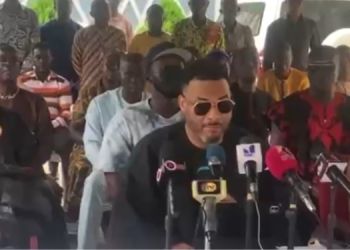
Joseph Bobie Ansah, Chairman of the Railway United Traders Association, confirmed that the donations had largely gone into drainage works and said GHS 20,000 has been collected from each trader to support reconstruction. He denied mismanaging funds but could not provide exact figures without consulting official documents.
Ansah added that the reconstruction of the main market structures is yet to begin, pending approval from the Ghana Railway Development Authority, which owns the land.
“We have completed the drainage works, and what remains is the reconstruction of the main structures. Some traders have paid, while others are yet to do so,” he said.
A year on, traders continue to operate under difficult conditions, demanding transparency and accountability from their leaders as they await full reconstruction of the market.