
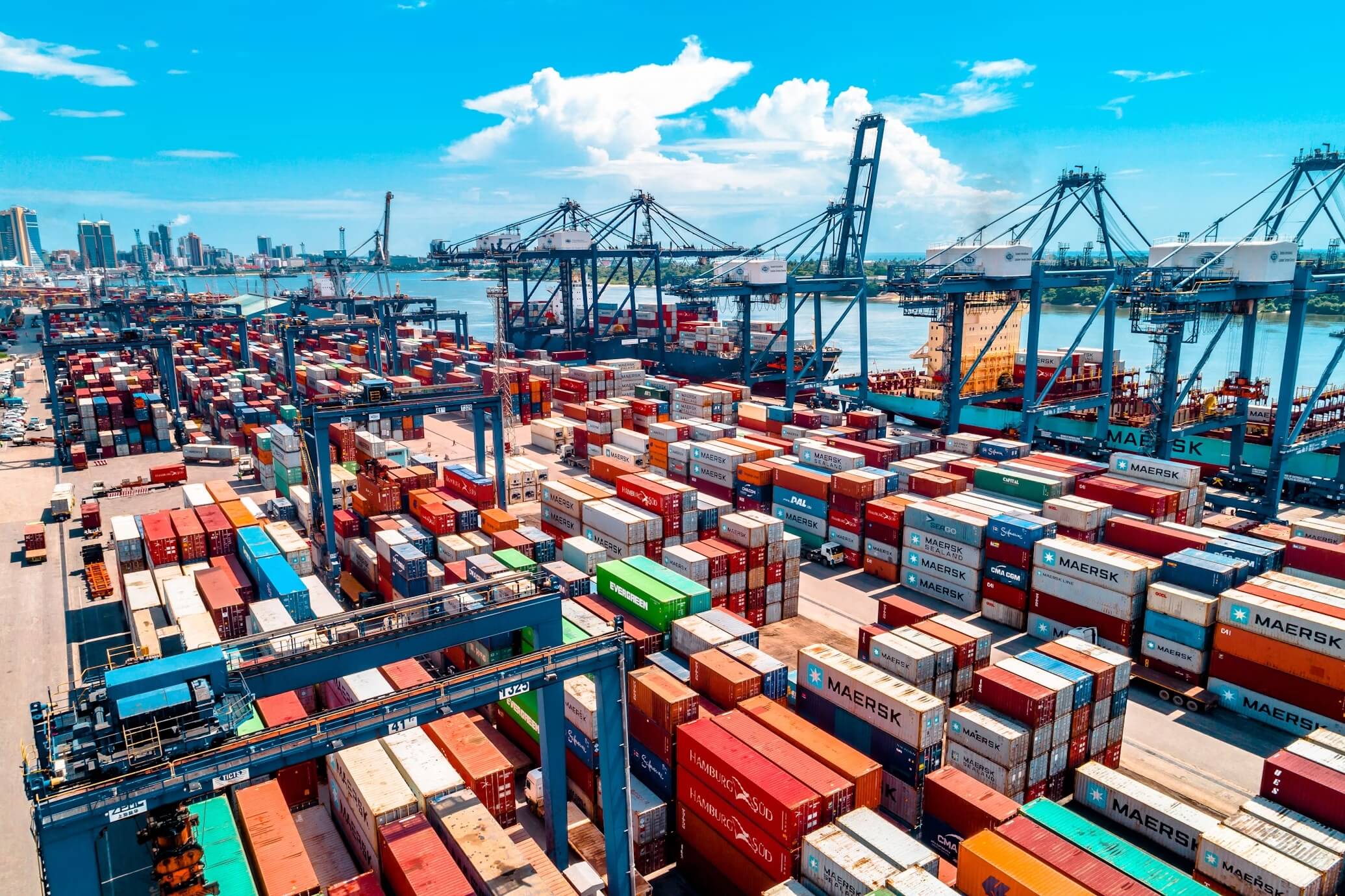
The landscape of customs and trade in Ghana has recently undergone a significant transformation with the introduction of the Publican AI System. Implemented by the Ghana Revenue Authority (GRA) in collaboration with the Ministry of Finance, this artificial intelligence–driven tool is designed to modernise customs valuation and inspection processes.
The system became mandatory for all import clearances on March 12, 2026, and serves as a complement to the existing Integrated Customs Management System (ICUMS).
While the government champions the initiative as a necessary step to curb massive revenue leakages, its deployment has sparked considerable debate and opposition from key stakeholders, including traders, importers, exporters, and freight forwarders.
The Government’s Perspective and Objectives
From the perspective of the Ghanaian government, the Publican AI System is a critical intervention aimed at safeguarding national revenue and modernising port operations. The primary driver behind this initiative is the scale of revenue loss attributed to trade malpractices.
According to government estimates, between 2020 and 2025, Ghana recorded imports valued at approximately US$127 billion, yet only US$52 billion was declared for customs purposes. The new AI system is projected to plug these leakages by detecting undervaluation, misclassification, and other forms of import fraud.
The Ministry of Finance and the GRA assert that the system empowers customs officers by providing instant access to credible international trade benchmarks. This digital transition shifts the clearance process from manual vetting to advanced, data-driven inspection.
To ensure compliance, the GRA has issued strict directives mandating that customs officers rely on datasets, risk assessments, and decision outputs generated by the AI system as the primary basis for valuation.
Officers are explicitly prohibited from finalising assessments based on figures lower than those generated by the Publican AI.
Furthermore, government officials maintain that the rollout was not unilateral. They state that extensive stakeholder engagements preceded implementation, ensuring that key players within the import and logistics value chain were informed about how the system would operate.
Perspectives of Importers, Exporters, and Freight Forwarders
In stark contrast to the government’s optimism, the business community and various trade associations have expressed profound concerns regarding the operational, economic, and legal implications of the Publican AI System.
These groups are demanding the immediate suspension or a comprehensive review of the system.
Transparency and Predictability Issues
A central grievance among traders is the perceived lack of transparency in how the AI system determines customs values and tariff classifications.
Traders say the AI-driven framework introduces non-deterministic outcomes, which severely undermine pre-import cost estimation, contract pricing certainty, and overall supply chain planning. Importers argue that without a clear understanding of the AI’s decision-making parameters, the principles of fair trade and due process are compromised.
Operational Challenges and Centralised Appeals
The implementation framework has also introduced significant operational bottlenecks. Under the new system, a centralised Publican AI Secretariat has been established in Accra to handle all disputes and appeals. Local collection-level officers are no longer permitted to entertain direct appeals against AI-generated decisions.
Freight forwarders have pointed out that this centralised committee sits only twice a week, forcing operators from various points of entry across the country, such as Paga, Tema, and Takoradi, to travel to the capital to resolve issues.
This shift from a decentralised to a centralised resolution process may increase operational costs and disrupt workflows, leading to delays in cargo clearance.
Sector-Specific Impacts
The ripple effects of the AI system’s deployment are being felt across specific sectors of the economy.
For instance, CropLife Ghana has raised concerns regarding the system’s potential impact on the importation of farm inputs, warning that delays and increased costs could threaten national food security.
Similarly, stakeholders in the automobile industry have cautioned that complex trade scenarios require human judgment, which AI systems cannot fully replicate. They advocate for AI to serve as a support tool rather than a substitute for professional expertise.
Implementation Details and Contractual Concerns
The technical deployment of the Publican AI System is being managed in partnership with Truedare Investment Limited. The legal foundation for this integration is rooted in the Customs Act, 2015 (Act 891), which supports the modernisation of customs operations.
However, this partnership has become a focal point of controversy.
Former Effia MP Joseph Cudjoe and some trade advocacy groups have demanded full disclosure of the contract details, citing concerns over hidden risks and potential financial implications for the state.
The lack of transparency surrounding the contractual agreement has fuelled scepticism and led to legal challenges, with some groups taking the GRA to court over its refusal to release the contract documents.
The introduction of the Publican AI System in Ghana represents a bold, technology-driven effort by the government to secure national revenue and modernise customs operations.
However, the stark divide between the government’s objectives and the practical realities faced by importers and exporters highlights significant implementation challenges. For the system to achieve its intended goals without stifling trade, there must be a concerted effort to address transparency concerns, decentralise the appeals process, and foster genuine collaboration with the business community.
Balancing technological advancement with operational efficiency and fairness remains the critical challenge for Ghana’s trade ecosystem going forward.
We support Publican AI system – Importers and Exporters Association
![John Setor Dumelo, Deputy Minister of Food and Agriculture [in white attire], with other participants](https://www.citinewsroom.com/wp-content/uploads/2026/07/AFRI-350x250.png)