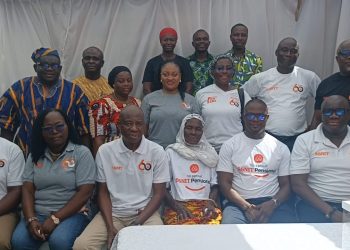
Farmers in parts of the Bono East Region say climate change, poor road networks and the lack of ready markets are undermining agricultural productivity and reducing their incomes.
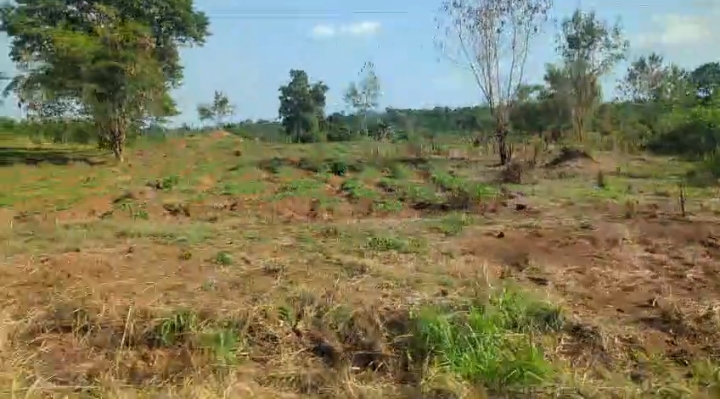
They explained that shifting weather patterns, including irregular rainfall, prolonged dry spells and intense heat, are disrupting planting seasons and contributing to lower crop yields.
The concerns come as Sustainable Development Goal (SDG) 2 seeks to end hunger, achieve food security, improve nutrition and promote sustainable agriculture by 2030, while SDG 13 calls for urgent action on climate change. However, farmers say these targets are becoming increasingly difficult to achieve as they contend with the daily effects of climate shocks and declining productivity.
Some farmers noted that crops are failing due to unpredictable rainfall patterns, while heat stress is also affecting crop development and overall yields.
They further lamented that poor feeder roads make it difficult and costly to transport produce to market centres. In addition, they said limited access to buyers after harvest results in significant post-harvest losses, and have therefore called for swift government intervention.
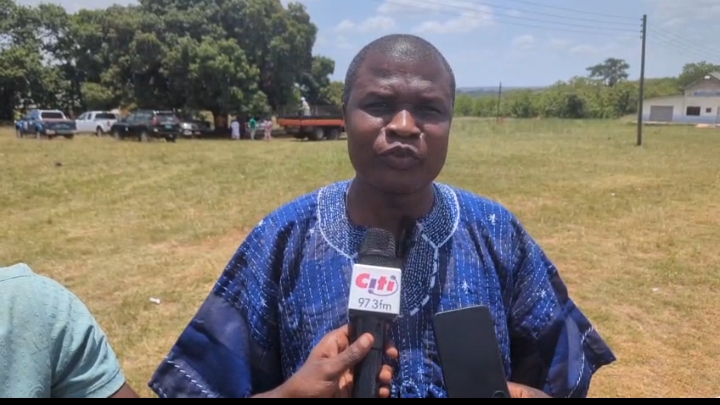
The Bono East Regional Director of Agriculture, Adu James, acknowledged the challenges but noted that the region has introduced several interventions, including support for climate-smart agriculture.
He also highlighted the need for increased stakeholder collaboration and called on government and development partners to provide further assistance to farmers.
Speaking on the sidelines of a farmers’ durbar in Kintampo on the theme “Celebrating Farmer Excellence and Strengthening Community Partnerships,” the Chief Executive of Oyster Agribusiness, Elizabeth Bidzakin, stressed the importance of fair pricing in sustaining the agricultural sector.
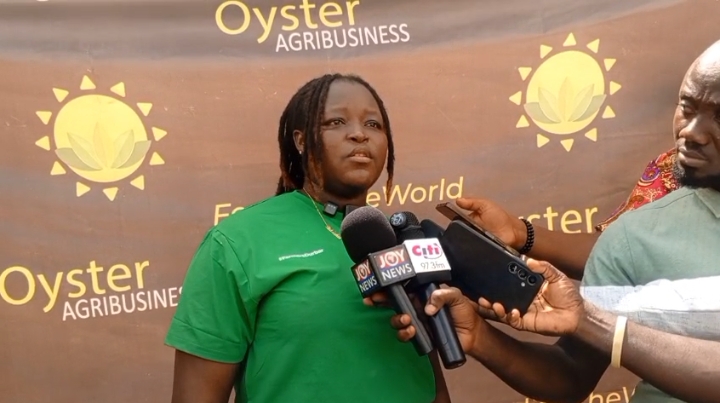
She said farmers must be adequately rewarded for their work, noting that value for money remains critical to improving livelihoods in the sector.
“True agricultural progress is not only about yields and profits but about improving lives,” the CEO stated.
From 2024 to 2026, Oyster Agribusiness has recognised farmers across several categories, including Most Promising Farmer, Best Female Farmer, and Persons Living with Disabilities, in acknowledgement of their contributions to agriculture.