Energy Analyst Benjamin Nsiah has cautioned government against adopting a short-term approach in responding to rising fuel prices, warning that temporary tax interventions must be carefully assessed against possible future market fluctuations.
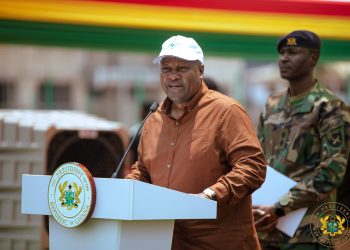
His comments follow a directive by President John Dramani Mahama to key ministers to take urgent steps to cushion Ghanaians from the impact of rising fuel prices, driven by global supply disruptions linked to the ongoing conflict involving Iran, Israel, and the United States.
The directive was issued at an emergency Cabinet meeting held on Thursday, April 9, shortly after the President returned from an official trip to France.
The President has since tasked the Minister for Finance, Cassiel Ato Forson, and the Minister for Energy, John Jinapor, to engage stakeholders in the energy sector to consider the removal of selected taxes and levies on petroleum products.
The proposed intervention is expected to take effect from the next pricing window and run for an initial four-week period, subject to review based on market conditions.
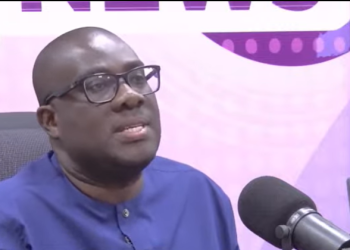
Speaking on Channel One Newsroom on Thursday, Nsiah said while such interventions may offer immediate relief, they must be carefully managed to avoid future fiscal complications if global prices change unexpectedly.
He warned that policy decisions such as tax suspensions or reintroductions should not be based solely on current market conditions, but must factor in possible price movements in both directions.
“I think that is another challenge, because four weeks must be dependent on how the market performs in the coming weeks. Assuming the market performs well, where price escalates higher than what we have currently, reviewing or even implementing or reintroducing this particular tax on the build-up will also cause a lot of problems. So I think we should be minimal in our scenario simulations and also think of what may happen in future.”
He further argued for a more flexible and responsive approach to fuel pricing policy.
“If in future prices decline, we can withdraw them, but if prices continue to increase, you may not be able to withdraw them. And that is why we at CEMSE have always maintained that we need a dual pricing model in the petroleum downstream, where we balance our windfall in the upstream to the shortfall in the downstream and at any time make price quite stable on the Ghanaian market,” he said.