Ghana enjoys abundant sunlight, yet the country faces a persistent challenge not due to a shortage of natural resources, but because there is insufficient urgency to utilise them effectively. The ongoing national discourse on energy has long been dominated by dumsor, a term that signifies frequent power outages, business interruptions, and halted progress. This situation exposes a deeper issue: Ghana’s current energy framework does not align with sustainability, resilience, or long-term development.
The Strategic Energy Challenge
Ghana’s energy predicament has moved beyond technical concerns and now represents a strategic challenge. As climate change impacts economies worldwide and energy security becomes increasingly critical, Ghana remains reliant on thermal power generation. This dependence on costly and unstable fossil fuels has led to greater expenses, environmental strain, and an energy system struggling to meet the nation’s expanding needs.
A Readily Available Solution
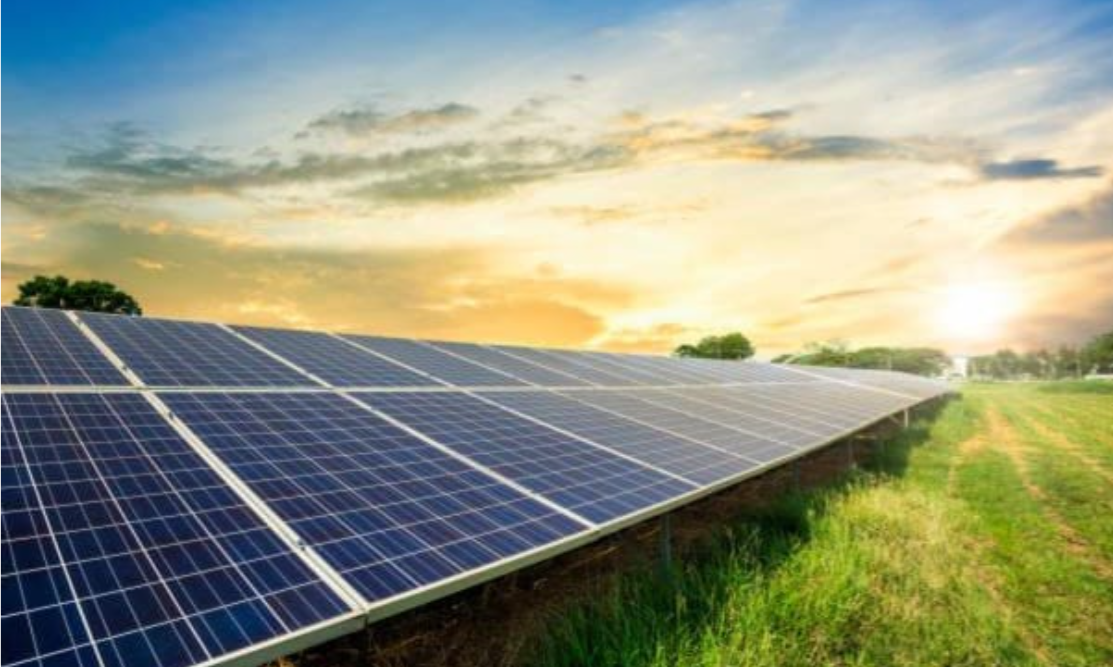
Despite these obstacles, the solution is visible each day in the form of sunlight. Ghana receives substantial solar radiation year-round across most regions, making solar energy not just a minor asset but a fundamental advantage. Solar power offers the possibility of cleaner, more reliable, and more affordable electricity. The crucial issue is why Ghana has not fully exploited this considerable resource.
The Sustainability Case for Solar
The argument for solar energy is strong and multifaceted. Unlike hydroelectric power, which is vulnerable to changes in rainfall, or thermal plants reliant on imported fuels, solar energy provides a stable, locally sourced power solution. It can lower greenhouse gas emissions, enhance air quality, and reduce long-term operating costs. Solar power also benefits public health by decreasing pollution-related illnesses and increases economic competitiveness by stabilising energy prices.
Lessons from the Continent
This discussion is not hypothetical—other African nations have demonstrated success. Egypt, for example, has made rapid progress in solar energy, as shown by the Benban Solar Park. Through clear policy direction, strong government commitment, investor-friendly policies, and integration into the national grid, Egypt has become a leader in renewable energy on the continent.
Ghana has the potential to follow suit, but must regard solar energy as a core element, not just a supplement, in its national energy strategy.
A contradiction exists:
As Ghana promotes electric vehicles (EVs), the electricity powering these vehicles often comes from fossil fuels or diesel generators during outages undermining environmental and economic objectives.
Solar energy can resolve this contradiction. By deliberately developing solar-powered charging infrastructure, Ghana can ensure its transition to electric mobility is truly clean, from production to consumption.
Ghana’s policy commitments already support this direction. The country’s Nationally Determined Contributions (NDCs) under the Paris Agreement pledge significant emissions reductions by 2030. Expanding renewable energy, especially solar, is central to achieving these targets. The NDC framework also emphasises resilience, green jobs, and sustainable growth.
The pathway is clear; what remains is effective action.
Scaling up solar energy in Ghana requires more than isolated pilot projects it demands unified national action. This includes large-scale solar investments, incentives for rooftop solar adoption, grid modernisation, and regulatory policies that attract private investment. It also involves developing local capacity by training technicians, encouraging innovation, and building a domestic solar industry.
The consequences of delay extend beyond finances they affect generations.
Each year without decisive action increases reliance on unsustainable energy sources, exposes Ghana to global fuel price shocks, and widens the gap between Ghana and nations advancing towards clean energy. It also undermines Ghana’s ability to fulfill climate commitments and safeguard the wellbeing of future generations.
Ghana is at a turning point.
One direction perpetuates the cycle of dumsor, rising costs, and reactive policymaking. The other direction leads to energy security, environmental stewardship, and sustainable growth—powered by Ghana’s most dependable natural resource.
Sunlight remains constant. Technology is proven. Policy direction has been established.
What Ghana needs now is decisive leadership to transform solar potential into real power.
By Yussif Salford, FMP, SFP, CIMS-CCE, CPT | Facilities Management Executive | Sustainability Advocate | Cleaning Industry Expert | Workforce Development Champion [email protected]