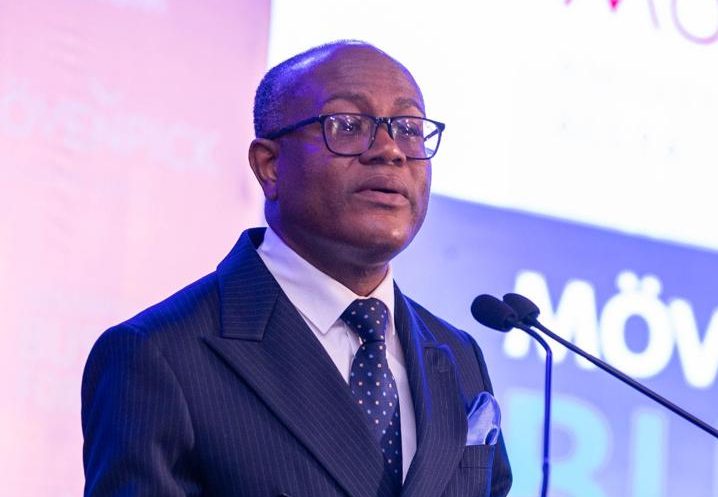
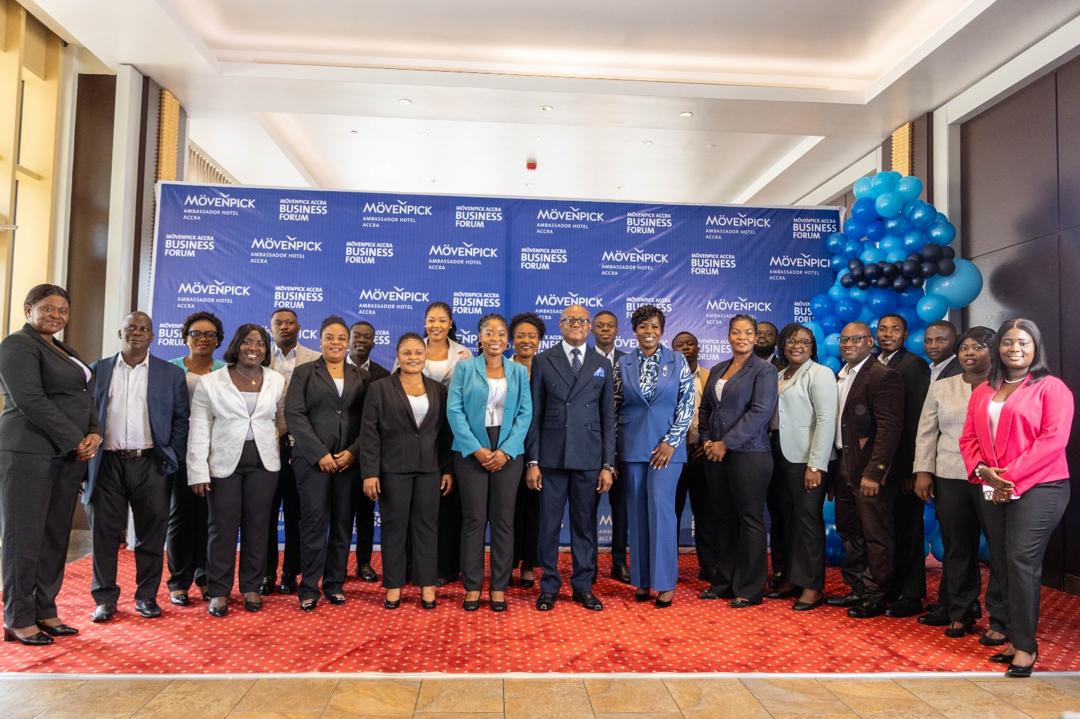
Business leaders and policymakers have called for greater policy clarity, foreign exchange stability, and sustained investor confidence to strengthen Ghana’s business environment at the Mövenpick Accra Business Forum held on Monday, March 30.
Held under the theme “Building Confidence in Ghana’s Business Climate: Taxation, Forex & Investment Outlook,” the forum brought together key public and private sector players to discuss taxation, currency volatility, and investment conditions.
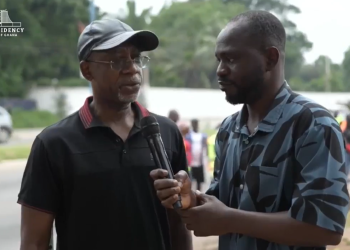
Speaking on the sidelines, the General Manager of Mövenpick Ambassador Hotel Accra, Isaac Okpoti Adjei, stressed the need for closer collaboration between businesses and policymakers to drive reforms that support economic stability and growth.
“The business community needs clarity on government policies, especially on taxation and foreign exchange. It is vital that we create a stable and predictable environment for businesses to thrive,” he said.
Mr. Adjei noted that unpredictability in taxes and exchange rates continues to disrupt planning and deter long-term investment, adding that investor confidence remains the key driver of economic growth, job creation, and sectoral development.
He said fluctuations in confidence directly affect investment flows, particularly in sectors such as hospitality, tourism, and real estate.
He added that the forum forms part of Mövenpick’s broader effort to create a platform for dialogue that can shape meaningful policy reforms, with plans to make it an annual event.
The Chief Executive Officer of the Ghana Investment Promotion Centre, Simon Madjie, reaffirmed Ghana’s commitment to attracting both domestic and foreign investment and maintaining a business-friendly environment.
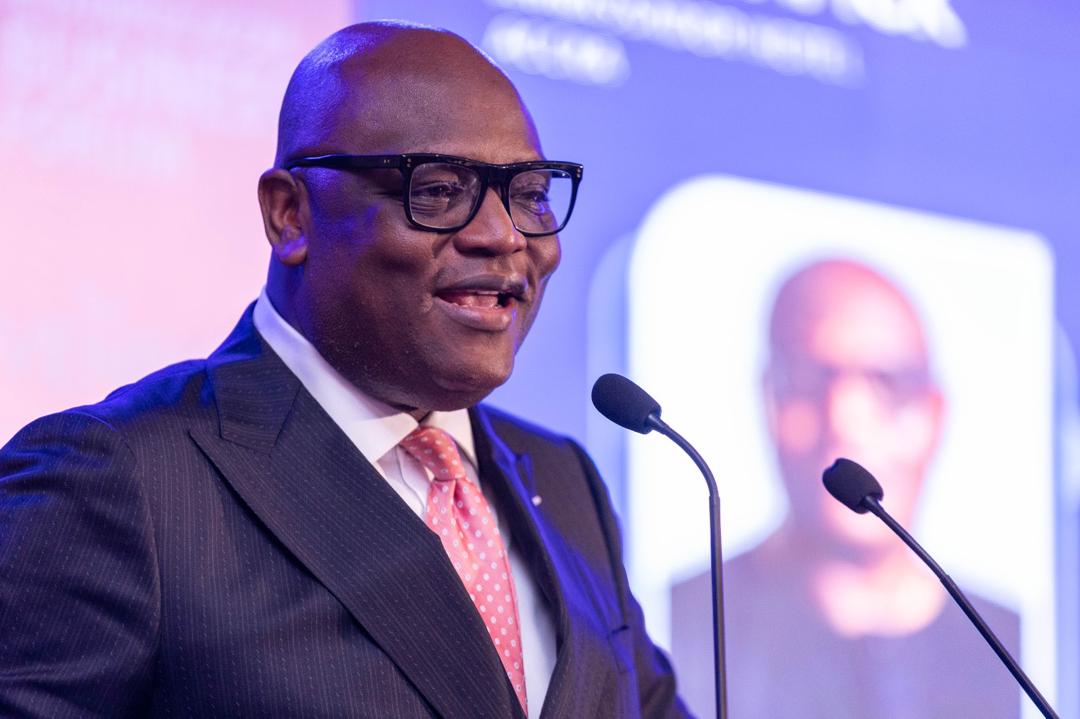 “Ghana is open for business, and we expect this forum to drive stronger collaborations between local and international investors, in line with the government’s growth agenda,” he said.
Mr. Madjie disclosed that about $2.6 billion has been committed across 255 projects, with strong inflows into sectors such as petroleum and free zones, reflecting growing investor confidence. He cited planned investments of up to $2 billion for the drilling of 20 wells in the petroleum sector as a sign of increasing trust in Ghana’s economic direction.
He emphasised that the government is pursuing a targeted investment strategy focused on high-impact sectors rather than a broad approach, while assuring investors of continued stability and support for reinvestment.
 “The message is clear; do not withdraw your capital. Stability has returned, and investors can expect meaningful returns when they commit to our economy,” he said.
Participants at the forum underscored the importance of sustained dialogue and collaboration in shaping policies that promote economic resilience, expressing optimism that such engagements will lead to tangible reforms and a more conducive business climate in Ghana.