



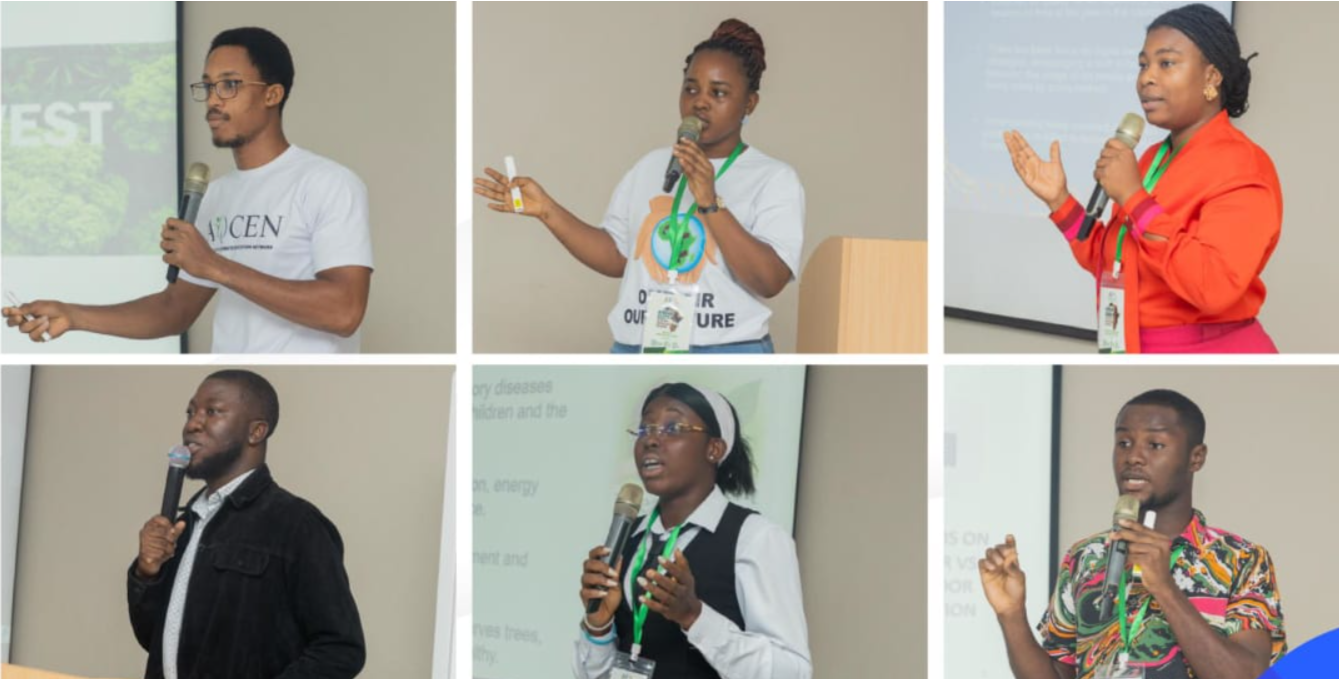
With air pollution gaining ground as one of Ghana’s biggest concerns, efforts by the Air Quality (AQ) Ambassadors programme under the African School on Air Quality and Pollution Prevention at the Kwame Nkrumah University of Science and Technology (KNUST) to improve awareness and offer solutions have been applauded.
The AQ Ambassadors programme’s community-based approach involves the engagement of the residents of various communities, particularly those plagued by air pollution, while also researching and pushing for the implementation of measures to address the issue.
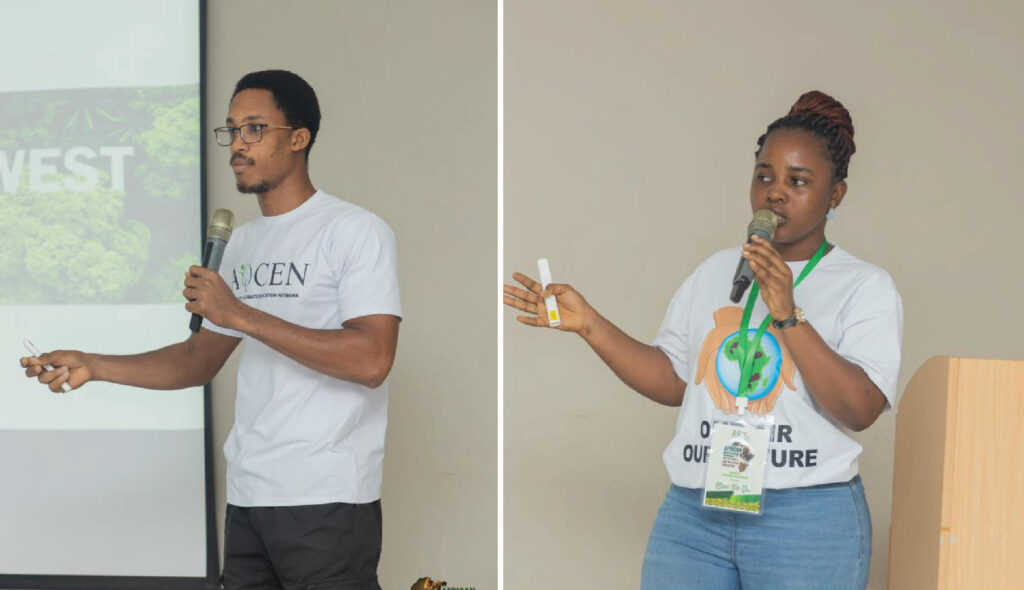
The programme also involves the training of student ambassadors and establishing Clean Air Clubs with the aim of ensuring the challenges and potential dire effects of air pollution are recognised and promptly dealt with.
On-field studies are also considered central to the objectives of the programme, as they provide a first-hand look at the way communities and their residents cope daily with the various pollutants, some of which they interact with regularly.
One stuch study explored Jamestown in the capital Accra and the health risks associated with traditional fish smoking, which is a very popular activity there.
In a bid to push for better, cleaner cooking methods, the group promoted the Ahotor stove, among other solutions, to residents. ‘
Other activities undertaken in the project include school outreach programmes, community campaigns, stakeholder engagements, and advocacy online, which have often proved to be very effective.
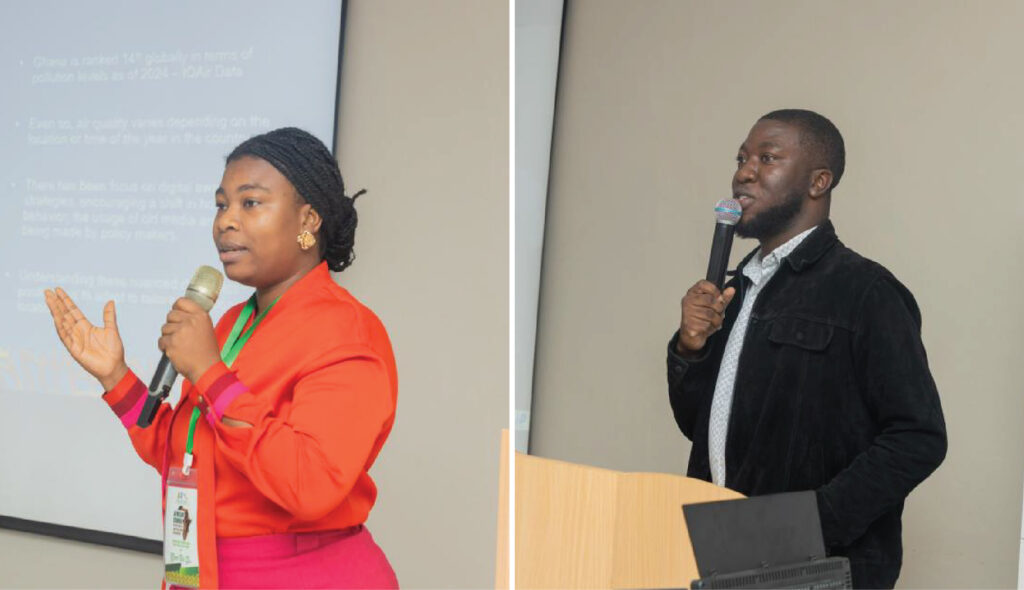
Over time, the project has trained student ambassadors, established advocacy clubs, produced educational materials, and engaged over 500 community members through various platforms.
There have also been various collaborations with institutions such as the Environmental Protection Agency and the Council for Scientific and Industrial Research, which have been key to enabling consideration in national policies.
As a result, people in these communities are becoming increasingly aware of air pollution, the sources, health risks and what they need to do and demand from their leaders to ensure they breathe cleaner air.
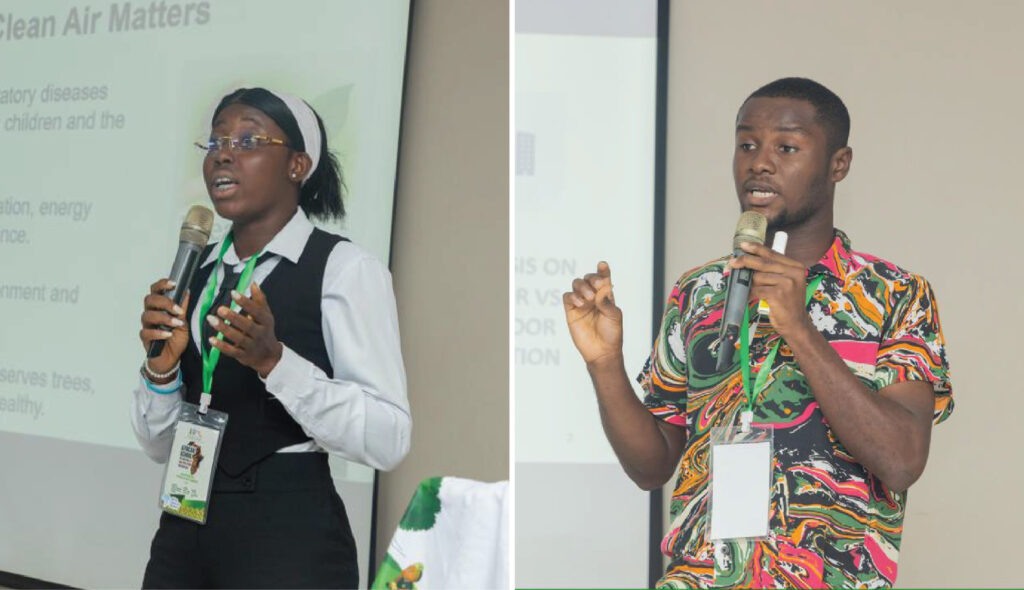
The conversations on air pollution have taken a national turn, with stakeholders engaging in policy discussions with an increase in the demand for the use of cleaner technologies nationally.
These outcomes are expected to drive long-term improvements in public health and environmental sustainability.
The AQ Ambassadors initiative was inspired by the urgent need to bridge the gap between scientific knowledge and community action.
The project team’s personal commitment to improving public health and environmental outcomes is evident in their hands-on engagement and innovative strategies.
This story was a collaboration with New Narratives. Funding was provided by the Clean Air Fund which had no say in the story’s content.










