The Chamber of Oil Marketing Companies (COMAC) is calling for a comprehensive review of taxes on petroleum products, as government moves to ease fuel price pressures.
The call follows a directive from Cabinet to the Ministers of Finance and Energy to ensure a reduction in pump prices in the next pricing window through the temporary suspension of selected taxes and margins.
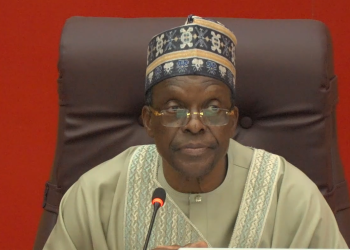
Chief Executive Officer of the Chamber of Oil Marketing Companies (COMAC), Dr. Riverson Oppong, in an interview with Citi Business News indicated that the petroleum pricing structure is weighed down by multiple taxes on fuel products.
He urged government to undertake broad stakeholder engagement to review existing taxes and margins within the pricing framework.
“Taking away taxes and levies and margins would require holistic review of the petroleum pricing for Ghana. Because today we have so many margins. I mean, people think about only the UPPF, Bost margin, PDM, I mean, name it, many of them.
“And at the back of the screen today, I cannot say go and take this off, go and take this off. But we can have a meeting and discuss that,” Dr. Riverson Oppong remarked.
“I can just guess what the minister of finance will do. Probably take away the extra GH¢1 that they brought for now, for the four weeks. And for the margins, I really don’t know what margin they are going to take off. Is it the BOST margin? Is it the fuel marking margin? Is it UPPF? I mean, out of my head, I don’t know what margin the government is going to look at. And to look at reviewing margin is not 3 days event. And if they want to do that, they should call for stakeholder engagement immediately,” he subsequently added.
On the tendency of governments to rely on petroleum taxes, Dr. Riverson Oppong noted that about 25% of the pump price is made up of taxes, levies and margins to the state, a situation he says places pressure on oil marketing companies (OMCs).
He suggested a review of the GH¢1 fuel levy as part of broader efforts to rationalize taxes within Ghana’s petroleum pricing structure.
“In the previous era, every four months, we saw changes and review of tariffs for electricity. After bringing the dumsor levy, haven’t we seen tariffs of electricity going up when even the forex is doing very well, which is one of the major components on it.
“So it is about telling us what is really happening. And the sustainability aspect, again, is for me, it is not about if the money is needed or not needed. It is about also thinking about the industry, because 25 percent of fuel price at the pump is for tax and levies and margins to the government, for either services or for tax-related issues. But if you ask me, what should I take off? I am not able to understand. I can just tell you that the additional GH¢1 that you brought, that is the first thing that comes to my mind. Review it. Let us bring sunset clauses onto this scenario. Other than that, now people are attacking other margins. Let’s take it off. Let’s take it off. We need to sit down as an industry and holistically review our pricing regime, because I am beginning to feel that the oil marketing companies are just working for the government,” he stated.