Professor Yaw Asare Afrane, a Medical Entomologist at the Department of Medical Microbiology, University of Ghana Medical School, has called for the reintroduction of strict environmental sanitation enforcement to help curb mosquito-borne diseases in the country.
He urged Metropolitan, Municipal and District Assemblies to intensify sanitation inspections and ensure that stagnant water, choked drains, discarded tyres, cans and other mosquito breeding grounds around homes were eliminated.
Prof. Afrane made the call when he delivered an inaugural lecture at the University of Ghana on Thursday, May 28, on the topic: “Fighting the Bite: Human Activities and the Changing Landscape of Mosquito-Borne Diseases in Africa.”
Prof Afrane recalled that in the past, local authorities enforced sanitation regulations through environmental health officers, popularly known in some communities as “Town Council,” who inspected homes and sanctioned residents who failed to maintain clean surroundings.
“If we could bring this back, that would be wonderful, to get rid of mosquitoes that are being bred in our homes,” he said.
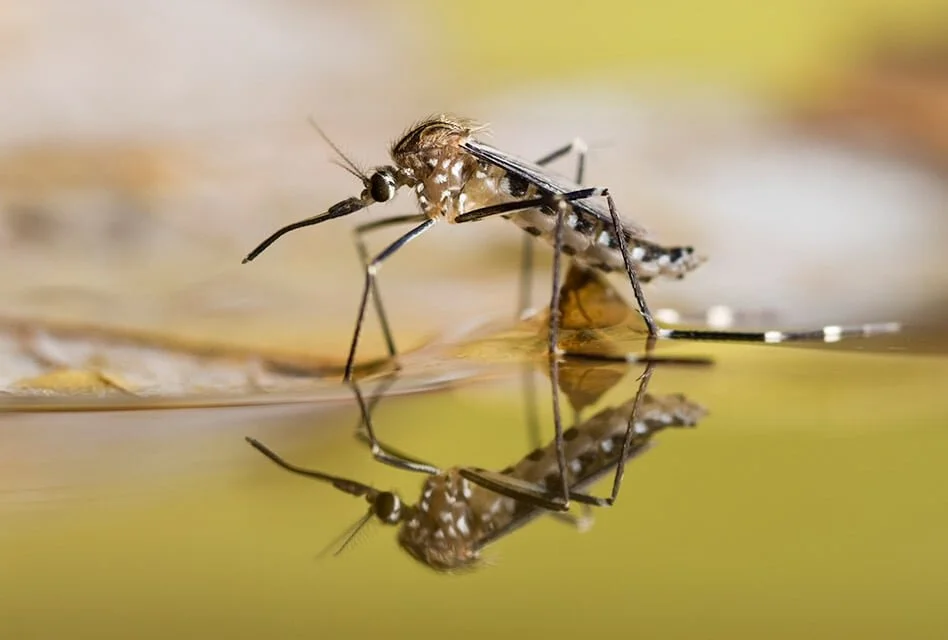
He noted that mosquitoes responsible for transmitting diseases such as malaria, dengue fever and lymphatic filariasis were largely breeding within human settlements due to poor sanitation practices and unplanned urban development.
“The mosquitoes that are breeding around us and biting us every day are not coming from the forest. They are bred within our own areas, around our homes, and sometimes within the house itself,” Prof Afrane warned.
He noted that many mosquito species bred in stagnant water collected in puddles, trenches, drainage ditches, water containers and discarded household items.
He cited the World Health Organisation 2025 report where 5.3 million Ghanaians were diagnosed with malaria in 2024. The figure excludes unreported cases treated outside hospitals.
Prof Afrane, who has played a critical role in Ghana’s National Malaria Elimination Programme, said malaria continued to pose a major public health threat globally, with an estimated 70 deaths occurring every hour worldwide. He also highlighted other mosquito-borne diseases, including lymphatic filariasis, which normally caused elephantiasis, dengue fever, yellow fever, chikungunya, Rift Valley fever and West Nile virus.
Prof Afrane explained that lymphatic filariasis was caused by a parasite known scientifically as Wuchereria bancrofti, which is transmitted through mosquito bites and could lead to severe swelling of limbs.
He commended Ghana’s Neglected Tropical Diseases Programme for reducing endemic districts from 118 to only eight through sustained interventions.
The entomologist, who has spent more than two decades researching mosquitoes and malaria transmission across Africa, said environmental changes and climate conditions significantly influenced mosquito populations and disease spread. Drawing from his doctoral research in the highlands of Western Kenya, he said deforestation and swamp reclamation increased temperatures and created breeding habitats for mosquitoes in previously colder regions where malaria transmission had been low.
The destruction of forests resulted in approximately two degrees Celsius increase in local temperatures, which was sufficient to enhance mosquito survival and malaria transmission. Prof Afrane also noted that mosquitoes in Ghana were increasingly developing resistance to insecticides used in treated bed nets, aerosol sprays and agricultural pesticides.
That he attributed to the overuse of insecticides in farming and household mosquito control, warning that such activity was enabling mosquitoes to develop genetic mutations and enzymes that neutralised the chemicals intended to kill them.
“…when you spray your room, you may think the mosquitoes are dead, but some only get knocked down and later recover to bite again,” he explained.
He also warned about the emergence of invasive mosquito species in Ghana, including Anopheles stephensi, originally from Asia, and Aedes albopictus, a species associated with dengue transmission. He said mosquitoes were also capable of travelling long distances through wind currents and international trade routes, increasing the risk of spreading diseases across countries.
Despite the challenges, Prof Afrane said there was hope in the fight against mosquito-borne diseases through improved environmental management, scientific innovation and stronger public health interventions.
He outlined emerging mosquito control strategies such as spatial repellents, which repel mosquitoes from homes, and drugs that make human blood toxic to mosquitoes after biting, as well as sterilising male mosquitoes to prevent reproduction and reduce mosquito populations over time.
He called for greater collaboration between urban planners, environmental health officers, researchers and communities to address the root causes of mosquito breeding, adding that fighting mosquito-borne diseases required collective responsibility and sustained public education to encourage communities to maintain clean environments.
The Professor also called for the training of more experts in entomology and vector control to strengthen Ghana’s capacity to combat mosquito-borne diseases.
Chairing the lecture, Professor Nana Aba Appiah Amfo, Vice-Chancellor of the University of Ghana, said mosquito-borne diseases were not simply natural occurrences but were influenced by urban farming, mining, deforestation, environmental pollution and poor drainage systems.
She urged the public to support scientific research and take personal responsibility for maintaining clean environments, adding that mosquito control should not be left to scientists and government agencies alone.
Read Also:
Change your ways now or face the law — Mahama Ayariga warns LGBTQ individuals